

Egypt’s financial stability index rises to 0.48 in March – CBE
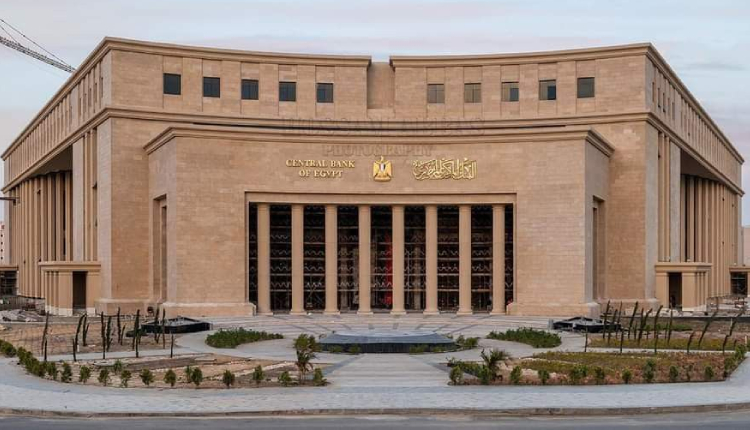
Egypt’s financial system remained stable in early 2025, supported by a stronger banking sector, higher foreign reserves, and improved investor sentiment, the Central Bank of Egypt (CBE) said in its March 2025 Financial Stability Report on Tuesday.
The Financial Stability Index rose to 0.48 as of March 2025, reflecting stronger performance in key components — the banking sector, the money markets, the domestic macroeconomics, and global economy — compared with the previous year.
According to the report, Egypt’s net international reserves rose to $47.8 billion in March, enough to cover short-term external debt and more than six months of commodity imports. The increase was driven by an increase in foreign currency inflows from tourism, remittances, non-oil exports, and long-term foreign direct investment. The CBE said foreign exchange financing to the local market remained stable, helping reduce exposure to external shocks.
The report highlighted continued coordination between monetary and fiscal policies, which contributed to credit growth and supported economic and financial stability. Non-performing loans declined to 2.2 per cent of total loans, while coverage ratios improved to 87.2 per cent.
The banking sector maintained solid performance supported by the CBE’s prudential policies, which helped strengthen financial soundness indicators beyond regulatory and Basel requirements.
The sector’s capital adequacy ratio rose to 18.3 per cent in March 2025, well above the 12.5 per cent minimum set by the central bank. Liquidity remained strong, with local and foreign currency ratios at 37.1 per cent and 73.7 per cent, exceeding regulatory thresholds of 20 per cent and 25 per cent, respectively.
Profitability also improved, with the return on average assets rising to 2.6 per cent and the return on average equity increasing to 39 per cent in fiscal year 2024.
The CBE noted that investor confidence in the domestic debt market strengthened, with foreign holdings of local Treasury bills rising to 44.7 per cent in March 2025. Meanwhile, the stock market saw continued gains, with the EGX30 index up 19.5 per cent year-on-year.
The report also pointed to the resilience of non-bank financial institutions, whose total assets rose to 22.7 per cent of the financial system’s total, representing 8.8 per cent of nominal gross domestic product (GDP).
Stress tests conducted by the CBE showed the financial system remained resilient to liquidity and market shocks under various economic and geopolitical scenarios. The central bank also emphasised its ongoing efforts to promote financial inclusion and digital transformation, noting that 74.5 per cent of adults now have access to financial services.
In 2025, the CBE launched a comprehensive macroprudential policy framework to strengthen financial oversight, enhance transparency, and safeguard stability through better coordination among regulatory authorities.
The banking system continues to perform strongly and remains well-capitalised, liquid, and capable of supporting sustainable economic growth, the CBE said.
Attribution: Amwal Al Ghad English