

Egypt’s FRA grants first licence for futures trading on local securities
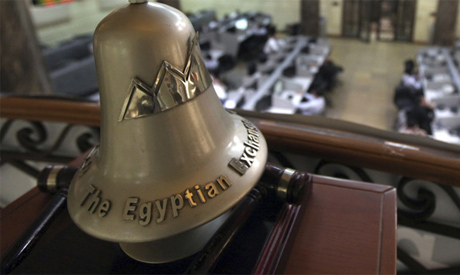
Egypt’s Financial Regulatory Authority (FRA) on Sunday granted the Egyptian Exchange (EGX) its first licence to operate futures exchanges on derivative contracts linked to local securities, a landmark step in developing the country’s capital markets.
The move supports the FRA’s strategy to strengthen market infrastructure, diversify investment instruments, and enhance risk management.
The derivatives market will be launched in four stages: futures on the EGX30 index in March, followed by EGX70 futures, futures on individual stocks, and options on stocks and indices, FRA Chairman Mohamed Farid said. Futures contracts are standardised agreements to buy or sell securities at a predetermined price and date, providing tools for hedging, boosting liquidity, and deepening the market.
Seven brokerage firms have applied for licences to operate in futures trading, signalling strong domestic investor interest. The clearing house will enforce risk management measures, including margin requirements, guarantee contributions, and allocations from the Investor Protection Fund.
Futures contracts are expected to be a key development in deepening Egypt’s capital market, enhancing liquidity, and providing investors with advanced financial tools to hedge against price fluctuations. They will also improve pricing efficiency and increase overall market depth.
Trading futures in Egypt will offer several advantages, including risk hedging, the potential to profit from price movements, and the use of leverage. The contracts will also provide investors with better portfolio management options.
EGX Chairman Islam Azzam said close coordination with the FRA will ensure investor protection, market stability, and sustainable growth.
For example, an investor expecting a significant rise in real estate prices could use a futures contract to agree to purchase an apartment one year from now at a fixed price of 2 million Egyptian pounds. The investor pays an initial margin of 200,000 pounds to secure the contract, with the remaining amount due at the execution date. If property prices rise, the investor profits before completing the purchase; if prices fall, the investor is obliged to complete the transaction, realising a loss.
Attribution: Amwal Al Ghad English
Subediting: Y.Yasser