

Profile: Ahmed Rostom, Egypt’s Minister of Planning, Economic Development
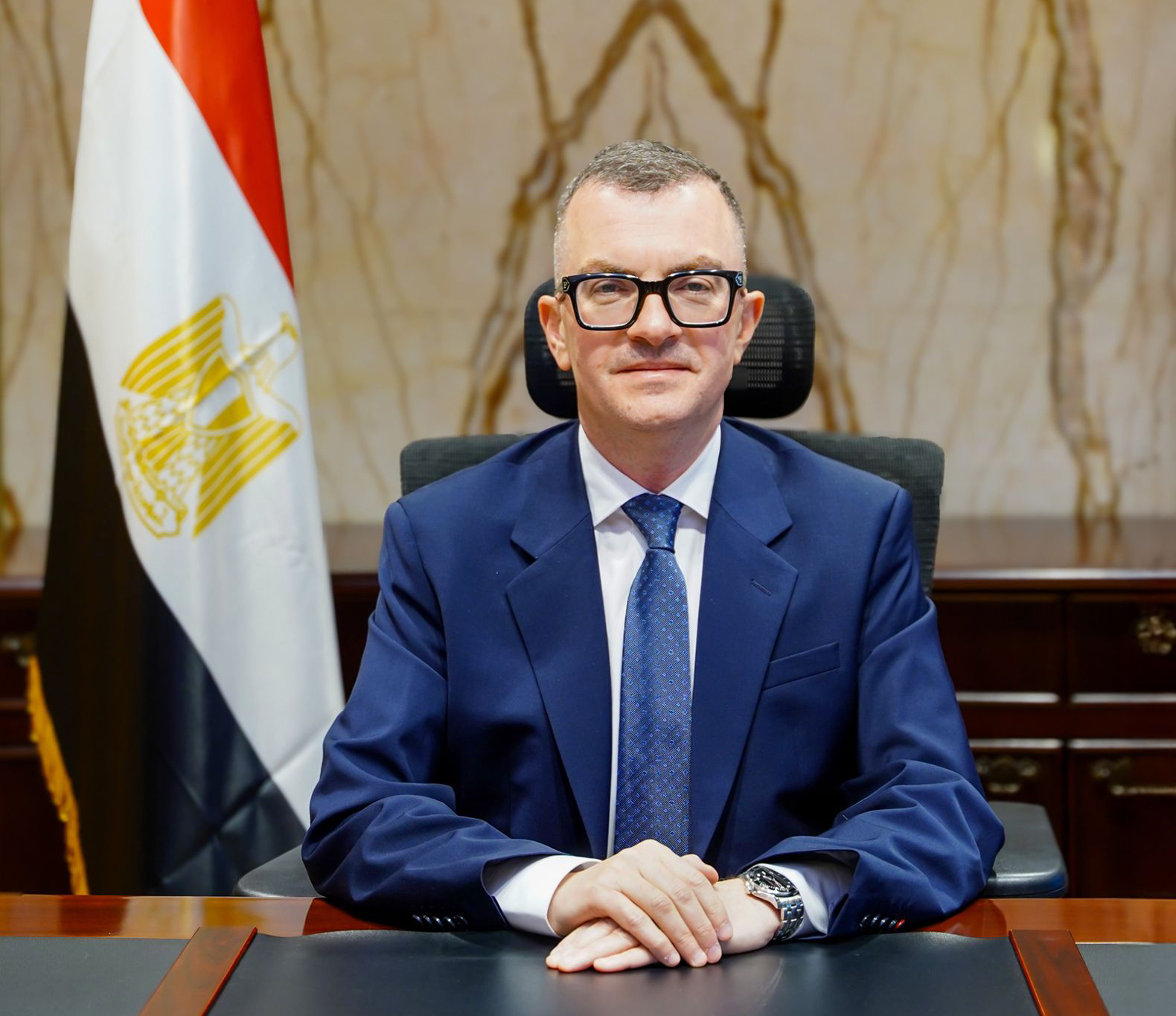
Ahmed Rostom, recently appointed Egypt’s Minister of Planning and Economic Development, brings nearly 25 years of experience spanning the World Bank and government roles, offering a reform-focused and finance-driven background to the post, the Cabinet said Wednesday.
Rostom’s career bridges international development finance and domestic economic policymaking.
At the World Bank, where he served as Senior Financial Sector Specialist, Rostom led strategic operations across East Africa and South Asia and managed financing portfolios worth several billion dollars. His work included spearheading a $400 million infrastructure development and financing programme in the COMESA region and helping establish East Africa’s first green investment fund and M300 Fund with investments exceeding $500 million.
He also developed financing mechanisms tailored to emerging market needs, including green finance, Islamic finance instruments and funding frameworks to expand support for small and medium-sized enterprises.
Rostom previously held the post of Assistant Minister of Investment from 2007 to 2009, during which he played a central role in implementing Egypt’s Financial Sector Reform Programme. He contributed to the establishment of the Financial Regulatory Authority (FRA) and was part of the national team that secured Egypt’s removal from the list of non-cooperative countries in combating money laundering, through his work with the Anti-Money Laundering Unit at the Central Bank of Egypt.
In later assignments, he worked with the World Bank on designing state ownership and exit policies, as well as broader economic empowerment strategies. He has also been involved in shaping post-crisis recovery programmes, including during the COVID-19 pandemic.
Rostom holds a PhD in economics from George Washington University (2015), a master’s degree from the University of York (2008), and a bachelor’s degree from Cairo University’s Faculty of Economics and Political Science (1998). Over his career, he has received 11 World Bank excellence awards for designing development programmes aimed at delivering sustainable economic impact.
His appointment places a technocrat with deep expertise in financial sector reform, green finance and crisis recovery at the centre of Egypt’s long-term economic planning.
Attribution: Amwal Al Ghad English