

Egypt seeks to expand auto industry with Nissan talks
Egypt is pressing ahead with efforts to revive its industrial base and expand exports, holding talks with Nissan Motor Co. about plans to increase local vehicle production and use the country as a gateway to African markets.
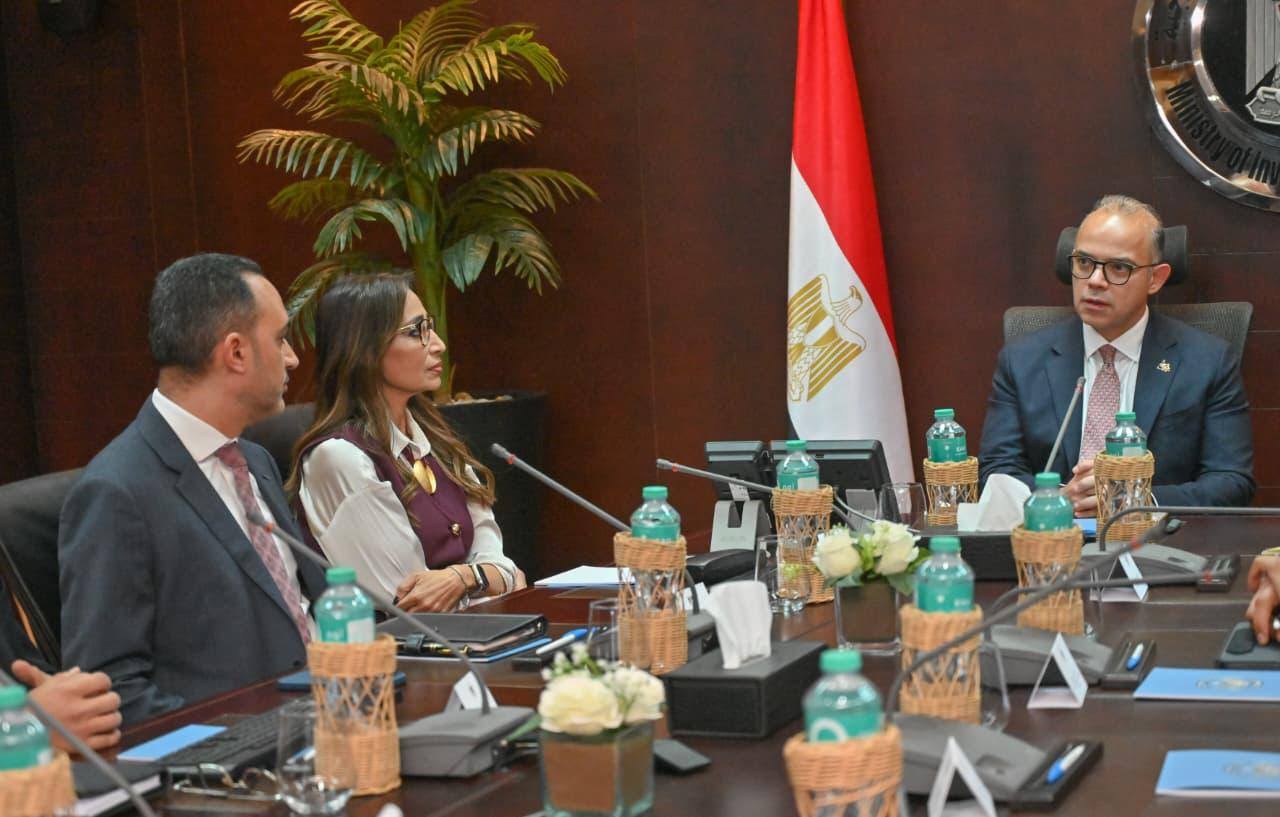
The discussions, led by Investment and Foreign Trade Minister Mohamed Farid, focused on the automaker’s expansion plans in Egypt and the government’s push to improve the business climate by simplifying licensing procedures, accelerating approvals, and reducing logistics costs, according to a ministry statement released Wednesday.
The talks are part of a broader effort to attract export-oriented manufacturing, deepen local supply chains and raise the value added of domestic industry.
Farid said the government is committed to positioning Egypt as a “distinguished production and export platform,” emphasising the country’s strategic location and network of trade agreements, while advanced Japanese automotive expertise could help local production meet global standards.
For multinational manufacturers, Egypt offers a compelling combination: proximity to fast-growing African markets, preferential trade arrangements, and a government increasingly focused on industrial policy and export-led growth.
Nissan, which has operated in Egypt for more than two decades, has exported more than 25,000 vehicles to markets across Africa and is planning to assemble a third model at its fully owned plant in the country, said Mohamed Abdel Samad, managing director of Nissan Africa. The company also aims to expand exports under the African Continental Free Trade Area (AfCFTA), which is designed to boost intra-African trade.
For Egypt, the stakes extend beyond a single automaker. Policymakers see the automotive sector as a catalyst for job creation, technology transfer, and export growth, particularly if manufacturers increase the share of locally produced components.
The talks reflect Egypt’s wider ambition to integrate more fully into regional and global value chains and to shift from consumption-led growth toward a production-driven economy — a transition is seen as essential for long-term stability.
Attribution: Amwal Al Ghad English