

Egypt records strong growth in tourism, non-oil manufacturing in FY 2024/2025
Egypt recorded robust growth across key economic sectors in the fourth quarter and fiscal year 2024/2025, led by tourism, non-oil manufacturing, and communications and information technology.
According to the ministry of planning Quarterly GDP Note, tourism activity was the fastest-growing sector, expanding by 19.31 per cent in the fourth quarter and 17.26 per cent over the fiscal year. Investments in tourism infrastructure and expanded hotel capacity enabled the country to attract more than 17 million visitors during the year.
Non-oil manufacturing grew by 18.81 per cent in the fourth quarter and 14.68 per cent across the fiscal year, recovering from a contraction of 5.22 per cent the previous year. The sector benefited from streamlined customs procedures, increased industrial investments, and emerged as the largest contributor to GDP growth. Communications and information technology activity also rose by 14.64 per cent in the quarter and 13.76 per cent over the year. Other activities such as financial intermediation, insurance, electricity, and construction also reported solid growth.
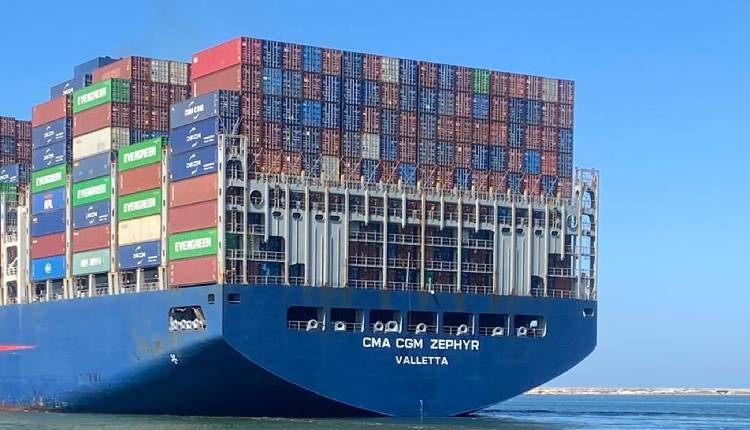
Meanwhile, certain sectors faced sharp declines. The Suez Canal contracted by 5.5 per cent in the fourth quarter and 52 per cent for the fiscal year, hit by regional geopolitical tensions that reduced vessel traffic and revenues despite mitigation measures by the Suez Canal Authority. Extractive industries also shrank, though the pace of contraction eased in the fourth quarter to 7.4 per cent as some field development resumed.
On the expenditure side, investment and inventories contributed 4.74 percentage points to growth in the fourth quarter. Private investment rose to 47.5 per cent of total implemented investment, its highest share in five years, while public investment dropped to 43.3 per cent, reflecting the government’s drive to empower the private sector.
In external trade, exports at constant prices climbed 23.7 per cent to Egyptian pounds 1.7 trillion, while imports grew 29.2 per cent to Egyptian pounds 2.3 trillion. Export growth was driven by finished goods, particularly pharmaceuticals, garments, and metal products, while petroleum product exports surged by 46.5 per cent. Imports were led by intermediate goods, including car parts and copper, and by higher fuel imports, though wheat and capital goods imports declined.
This performance reflects Egypt’s strategy to strengthen tradable, export-oriented sectors supported by infrastructure investments.
Attribution: Amwal Al Ghad English
Subediting: Y.Yasser