

Egypt announces austerity, social support measures amid global energy volatility
Egypt announced a package of temporary economic and social measures on Tuesday to cushion the impact of surging global energy prices and volatile financial markets following escalating military tensions in the region.
“The government is taking the lead by immediately implementing spending cuts across ministries and state agencies,” the Cabinet said in a statement. “This reflects its commitment to share the burden of the current challenges while ensuring that social considerations remain central to all policies.”
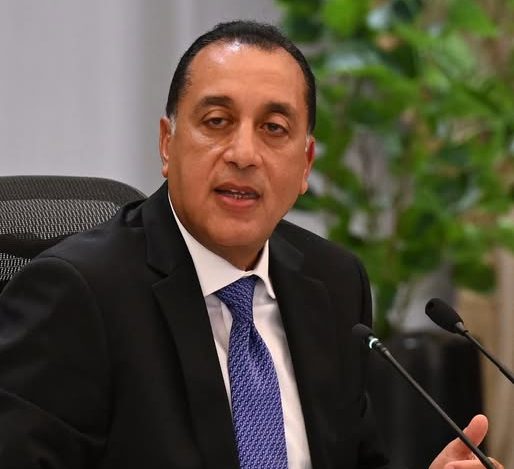
Prime Minister Moustafa Madbouly ordered daily monitoring of global market developments, particularly energy prices and international capital flows, to enable authorities to take pre-emptive steps to protect the national economy and maintain domestic market stability, the statement added.
The measures aim to secure energy supplies, support foreign currency inflows, contain government spending and expand social protection for vulnerable households while global markets remain uncertain.
Under the plan, the government will closely track petroleum import schedules and existing supply contracts while relying on previously arranged hedging agreements that cover part of Egypt’s fuel imports to limit the impact of global price increases. Authorities are also coordinating with international energy partners to ensure steady supplies and boost domestic production.
The government is also working with the Central Bank of Egypt (CBE) to strengthen foreign-currency inflows, including accelerating financing from international institutions, expanding the state asset-sale programme within the upcoming months, and attracting foreign direct investment.
The government’s crisis committee said the measures were “temporary” steps designed to strengthen the economy’s resilience and ensure the continued availability of essential goods and petroleum products until global trends become clearer.
“These measures are temporary and designed to address exceptional volatility in global energy markets,” the government added. “It will continue monitoring international developments on a daily basis and stand ready to review the steps if global energy prices improve, with the aim of maintaining stability in domestic markets and easing pressure on households and productive sectors.”
Spending Cuts and Energy-Saving Measures
As part of the plan, the government will begin by implementing spending cuts across state institutions, postponing non-urgent expenditures, and limiting travel, conferences and promotional spending. Investment spending will also be reviewed, with priority given to projects nearing completion.
Authorities will introduce energy-saving measures across government entities and certain energy-intensive activities, including reviewing operational patterns for services that rely heavily on diesel, fuel oil, and gasoline to reduce consumption without disrupting essential public services.
Provincial governors have also been instructed to step up monitoring of electricity consumption, including reviewing street lighting schedules and ensuring advertising billboards and commercial signage comply with energy-saving regulations.
The Cabinet said the government would study referring price manipulators to military courts to prevent businesses from exploiting the current circumstances to raise prices, following directives from President Abdel Fattah El-Sisi.
Adjustments to Fuel Prices
Despite absorbing a large share of the cost of energy subsidies, the government said the sharp rise in global prices had made it difficult to fully offset increases, prompting a decision to adjust prices for some petroleum products, according to an earlier statement from the petroleum ministry.
Social Support and Wage Increases
To mitigate social impacts, the government will extend increased cash support for beneficiaries of the Takaful and Karama welfare programmes and low-income households with ration cards for an additional two months.
Authorities also plan to announce an early package of wage increases for public sector employees starting in fiscal year 2026/2027, including raising the minimum wage to help preserve purchasing power amid global economic pressures.
The government said it would continue providing subsidised essential food commodities and maintain balanced energy pricing policies that take social considerations into account, while continuing to absorb part of the gap between production costs and domestic selling prices.
The authorities reaffirmed their commitment to economic reforms, including tax facilitation measures, reducing customs clearance times, improving the business environment, and accelerating the state asset offering programme to support growth and exports.
Egypt’s monetary policy remains focused on reducing inflation in line with targets set by the Central Bank of Egypt (CBE), while maintaining a flexible exchange rate that reflects market conditions and ensures the availability of production inputs and essential goods.
The Cabinet said the measures would help the country navigate exceptional global conditions while preserving economic stability and minimising the burden on citizens and businesses.
Attribution: Amwal Al Ghad English