

Egypt encourages private investment in waste-to-energy projects
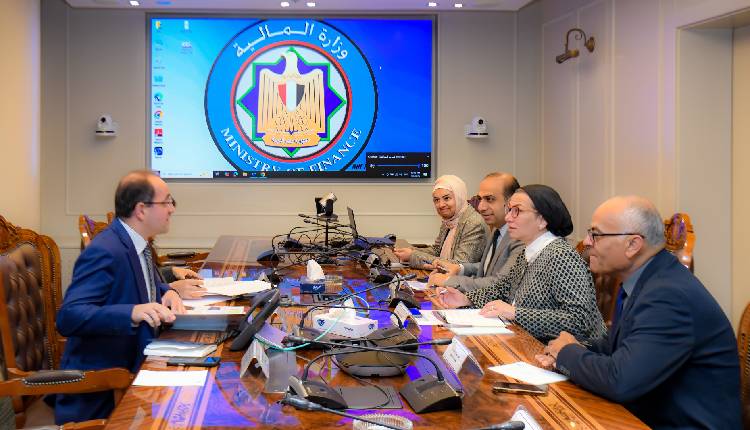
Egypt’s Minister of Finance Ahmed Kouchouk and Minister of Environment Yasmine Fouad reaffirmed their commitment to encouraging private sector investment in waste-to-energy projects, as per a joint press statement on Tuesday.
This initiative supports a broad economic vision to boost private sector involvement in economic and developmental activities, aiding Egypt’s efforts to attract foreign direct investment, especially in transitioning to a green economy, the statement said.
Kouchouk stated that the government is adopting competitive mechanisms to attract more investment in these projects, whether through expanding public-private partnerships or leveraging the Public Contracting Law.
This approach supports the government’s efforts to utilise waste as an alternative to natural gas for electricity generation, allowing the state to allocate natural gas resources to projects with higher added value.
He said both ministries are working together to maximise project benefits, set priorities, and establish implementation mechanisms. They are also seeking financial resources for project implementation.
Fouad emphasised the urgent need to revise waste-to-energy conversion tariffs to attract more investments, offer greater benefits to operating companies, and expand their scope of work to attract new companies.
She explained that three types of waste are converted into energy: organic waste, sludge, and landfill gases. This process helps reduce the volume of waste in sanitary landfills, thereby decreasing the land area required for waste disposal.
She also noted that waste-to-energy projects do not require large landfill sites, as a single burial cell is sufficient. This, in turn, prevents waste accumulation in various governorates, which can lead to environmental hazards.
Fouad further stated that the decision to revise the waste-to-energy tariff is part of a broader package of regulations and incentives designed to encourage private sector investment in these projects. The government has allocated land in eight governorates for waste-to-energy initiatives, with plans for gradual implementation over three to four years.
She highlighted the government’s efforts to promote investment in the waste-to-energy sector by increasing tariff prices and offering incentives to attract private investors, the statement added.
Investing in this sector benefits Egypt by supporting international obligations, achieving national contributions, and boosting foreign investments in waste collection, transportation, and recycling.
Attribution: Amwal Al Ghad English
Subediting: M. S. Salama