

Egypt extends port operations to holidays to prevent trade backlogs
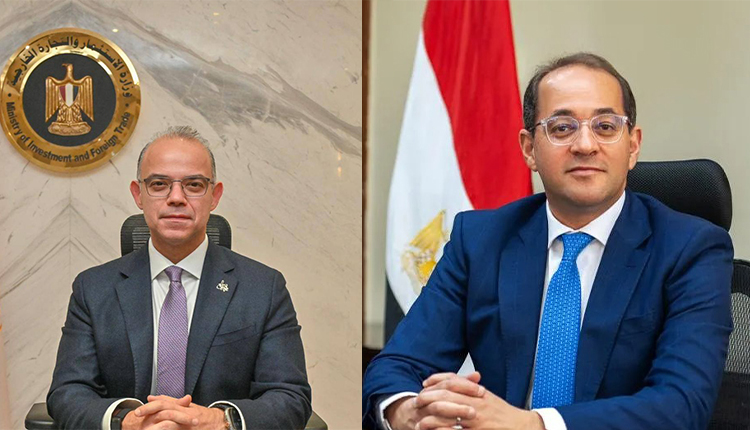
Egypt will keep its ports and customs operations running at full capacity throughout the year — including official holidays — as authorities push to accelerate cargo clearance and lower trade costs, the ministries of finance and investment said Wednesday.
In a joint statement, the ministries said the move follows directives from President Abdel Fattah El-Sisi and Prime Minister Moustafa Madbouly to ensure uninterrupted port activity and faster release of goods.
The decision exempts only four days annually: the Night of Eid al-Fitr and the first day of Eid al-Fitr, the Day of Arafah, and the first day of Eid al-Adha. All other days will see full operational capacity across ports, customs outlets, regulatory bodies, and associated banking services.
Authorities aim to bring average customs clearance times down to two days, a target the two ministries say would ease working capital pressures on businesses, reduce storage and handling costs, and accelerate inventory turnover for manufacturers. Export procedures will continue around the clock, while import inspections will extend until 6 p.m. daily to prevent cargo backlogs.
Investment and Foreign Trade Minister Mohamed Farid said the government will build on previous reforms to streamline procedures for exporters and importers, deepen digitalisation and improve coordination with the private sector.
“The current phase requires the highest levels of institutional discipline, rapid response, and coordinated teamwork,” the minister said. “That reflects our commitment to our national responsibilities, strengthens confidence among investors, exporters, and importers, and reassures the public that the reform and development process remains on track — particularly as we work to meet citizens’ needs during the holy month of Ramadan. We have taken all necessary measures to ensure the efficient supply of essential goods and food products and the swift clearance of their imports.”
Finance Minister Ahmed Kouchouk said banks will support the initiative by enabling electronic payment of customs fees 24 hours a day and providing integrated financial services tied to clearance procedures.
Kouchouk pointed out that the full cooperation between the ministries and the banks sets an example of effective institutional coordination. “Achieving our goal of a two-day customs clearance will lower working capital costs, increase inventory turnover in factories, and enhance the competitiveness of Egypt’s exports,” he said.
The measures are part of broader efforts to strengthen Egypt’s export competitiveness, deepen domestic manufacturing, and position the country as a regional hub for trade and logistics, as policymakers seek to stabilise supply chains and support growth.
Attribution: Amwal Al Ghad English