

Egypt opens fourth crossing axis across Suez Canal to connect Sinai
New Suez Canal crossings to ease travel, boost economic, strategic links
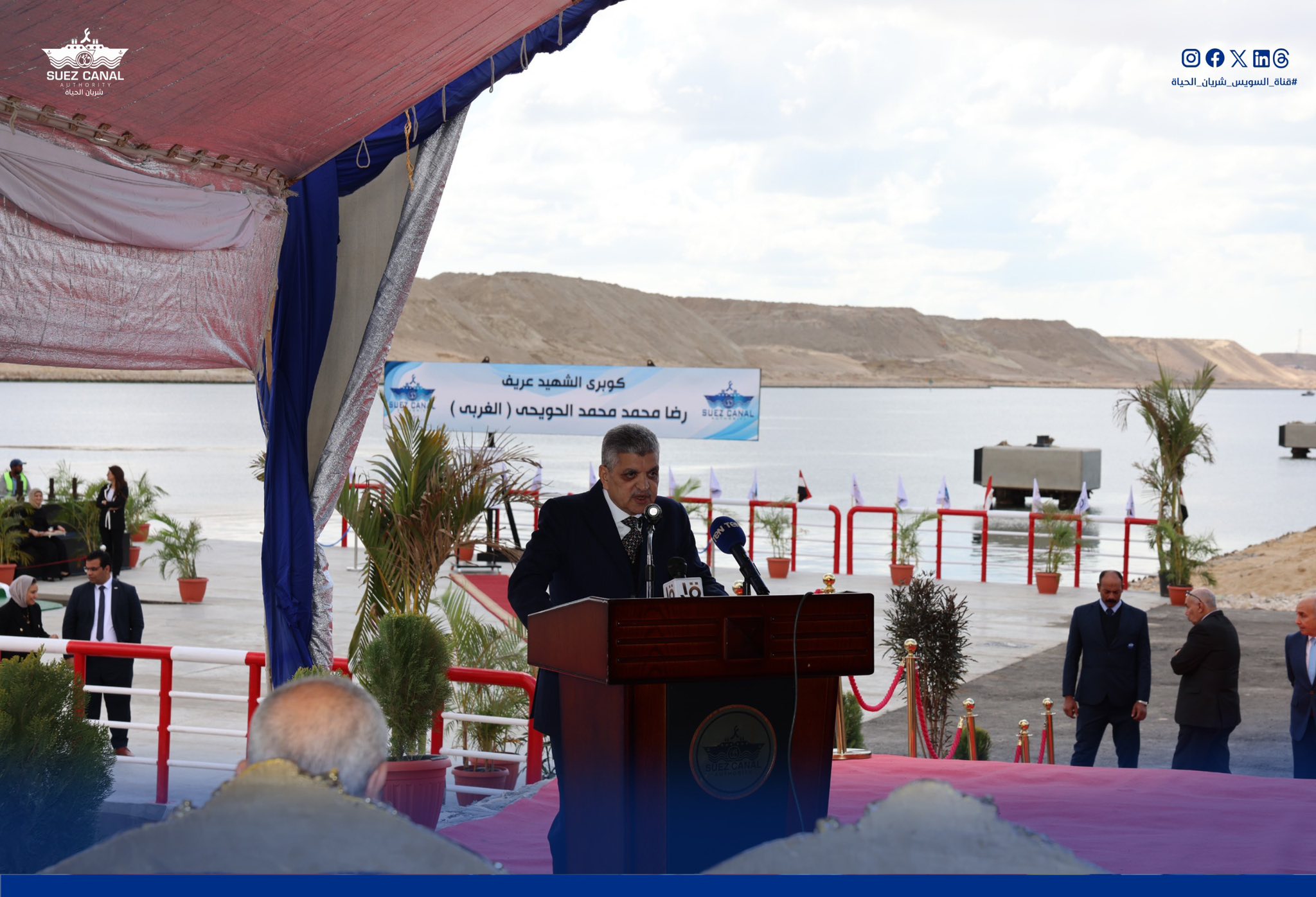
Egypt has inaugurated two new floating bridges across the Suez Canal in Ismailia, expanding crossings to and from Sinai and easing transport for citizens and commercial traffic, the Suez Canal Authority (SCA) said on Monday.
The project, launched in line with directives from President Abdel Fattah El-Sisi, marks the fourth crossing axis in the canal’s central sector and links the eastern and western banks through twin floating bridges at kilometre 88.600 of the waterway.
The bridges were unveiled by SCA Chairman Osama Rabie alongside local and military officials. The bridges are named after Sergeant Reda Mohamed Mohamed El-Hewaihy, an Egyptian soldier killed in 2015 while defending a checkpoint in North Sinai.
The new axis integrates with three existing crossings in the area, Rabie said.
Designed to reduce transit times and provide alternative routes across the canal, the western bridge connects the banks of the original channel while the eastern bridge spans the parallel new waterway. Each structure consists of three floating pontoons measuring 255 metres in length and 15 metres in width, with the full axis incorporating about 3,000 tons of steel.
The metal structures were designed by Port Said Shipyard and certified by French classification society Bureau Veritas. Construction involved Timsah Shipbuilding Company, affiliated with the canal authority, in cooperation with Alexandria Shipyard, Arab Contractors, and Gazala Steel Fabrication (GSF), among other national firms.
Engineering works, including concrete anchorages and access roads, were carried out under the supervision of the Suez Canal Authority’s engineering department, with participation from military engineering units and private contractors.
Rabie said expanding crossings to and from Sinai is a strategic priority that supports economic development, strengthens security requirements and facilitates citizens’ movement through an integrated network of ferries, tunnels, and bridges.
Egypt has increased the number of crossings linking Sinai with the Nile Valley to 26 from just 10 in 2014, including ferry routes, tunnels and floating bridges, he added.
Ismailia Governor Nabil Hasaballah said the expansion would encourage investment, create jobs, and support comprehensive development in Sinai.
The opening coincided with the anniversary of the Tenth of Ramadan, commemorating Egypt’s 1973 victory over Israel —a decisive war that reclaimed the Sinai Peninsula, bolstered national pride, and reshaped the country’s role in Middle East diplomacy.
Attribution: Amwal Al Ghad English