

Egypt ranks as 3rd World Bank contributor in MENA – report
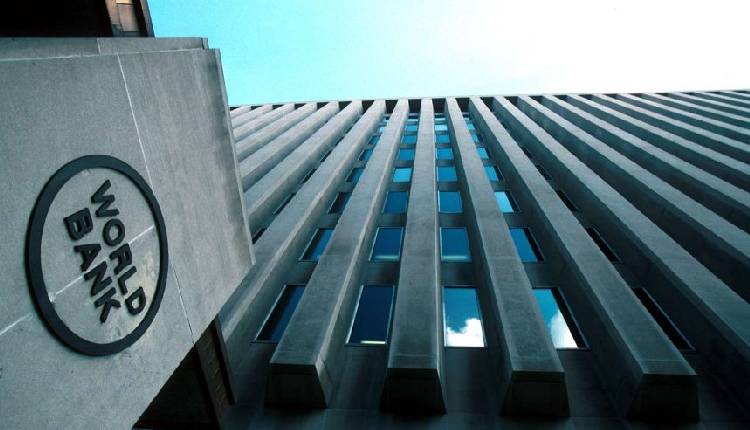
Egypt has received more than $27.5bn in financing across 201 projects from the World Bank since 1959, making it the third-largest contributor in the Middle East and North Africa, the institution said in a recent report cited by the Egyptian Cabinet.
The report, issued as part of the 2023–2027 Country Partnership Framework, said projects have focused on infrastructure, human capital development in health and education, economic reforms and private sector growth.
According to the World Bank, joint programmes have provided health and food services to 6.3m people, improved education access for 3.6m students, delivered better sanitation to 1.1m people, and expanded access to safe transport for 30.3m. Around 8m people in Upper Egypt benefited from upgraded infrastructure, while 750,000 gained access to financial services.
Social protection schemes have also been central, with Takaful and Karama cash transfer programme supporting 5.2m households — around 17m individuals — by June 2025, 75 per cent of whom are women.
The report noted progress on health initiatives, including the presidential campaign to eliminate hepatitis C, and highlighted renewable energy cooperation, where IFC and MIGA support for Egypt’s feed-in tariff policy opened the market to private investment and enabled the 1,465 MW Benban Solar Park.
The current Egypt–World Bank portfolio includes 13 active projects worth $6.5bn.
Attribution: Amwal Al Ghad English