

Egypt signs 5.6 GW renewable, storage deals with private sector
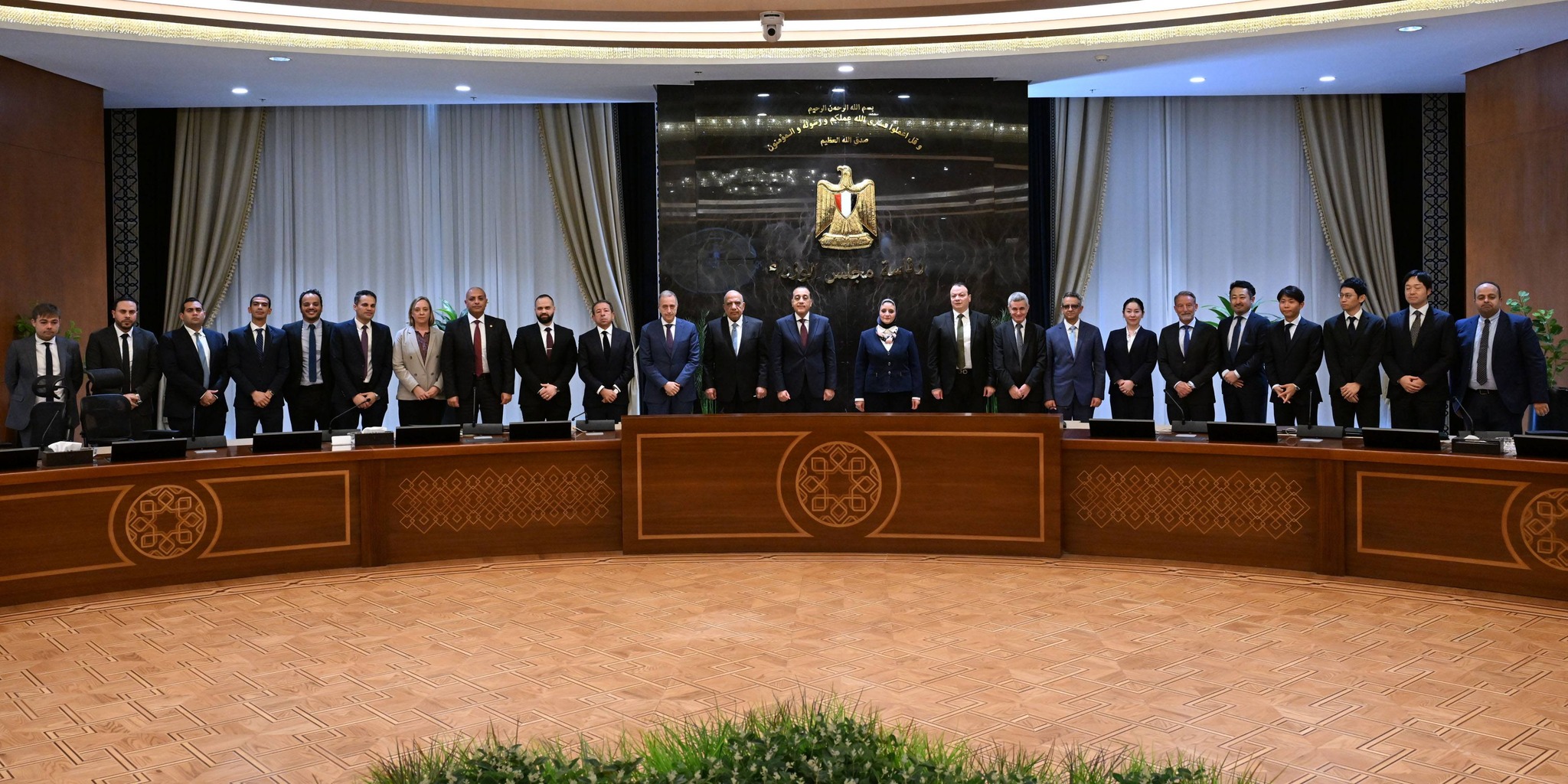
Egypt signed a package of power purchase and land allocation agreements on Wednesday for renewable energy and battery storage projects with a combined capacity of 5,620 megawatts.
Prime Minister Moustafa Madbouly oversaw the signings at the Cabinet headquarters in the New Capital, in the presence of Electricity Minister Mahmoud Esmat and private sector partners.
The first two deals cover land usufruct rights and power purchase agreements (PPAs) for a 900-MW wind farm in Ras Shokeir on the Red Sea coast. The project will be developed by a consortium of Orascom Construction, France’s Engie, and Japan’s Eurus Energy, part of the Toyota Group, through a special-purpose vehicle, Shokeir Wind Energy.
Separately, Egypt also signed power purchase agreements with Kemet for Industries for a cluster of projects, including a 2,000-MW solar plant in Nagaa Hammadi, a 2,000-MWh standalone battery storage facility at the same site, and two solar projects in El Owainat with a combined capacity of 720 MW.
Esmat said the agreements are part of Egypt’s integrated and sustainable energy strategy, which targets raising the share of renewables in the power mix to more than 42 per cent by 2030 and 65 per cent by 2040.
“These projects align with presidential directives to expand renewable energy capacity and deploy battery storage systems, aiming to cut reliance on fossil fuels, strengthen grid stability and security, ensure uninterrupted power supply, and maximise the use of renewable resources,” he said.
Egypt has “vast renewable energy resources, especially solar and wind,” Esmat said, adding that the government is taking steps to attract investment, encourage private-sector participation and maximise their use.
The minister added: “This is part of the energy transition programme aimed at reducing reliance on fossil fuels, cutting carbon emissions and expanding clean energy use.
“Renewable energy projects also support the national economy, particularly as the government works to localise electrical equipment manufacturing, transfer modern technology and increase the local component.”
Esmat stressed the importance of the projects in boosting renewable energy use, cutting carbon emissions and diversifying energy sources. “They align with the state’s strategy to increase the share of renewables in the electricity mix and fully leverage Egypt’s natural energy resources,” he said.
On energy storage, he said: “The introduction of battery storage systems, widely used in renewable-based grids worldwide, aims to maximise energy use and stabilise the national electricity grid, especially during peak hours. The private sector is a key partner in these projects, and the ministry is facilitating its participation to attract more local and foreign investment.”
Attribution: Amwal Al Ghad English