

Egypt unveils desalination, recycling projects amid water security push
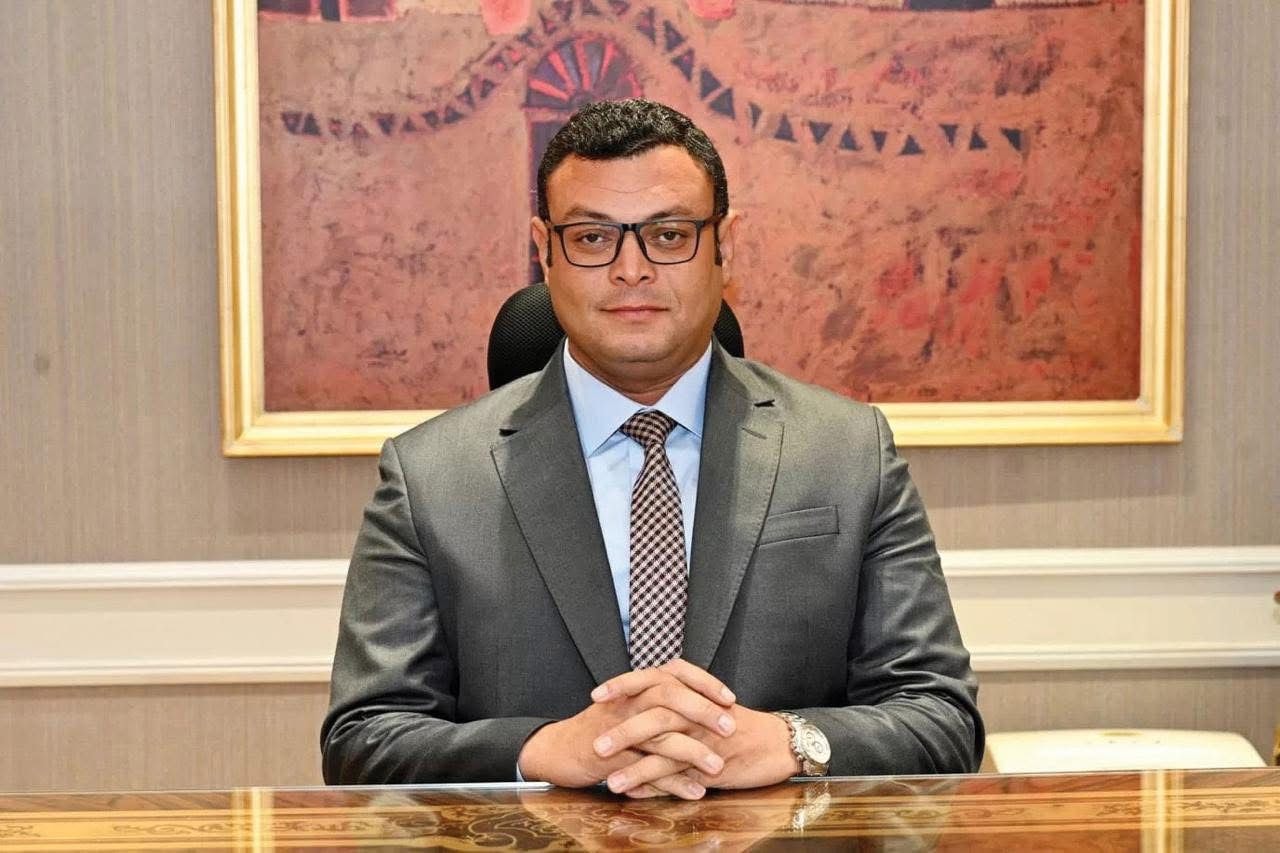
Egypt is rolling out a sweeping water security strategy, expanding desalination, wastewater treatment, and conservation projects to safeguard supplies for future generations, the ministry of housing said on Wednesday.
Housing Minister Sherif El-Sherbini said desalination capacity has jumped from 84,000 cubic metres a day in 2014 to 1.42 million currently, with 126 plants now operating. Eleven new facilities under construction will raise capacity to 1.73 million cubic metres, with a long-term plan targeting 9.8 million cubic metres daily by 2050.
The state is also ramping up wastewater recycling. Some 612 treatment plants have been completed with a combined design capacity of 18.9 million cubic metres per day, while 183 are under construction and 127 more planned through 2030.
Projects such as the Bahr Al-Baqar, Al-Mahsama, and New Delta drainage plants already supply 14.1 million cubic metres of treated water daily for irrigation, expected to rise to 41.2 million in the coming years, the ministry said.
Water conservation is another focus. Since 2014, Egypt has cut drinking water losses from 30.5 per cent to 25.7 per cent and is targeting 20 per cent by 2030, with millions of smart and prepaid meters and water-saving devices installed nationwide.
The government is also seeking private-sector partnerships under its state ownership policy, including new wastewater plants and expansions in October City, Giza, Beheira and Ismailia.
El-Sherbini said the drive reflects President Abdel Fattah El-Sisi’s directives to ensure long-term water sustainability, boost agricultural and industrial development, and secure supplies for future generations.
Attribution: Amwal Al Ghad English