

Egypt’s Cabinet approves MSME law, offers path for informal firms
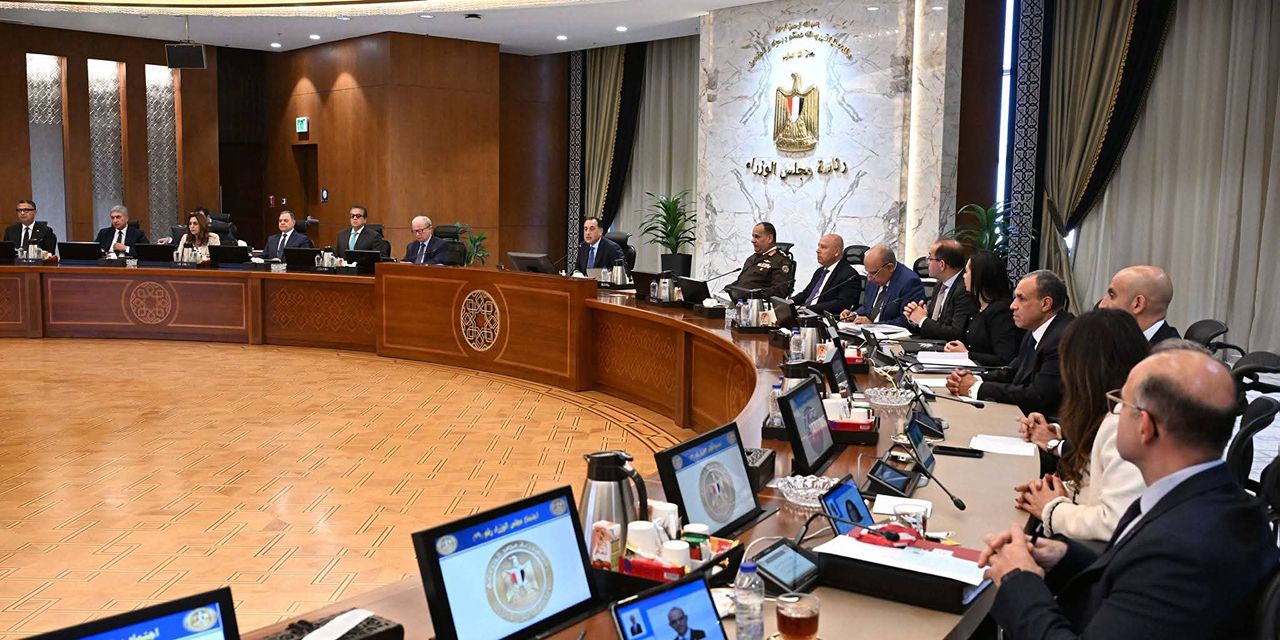
Egypt’s Cabinet approved on Tuesday amendments to the law governing micro, small, and medium-sized enterprises (MSMEs), updating turnover and capital thresholds and creating a framework to integrate informal businesses into the formal economy.
The changes to Law No. 152 of 2020 redefine medium-sized enterprises as those generating annual turnover of 100 million to 400 million Egyptian pounds. Newly-established industrial firms with paid-up capital between 10 million and 30 million pounds, and non-industrial ventures with capital of 6 million to 10 million pounds, will also be classified as medium-sized.
Small enterprises are now defined as businesses with annual turnover of 2 million to less than 100 million pounds. The category includes newly-established industrial projects with paid-up capital ranging from 100,000 pounds to less than 10 million pounds, and non-industrial projects with capital between 100,000 pounds and less than 6 million pounds.
Micro enterprises are defined as firms with annual turnover below 2 million pounds or newly-established projects with paid-up capital of less than 100,000 pounds.
The amendments empower the competent minister to raise or lower the minimum and maximum turnover and capital thresholds by up to 50 per cent, based on a recommendation from the Micro, Small and Medium Enterprise Development Agency (MSMEDA), in coordination with the Central Bank of Egypt (CBE) and subject to approval by the Financial Regulatory Authority (FRA). Additional criteria for defining enterprises may also be introduced in response to economic conditions and sector-specific considerations.
Businesses operating in the informal economy without licences at the time the law comes into force will be granted up to one year to apply for temporary licences to regularise their status. The minister may extend the application window upon the agency’s proposal.
Prime Minister Moustafa Madbouly is set to amend the executive regulations of the MSME law within three months of the law taking effect. Until then, existing implementing regulations and rules will remain in force insofar as they align with the new provisions.
The government said the amendments reflect its continued focus on the MSME sector as a driver of economic growth and employment.
Attribution: Amwal Al Ghad English