

Egypt’s govt adjusts fuel prices, bears most costs to keep economy running – PM
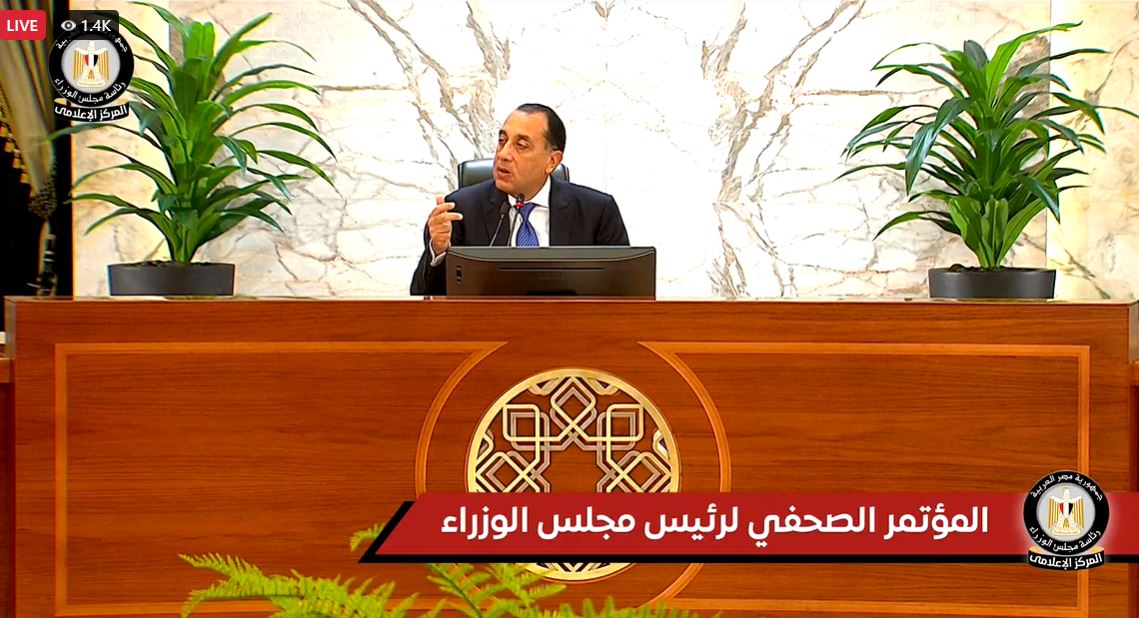
Egypt raised domestic fuel prices after global oil markets spiked amid escalating regional tensions, but the government is shouldering a large share of the increase to shield households and industries from the full impact, its prime minister said Tuesday.
Speaking at a press briefing, Moustafa Madbouly said the conflict had sent crude prices soaring from $68 a barrel to a peak of $120 before easing to roughly $92–$93. The sudden jump, he noted, created immediate pressures on electricity, industrial production, and household energy consumption.
“To maintain the continuity of electricity and energy supplies for homes and factories, we had to take pre-emptive measures,” Mr. Madbouly said. “The conflict has created extraordinary volatility in energy markets, and we cannot risk halting production or disrupting daily life.”
The government faced a stark choice: absorb the entire increase and risk substantial fiscal losses, or adjust domestic fuel prices while still covering a significant portion of the cost. Egypt chose the latter, ensuring that consumers and businesses feel only a fraction of the global price shock.
During the last fuel price adjustment in October, when oil traded at $61.3 a barrel, the government committed to keeping prices stable for a year. “Today, at $93 a barrel, we are absorbing a substantial portion of the difference,” Madbouly said. “We are not passing the full burden onto citizens.”
A Central Crisis Committee, chaired by the prime minister and including ministers, the central bank governor, and security officials, has been meeting continuously to monitor developments. “We are holding consecutive meetings daily to assess the situation, track supply chains, and make sure that energy continues flowing to industry and households without disruption,” Madbouly said.
He stressed that maintaining industrial activity remained a top priority. “Manufacturers and investors have asked us to ensure production does not stop, because any halt would have long-term negative effects on the economy,” he said.
Egypt’s proactive approach highlights the challenge of balancing market realities with social and economic stability, ensuring that households, factories, and energy-intensive sectors continue operating despite global disruptions and the uncertainty created by regional conflicts.
Attribution: Amwal Al Ghad English