

Egypt’s Petroleum Min. approves Cooperation Petroleum, Assiut Refinery FY2026/2027 budget
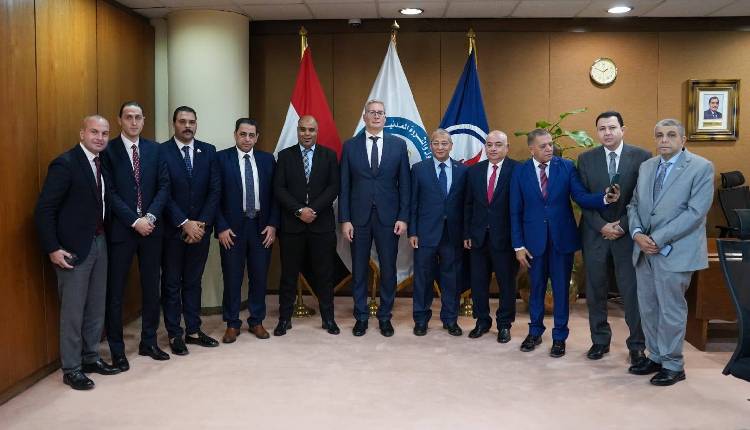
Egypt’s Minister of Petroleum Karim Badawi approved on Tuesday a 1.2 billion Egyptian pounds investment budget for the Cooperation Petroleum Company (CPC) for the fiscal year 2026/2027. During the meeting, Badawi also endorsed the investment plan of Assiut Oil Refining Company for the same year.
According to a cabinet statement, all CPC fuel stations nationwide are equipped with the ATG monitoring system to strengthen oversight of fuel distribution. The company’s sales volumes of 95 and 92 gallons of gasoline rose between July and December 2025, while consumption of 80 gallons of gasoline declined. Marine fuel sales volumes increased by 205 per cent, with sales value climbing to $19.5 million from $9 million, marking a 217 per cent year-on-year rise.
The statement added that CPC expanded the production and marketing of high-value-added products, particularly synthetic oils, and entered new export markets in several Arab and African countries.
Regarding Assiut Oil Refining Company (ASORC), its 2026/2027 investment plan targets refining 4.2 million tons of crude to maximise petroleum product output. The Assiut refinery covered 100 per cent of Upper Egypt’s gasoline needs across all grades during the first half of fiscal year 2025/2026.
The statement highlighted that the budget focuses on completing ongoing replacement and renovation projects, strengthening occupational health, safety, and environmental protection systems, upgrading existing production units, and launching new projects to boost output. These include an atmospheric distillation unit, a gas recovery unit to produce butane, infrastructure and storage upgrades, a 10 megawatt solar power plant, and enhanced digital control and automated measurement systems.
It added that during the first half of the current fiscal year, the refinery completed maintenance and efficiency upgrades of its first distillation unit in record time and implemented, for the first time in Egypt and North Africa, an innovative plan to ensure the sustainable operation of its high octane gasoline complex. Cooling tower maintenance improved efficiency and increased butane production, while expanded safety training and continuous inspections strengthened operational performance.
According to the statement, using hydrogen instead of mazut as fuel for boilers and furnaces saved 2,700 tons of mazut and reduced carbon emissions despite the refinery’s higher refining capacity.
Attribution: Amwal Al Ghad English