

Egypt’s PM explains reasons behind abolishing Public Business Sector Ministry
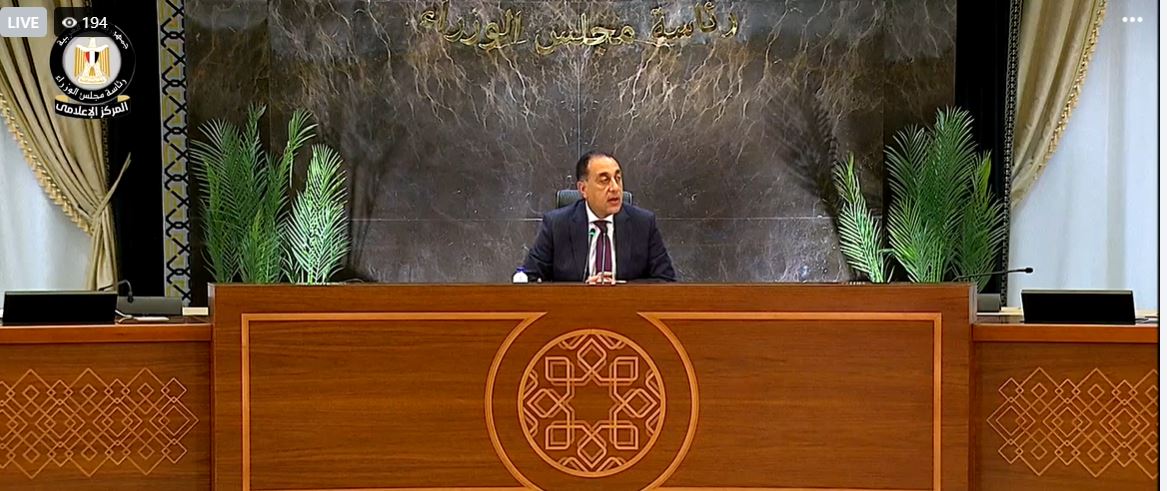
Egypt’s government has abolished the Ministry of Public Business Sector as part of a broader plan to restructure state-owned companies and maximise the value of public assets, Prime Minister Moustafa Madbouly said on Thursday.
Speaking at a weekly press briefing, Madbouly said the decision followed a comprehensive evaluation of the ministry’s role over recent years. He said the move is intended to create a more integrated and professional approach to managing state companies, rather than a random divestment or infringement on workers’ rights.
“The ministry was originally established as a transitional framework to manage a limited number of major state-owned companies,” Madbouly said. “Current economic conditions require a new management model with direct coordination across all economic portfolios under a single supervisory authority.”
He noted that the ministry’s affiliated companies — six major corporations and around 60 subsidiaries — hold assets estimated at hundreds of billions of pounds, potentially exceeding one trillion, making professional management and maximisation of returns essential.
Madbouly outlined several potential scenarios for managing these companies during the transitional period, including transferring some to the Sovereign Fund of Egypt (TSFE) for restructuring and efficiency improvements, attaching others to specialised ministries based on the nature of their activities, or maintaining direct supervision under the Deputy Prime Minister for Economic Affairs until a comprehensive reassessment is completed.
He said detailed technical and financial studies are underway to determine the best approach for each company, ensuring maximum economic returns without compromising social considerations.
The prime minister emphasised that the move does not imply immediate sales or closures, and that workers’ rights remain fully protected. “The goal is to convert public assets into more efficient and profitable entities while maintaining their social role,” he said, citing the textiles and spinning sector, where over 60 billion pounds have been invested to improve performance and generate real economic returns.
The decision forms part of a wider strategy to reform economic authorities, implement the State Ownership Policy, and increase private sector participation, with the aim of boosting efficiency, financial stability, and sustainable growth. Madbouly said the ultimate goal is to build a more professional model for managing state assets that balances economic returns with social considerations, in line with Egypt’s development vision through 2030 and beyond.
Attribution: Amwal Al Ghad English