

Egypt’s PM reviews contingency plans as Mideast escalation roils global markets
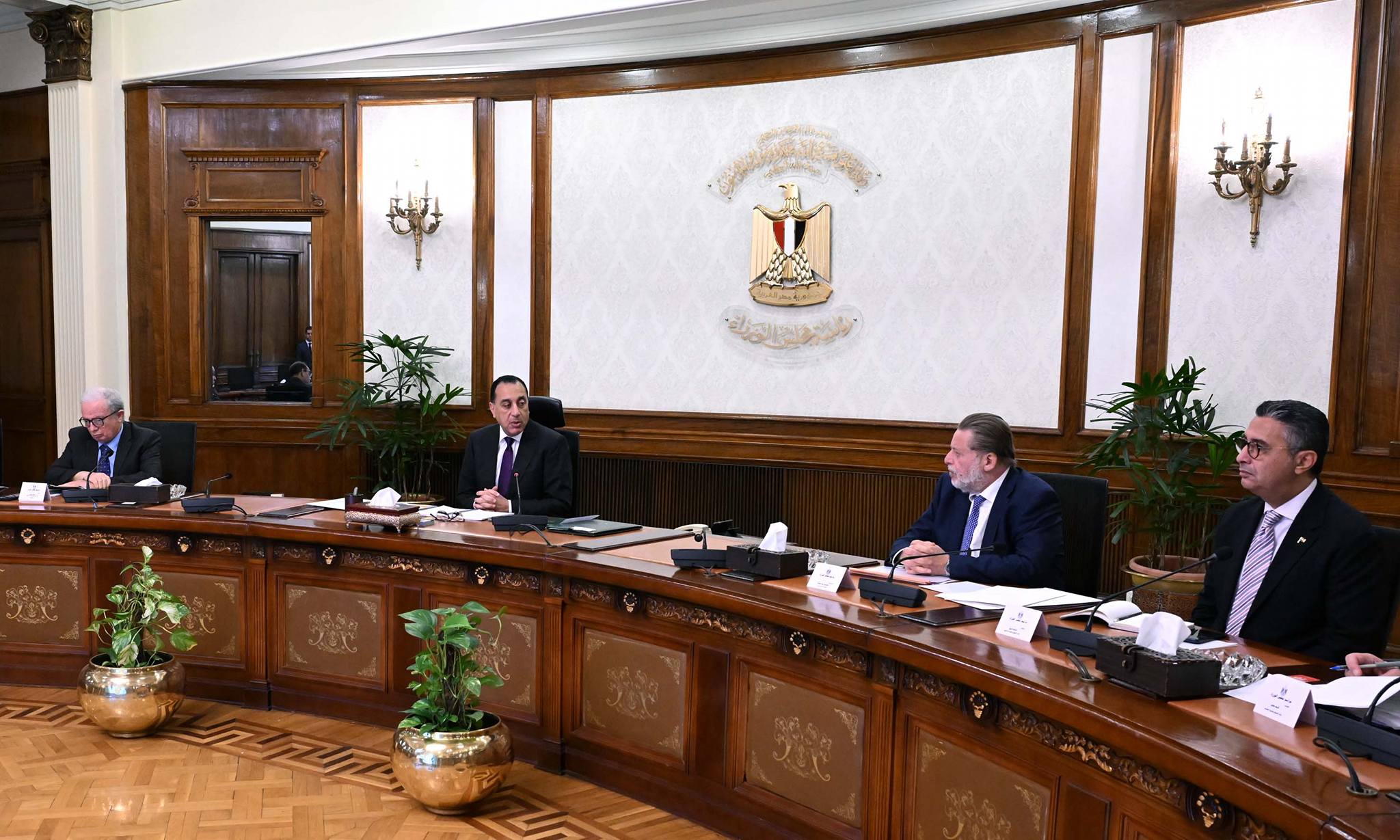
Egypt’s Prime Minister Moustafa Madbouly chaired an economic ministerial group meeting on Monday to assess the fallout from escalating US-Israeli operations against Iran and Tehran’s retaliatory strikes, as global markets reel from heightened uncertainty.
Madbouly called for updated, integrated contingency scenarios from all relevant ministries to ensure full preparedness amid rapidly evolving developments, according to a Cabinet statement.
He said the government, in coordination with the Central Bank of Egypt (CBE), has drawn up a plan to secure sufficient foreign currency to cover essential imports, including food commodities, petroleum products and production inputs.
“The trajectory of the war remains unpredictable,” Madbouly said, stressing the need for precautionary measures to manage potential shocks.
The meeting reviewed the negative impact of the military escalation on global markets and international economic activity, noting increased exchange-rate volatility driven by uncertainty. Egypt, he said, has been affected given its strategic position in global trade and logistics.
The officials also discussed disruptions to fresh agricultural exports to several Gulf markets, African countries, and Southeast Asia. The government moved to coordinate the swift redirection of affected shipments to the domestic market to shield exporters from losses.
The meeting further examined the impact on Egyptian flights to Gulf destinations, with continued coordination under way with civil aviation authorities in the region.
On energy, the government said petroleum products are available in sufficient quantities for an extended period, supported by contracted shipments. Gas supplies were described as secure, while the petroleum ministry is working with international companies to bolster strategic crude reserves.
The ministers also reviewed preparations for launching a post-IMF economic development programme and progress on the state asset offering plan, including steps towards the initial listing of around 20 companies and the transfer of 40 firms to the Sovereign Fund of Egypt (TSFE), alongside updates to the state ownership policy document.
The meeting was attended by Deputy Prime Minister for Economic Affairs Hussein Eissa, CBE Governor Hassan Abdalla, and key ministers overseeing trade, investment, petroleum, supply, planning, and foreign cooperation.
Attribution: Amwal Al Ghad English