

Egypt’s PM reviews contingency plans to shield economy, supply chains
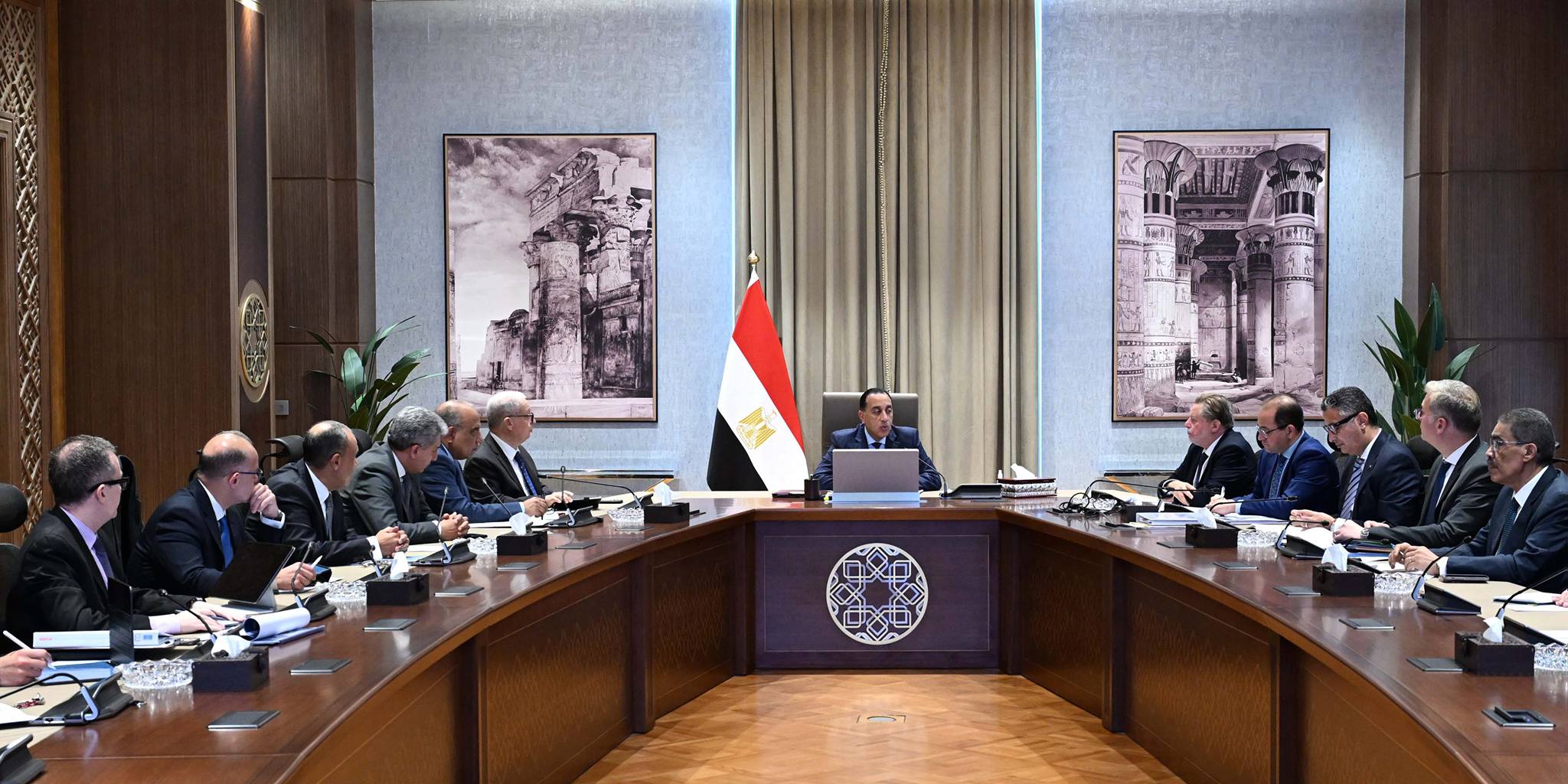
Egypt’s Prime Minister Moustafa Madbouly convened a high-level meeting on Sunday to review the consequences of the escalating military tensions in the Middle East, focusing on potential effects on global supply chains, energy markets, and the domestic economy.
The session, held at the government headquarters in the New Capital, examined US and Israeli military actions against Iran and Iranian attacks targeting Gulf states, according to a statement from the Egyptian Cabinet.
Deputy Prime Minister for Economic Affairs Hussein Eissa, Central Bank of Egypt (CBE) Governor Hassan Abdalla, and ministers including Finance Minister Ahmed Kouchouk, Petroleum Minister Karim Badawy, Supply Minister Sherif Farouk, Electricity Minister Mahmoud Esmat, Investment Minister Mohamed Farid, and Foreign Affairs Minister Badr Abdel-Atty attended the meeting.
The meeting, held by the government’s crisis management group, aimed to monitor rapidly evolving regional and international developments and evaluate their potential impact on trade, markets, and strategic commodities.
The officials reviewed the latest military developments, including Tehran’s attacks on Gulf countries, and discussed how the escalation could affect global energy prices and supply chains. Updated contingency scenarios prepared by ministries and government bodies were also examined to mitigate potential economic repercussions at home.
Madbouly directed authorities to maintain full coordination across government agencies and continuously update response plans to manage emerging developments, safeguard domestic market stability, and secure strategic goods and production inputs.
The discussion also covered the current political trajectory of the crisis and international and regional efforts to contain the escalation, aiming to achieve a political settlement that limits broader regional and global economic fallout.
The prime minister also emphasised the need for ongoing monitoring and readiness to respond to various scenarios to preserve the resilience and stability of Egypt’s economy amid external shocks.
Attribution: Amwal Al Ghad English