

EU adopts 18th sanctions package against Russia
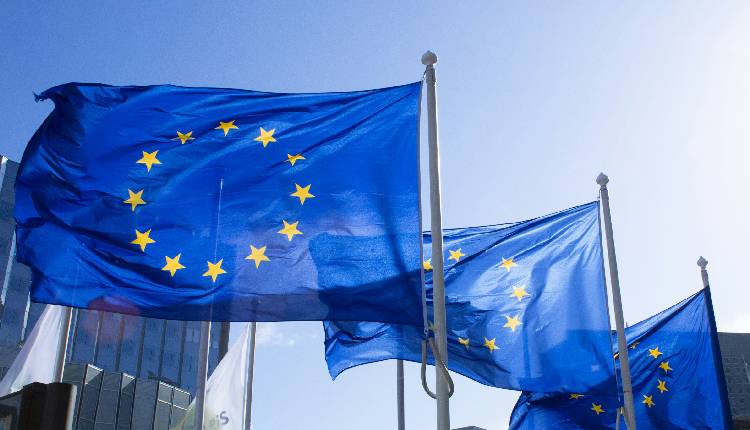
The European Commission adopted its 18th sanctions package against Russia, aiming to intensify economic pressure over its war in Ukraine and counter ongoing sanctions circumvention.
The new measures target five key areas: reducing Russia’s energy revenues, tightening financial restrictions, weakening its military-industrial base, curbing sanctions evasion, and holding Moscow accountable for war crimes, including the deportation and indoctrination of Ukrainian children.
Notably, the EU lowered the oil price cap on Russian crude from $60 to $47.6 and introduced an automatic mechanism to keep the cap 15 per cent below the six-month market average. A ban on transactions involving Nord Stream 1 and 2 was also enacted, along with an import ban on refined products derived from Russian crude processed abroad.
The package blacklists an additional 105 vessels in Russia’s so-called shadow fleet, bringing the total to 444. Full sanctions—including asset freezes and travel bans—now apply to companies managing these tankers and even a vessel captain.
Financial measures expand transaction bans to cover 45 Russian banks, prohibit dealings with the Russian Direct Investment Fund (RDIF), and restrict banking software provision. New rules target crypto providers aiding sanctions evasion and third-country financial operators tied to Russia.
Trade restrictions cover €2.1 billion worth of additional goods, including advanced technologies, while anti-circumvention tools were strengthened through tighter transit bans and catch-all clauses targeting third countries like Türkiye and China.
The EU also listed 55 new entities and individuals linked to Russia’s military supply chains, propaganda, and cultural heritage manipulation, as well as eight Belarusian military-linked firms. Additional sanctions on Belarus include arms bans, financial restrictions, and export controls on sensitive goods.
Attribution: Amwal Al Ghad English
Subediting: M. S. Salama