

URGENT: Egypt’s c.bank holds interest rates as inflation eases in June
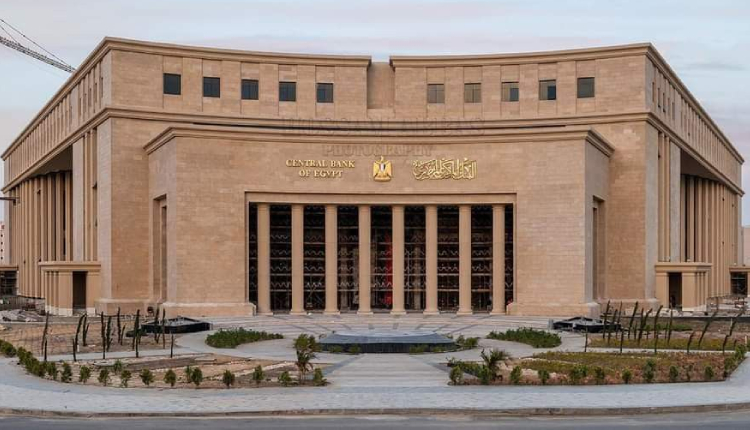
Egypt’s central bank kept its key interest rates unchanged on Thursday, hitting pause on a cycle of monetary easing amid signs of persistent inflation, despite a marked drop in June.
The Central Bank of Egypt’s (CBE) Monetary Policy Committee left the overnight deposit rate at 24.00 per cent, the overnight lending rate at 25.00 per cent, and the main operation and discount rates at 24.50 per cent.
The decision comes after back-to-back rate cuts earlier this year, as the bank monitors inflation dynamics and global monetary conditions.
Data from the state statistics agency CAPMAS showed that monthly urban consumer price index (CPI) inflation recorded a negative 0.1 per cent in June, down from 1.9 per cent in May and 1.6 per cent in June 2024. On an annual basis, urban headline inflation slowed to 14.4 per cent in June, from 16.5 per cent a month earlier.
Core inflation, which excludes volatile food and energy items and is measured by the CBE, also declined. Monthly core CPI recorded negative 0.2 per cent in June, while the annual rate eased to 11.4 per cent, down from 13.1 per cent in May.
Inflation Outlook
“The recent favourable dynamics in both headline and core inflation have contributed to the improvement of inflation expectations. Therefore, annual headline inflation is expected to stabilise around current levels during the remainder of 2025, before steadily declining in 2026, subject to the stickiness of non-food inflation and the pass-through of fiscal consolidation measures (e.g., administered price changes) to domestic prices.” CBE statement read.
“However, a wait-and-see approach is required before proceeding further with the monetary easing cycle, especially that this approach would allow for time to gauge the possible effects of recently announced legislative amendments, such as value-added tax reforms.”
The CBE further said it would continue to assess inflationary pressures, real interest rates, and the impact of earlier monetary tightening as it calibrates future policy.
Attribution: Amwal Al Ghad English