

US Dollar rises as Middle East tensions and oil surge boost safe-haven demand
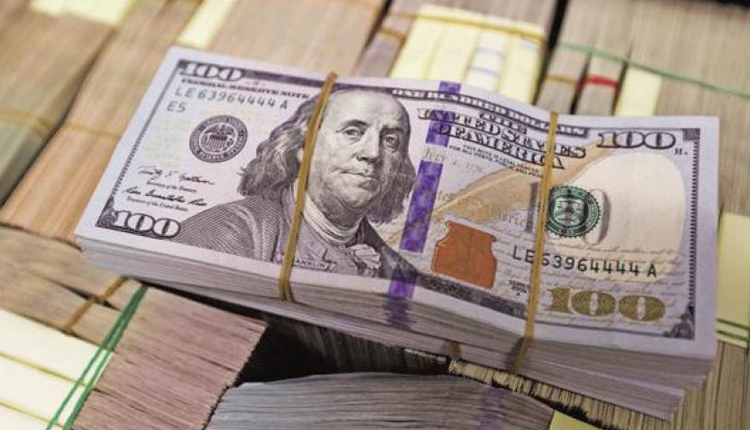
The US dollar strengthened against the euro, yen, and Swiss franc on Monday as strikes by the US and Israel on Iran stoked fears of a prolonged Middle East conflict and disrupted oil flows through the Strait of Hormuz.
The US dollar index rose 0.74 per cent to 98.37, after hitting 98.566, its highest since 23 January. The euro fell 0.8 per cent to $1.1721, while the yen dropped 0.61 per cent to 157.005 per dollar amid uncertainty over the Bank of Japan’s policy stance. The Swiss franc hit an 11-year high versus the euro at 0.9028 but weakened slightly to 0.7727 versus the dollar.
Higher oil prices, propelled by Iranian retaliation against Gulf shipping, underpinned the greenback. Analysts at Barclays noted the dollar could gain 0.5–1 per cent for every 10 per cent jump in crude.
“The reaction at the centre of everything is that of the oil market,” said Thu Lan Nguyen, head of forex and commodity research at Commerzbank, highlighting limited alternatives for Middle Eastern crude exports despite planned OPEC+ output increases.
The Israeli military reported the death of Iran’s Supreme Leader Ali Khamenei, confirmed by Iranian state media, prompting retaliatory strikes on US and British tankers and regional targets.
Risk-sensitive currencies were hit: the Australian dollar fell 0.6 per cent to $0.7025, while China’s offshore yuan weakened 0.25 per cent to 6.8819 amid central bank measures to temper appreciation. Rising oil costs threaten eurozone inflation and Japan’s fiscal plans, intensifying safe-haven flows into the dollar.
Attribution: Reuters