

Egypt’s FRA issues new solvency rules to bolster insurance sector stability
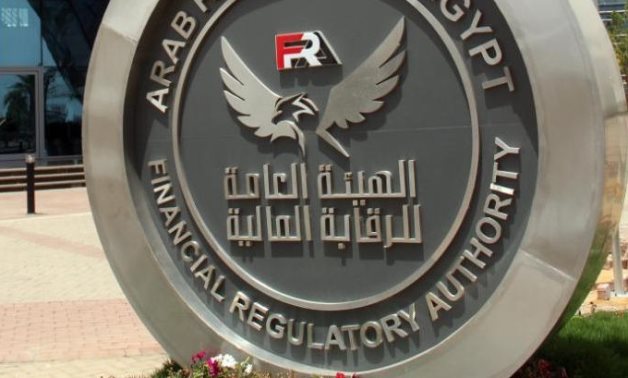
Egypt’s Financial Regulatory Authority (FRA) on Tuesday introduced new solvency margin rules aimed at strengthening the resilience of insurance and reinsurance companies and safeguarding policyholders’ rights, as part of broader efforts to enhance the stability of the market.
The new measures, set out in Decision No. 148 of 2025 under the Unified Insurance Law No. 155 of 2024, require insurers to hold higher capital buffers to cover future liabilities.
The measures set out an updated regulatory framework for solvency margin requirements, with property and liability insurers obligated to calculate their solvency margins using two methodologies — 20 per cent of net premiums until end-2027 or based on net incurred claims — with the higher value applied in each case. This approach is designed to better absorb shocks in high-risk segments such as petroleum, aviation and energy.
For life and fund accumulation insurers, solvency margins will be calculated based on insurance capital plus technical provisions, after deducting net liabilities and factoring in reinsurance arrangements.
The FRA has also tightened rules on asset quality, excluding intangible assets, overdue receivables and investments in related insurers from solvency calculations to ensure capital adequacy is based on reliable, liquid assets. Technical provisions may no longer be counted as assets.
To enforce compliance, the authority has been granted expanded supervisory powers, allowing it to require insurers falling below the minimum solvency margin to implement remedial plans — including profit retention, capital increases or shareholder support — addressing weaknesses before they escalate.
The regulator said the tougher framework would reinforce confidence in the insurance sector, improve crisis-response capabilities and better protect policyholders’ funds.
Attribution: Amwal Al Ghad English
Subediting: Y.Yasser