


Egypt, China’s Goldwind discuss wind turbine components factory
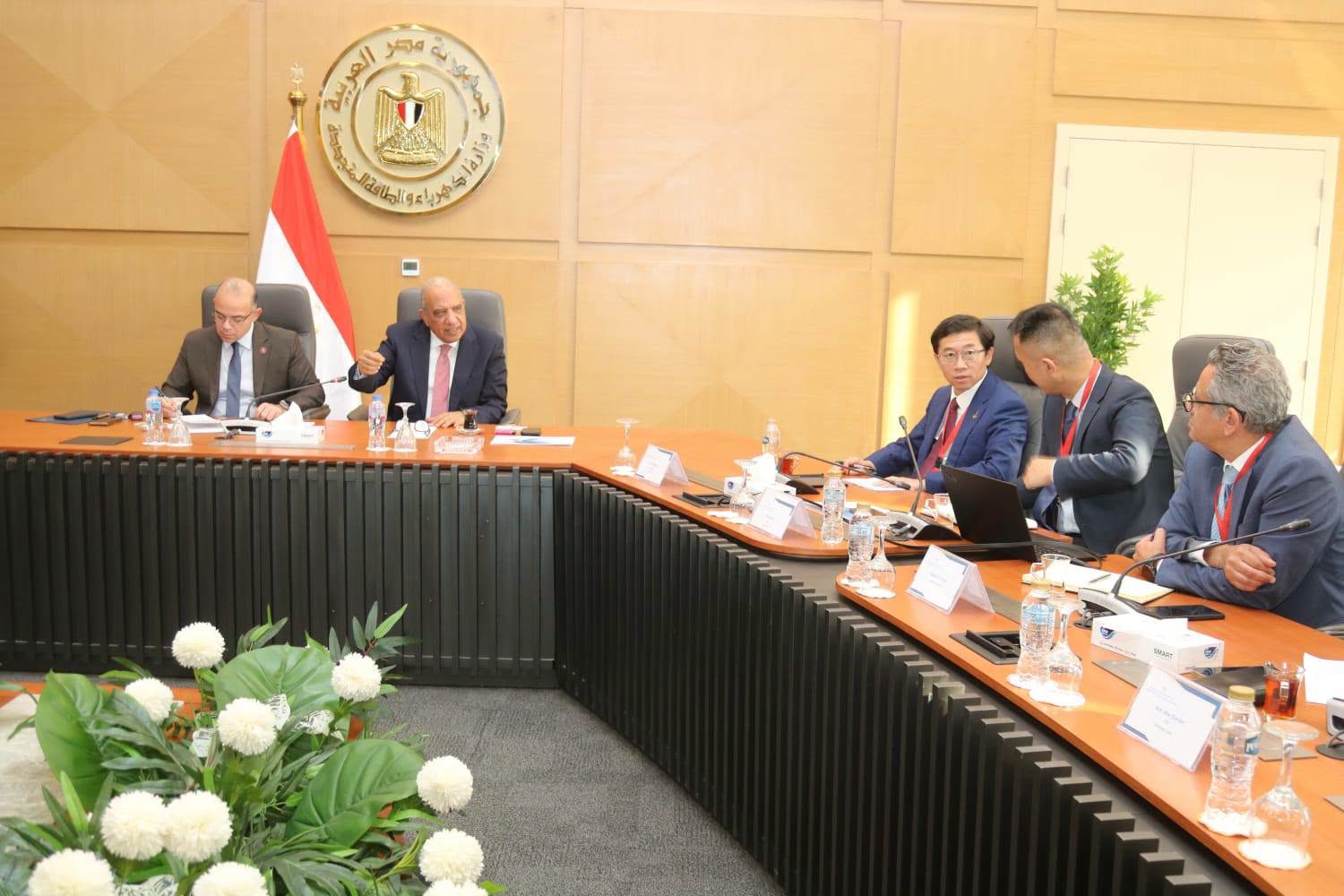
Egypt is exploring cooperation with Chinese wind turbine maker Goldwind to establish a factory for wind turbine components, the ministries of Electricity and Investment said in a joint statement on Tuesday. The country seeks to attract foreign investment, transfer technology, and expand domestic manufacturing of renewable energy equipment.
Electricity and Renewable Energy Minister Mahmoud Esmat and Investment and Foreign Trade Minister Mohamed Farid met a Goldwind delegation led by the company’s Vice Chairman and President Cao Zhigang to discuss localising the manufacture of wind turbine equipment and increasing the domestic content of renewable energy projects.
The discussions included the possibility of establishing a factory in Egypt, transferring Goldwind’s technology and developing local manufacturing capabilities. No investment value, production capacity, or timetable was disclosed.
The Goldwind delegation also presented grid-forming technologies designed to help maintain electricity network stability as renewable energy accounts for a growing share of power generation, the statement said.
Esmat said Egypt was working to develop a domestic industry for renewable energy equipment, noting that several factories producing solar power equipment had been established and that a wind energy equipment factory was under development in the Suez Canal Economic Zone (SCZONE).
The government is pursuing technology transfer and industrial localisation through partnerships and is working on requirements to increase the share of locally manufactured components in renewable energy projects, he said.
Farid said localising wind turbine component manufacturing could deepen domestic industry, attract foreign investment, and support exports.
He said the proposed cooperation aimed to explore establishing an industrial base in Egypt to manufacture wind turbine components and equipment, drawing on Goldwind’s expertise and technology and leveraging the country’s strategic location and trade agreements to access regional and international markets.
The government gives preference to locally manufactured products in implementing the National Energy Strategy and supporting and upgrading the national electricity grid, Esmat said.