

Egypt’s ACTA Mass Transit reports EGP 101.4 mln profit
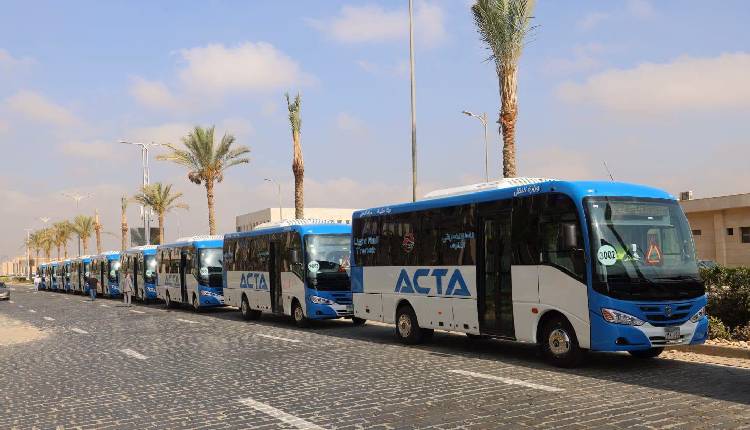
Egypt’s ACTA Mass Transit Company posted a net profit of 101.389 million Egyptian pounds in 2025 after transporting more than 3.8 million passengers, according to performance indicators released by the Transport Ministry on Wednesday.
The company generated operating revenues of 122.04 million pounds during the year, while continuing to expand smart and environmentally friendly public transport services in Egypt’s new urban communities.
Transport Minister Kamel El-Wazir chaired ACTA’s ordinary general assembly meeting, which approved the company’s financial statements, final accounts, and annual reports for the financial year ended 31 December 2025.
The meeting reviewed ACTA’s role in operating smart and sustainable transport services, including the public bus network and Capital Taxi service in the New Capital.
ACTA operates a fleet of 210 vehicles, comprising 60 buses—including 40 electric buses and 20 powered by compressed natural gas—10 diesel minibuses and 140 electric cars.
The company’s services are supported by digital technologies, including passenger information systems, GPS tracking, surveillance cameras, electronic payment systems, and a central command and control centre designed to improve operational efficiency and service quality.
On the sidelines of the meeting, El-Wazir launched 10 locally manufactured minibuses to connect the Capital Gardens and Capital Zahra cities with the Capital Gardens Light Rail Transit (LRT) station, as part of efforts to strengthen public transport links and reduce reliance on private vehicles.
The minister said the new minibuses reflect Egypt’s strategy to localise transport manufacturing while expanding public transport services in newly developed urban areas.
He also directed ACTA to continue expanding its environmentally friendly fleet and adopting smart transport technologies to improve operational efficiency and support sustainable urban mobility.
ACTA operates public transport services in Egypt’s new urban communities as part of the government’s broader strategy to develop integrated, technology-driven and low-emission transport networks.
Subediting: Y.Yasser