

Egypt’s trade deficit widens to $5.1 bln in Feb – CAPMAS
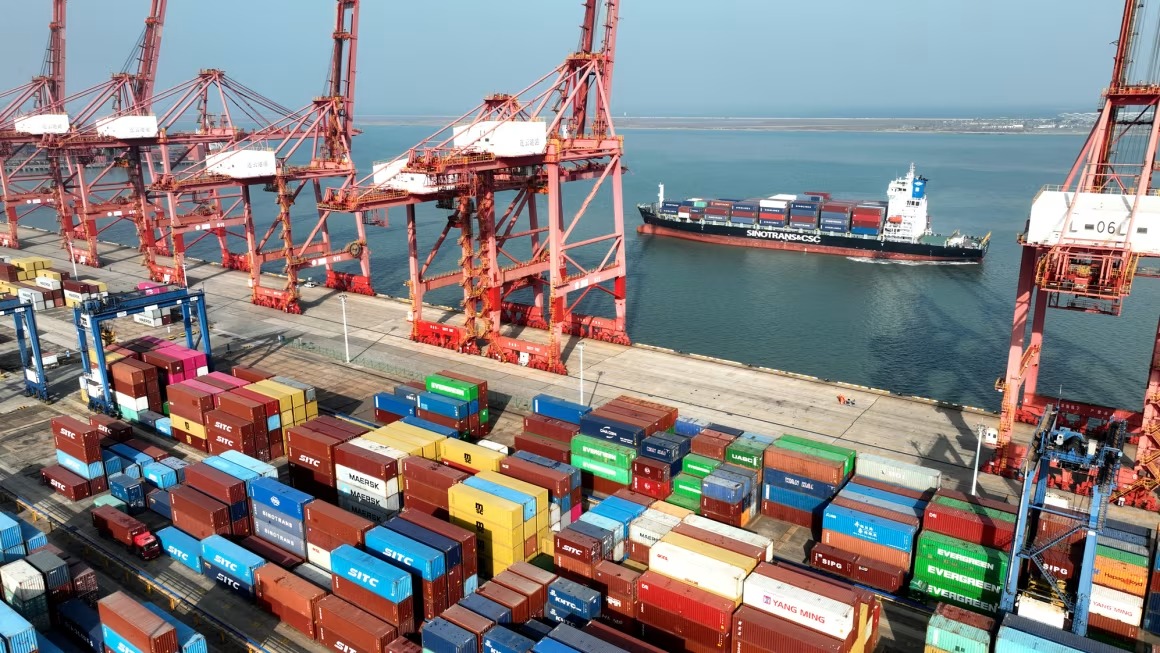
Egypt’s trade deficit widened sharply to $5.1 billion in February 2026, up from $2.7 billion a year earlier, as imports surged and exports declined, data from the state statistics agency CAPMAS showed on Wednesday.
Exports fell 11.6 per cent year-on-year to $4.2 billion, down from $4.7 billion in February 2025, driven by weaker shipments of several key commodities.
The decline was led by lower exports of fertilisers (-39.3 per cent), crude oil (-34.4 per cent), primary plastics (-16.2 per cent), and potatoes (-16 per cent). However, gains in petroleum products (+85.4 per cent), fresh fruits (+49.1 per cent), ready-made garments (+8 per cent), and food preparations (+2.4 per cent) helped partially offset the drop.
Imports rose 24.7 per cent to $9.3 billion, compared with $7.4 billion a year earlier, reflecting higher demand for key inputs and energy products.
The increase was driven by stronger imports of natural gas (+56.2 per cent), copper and its products (+74.2 per cent), raw iron and steel materials (+11.6 per cent), and wheat (+4.5 per cent).
This came despite declines in imports of petroleum products (-20.1 per cent), pharmaceuticals (-1.5 per cent), passenger cars (-1.4 per cent), and primary plastics (-14.9 per cent).
Attribution: Amwal Al Ghad English