

EBRD, IFC invest $200 mln in Banque du Caire’s IPO
The European Bank for Reconstruction and Development (EBRD) is investing $100 million in Banque du Caire’s initial public offering, supporting Egypt’s privatisation programme and efforts to deepen its capital markets, the development bank said in a statement on Monday.
The investment is being made alongside a $100 million commitment from the International Finance Corporation (IFC), bringing the two multilateral lenders’ combined investment in the offering to $200 million, the EBRD said.
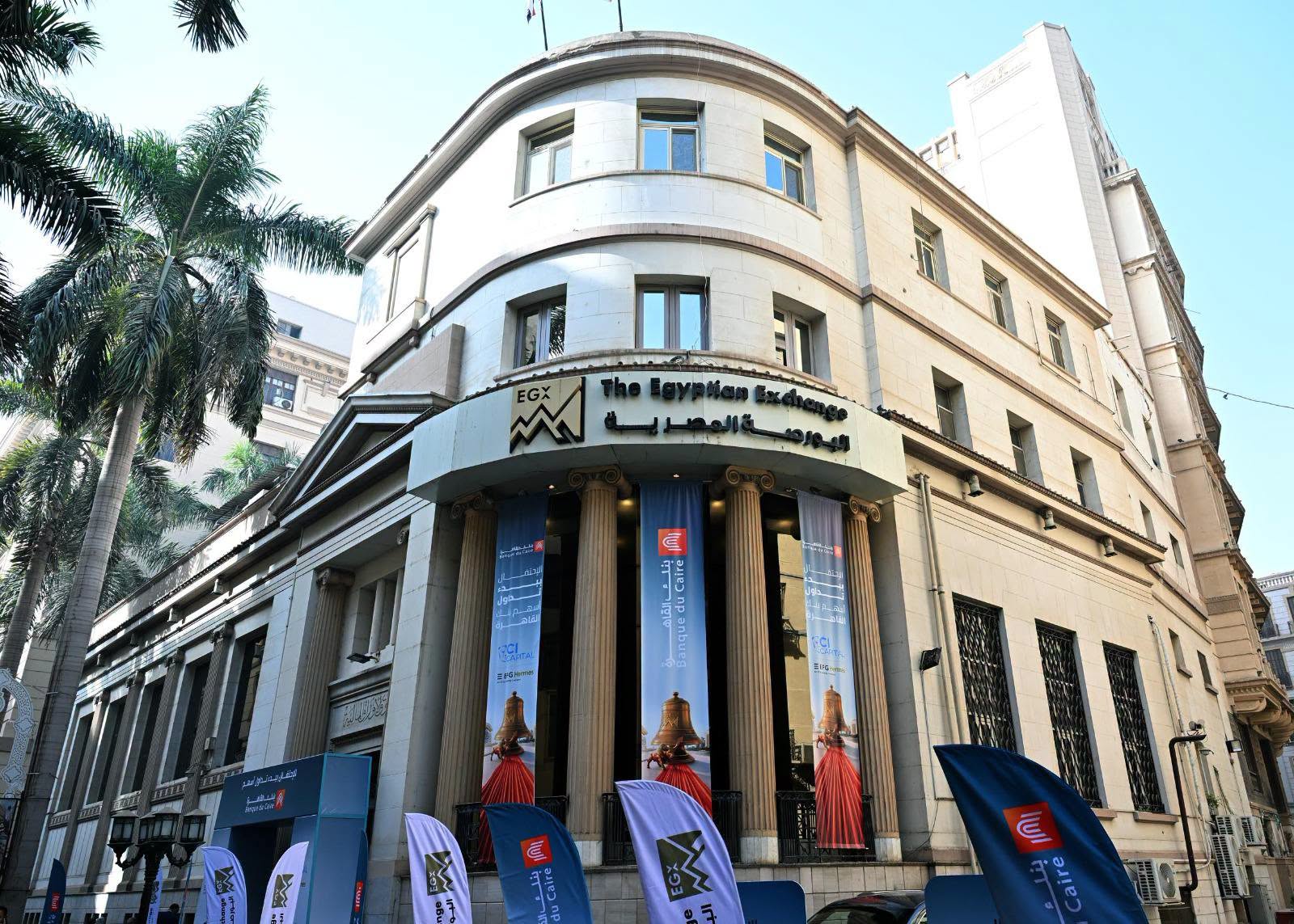
The IPO involves the listing of 45 per cent of Banque du Caire’s common shares on the Egyptian Exchange (EGX), marking a milestone in Egypt’s state ownership and privatisation programme and aiming to expand private-sector equity participation in the banking sector, according to the statement.
The EBRD said its investment would support Banque du Caire’s transition to listed-company standards, including improvements in corporate governance, climate-related, environmental and social practices, digitalization, and cybersecurity.
The bank will also provide technical cooperation to support Banque du Caire’s digital transformation, cybersecurity, and environmental and social risk-management capabilities, the statement said.
A resounding success
“Banque du Caire’s IPO is a resounding success,” Francis Malige, EBRD managing director for financial institutions, said in the statement, describing the transaction as a strategic milestone for Egypt’s privatisation programme.
“… not only a landmark transaction for Banque du Caire but also a strategic milestone for the broader national privatisation programme.” Malige added.
The EBRD invests as a long-term institutional investor to support broader private ownership, attract institutional capital and reinforce confidence in Egypt’s structural reform agenda, Malige said.
“The transaction supports Egypt’s Asset Monetisation Programme and broader efforts to increase private sector participation in the economy, closely aligned with the World Bank Group’s focus on creating more and better private-sector jobs.” Ary Naim, IFC Division Director for North Africa and the Horn of Africa, said.