


Egypt eases terms of 15% industrial financing initiative, adds working capital
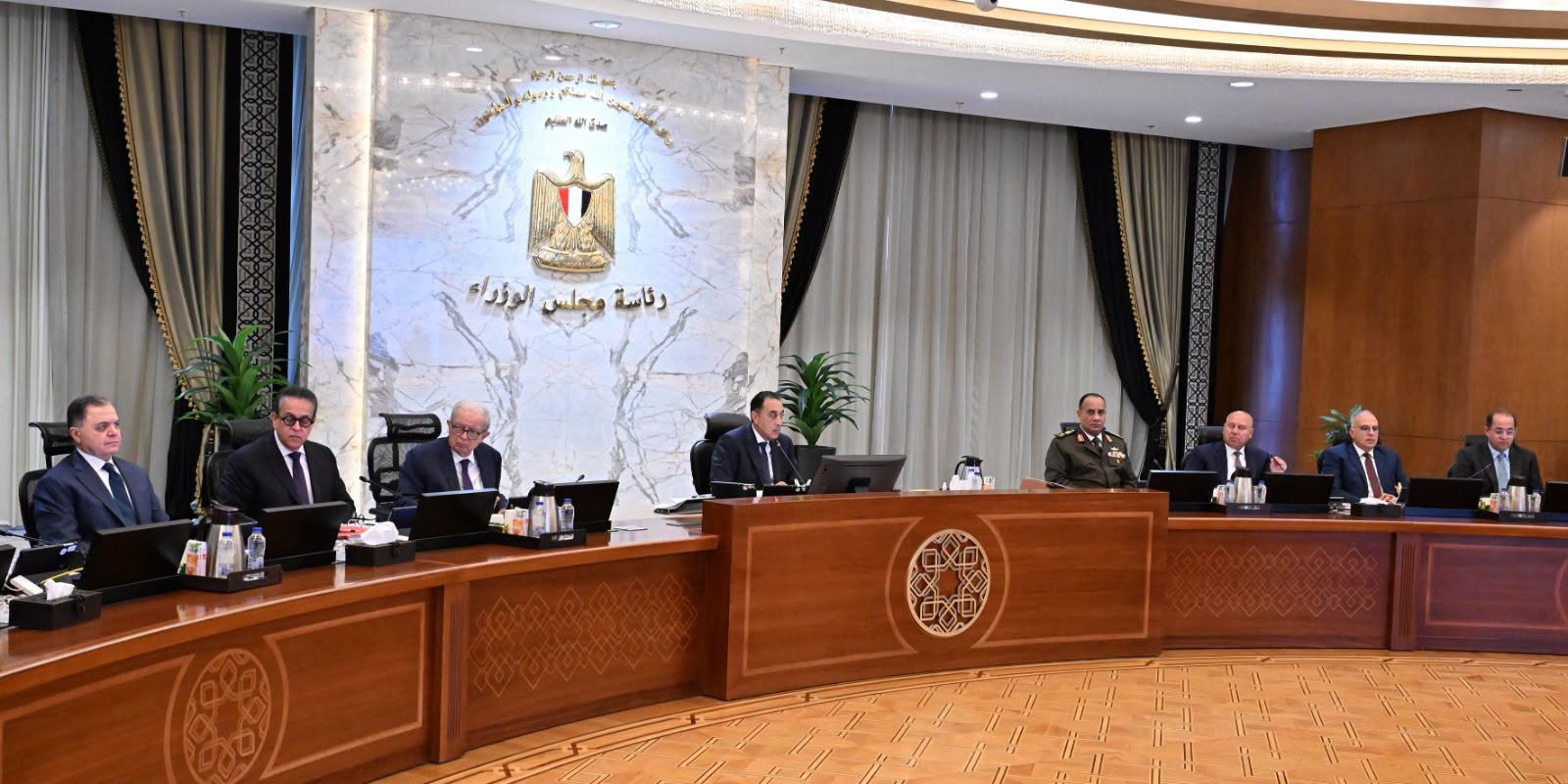
Egypt’s Cabinet approved amendments on Wednesday to its 15 per cent industrial financing initiative, extending it to working capital and raising financing limits for some strategic industries.
The initiative’s 30 billion Egyptian pound ceiling will be split into two, with 15 billion pounds for machinery and equipment and 15 billion for working capital, including raw materials, production inputs, and spare parts, the Cabinet said in a statement.
Financing limits will be raised for some industrial sectors according to project size and operating requirements, capped at 200 million pounds for a single project and 250 million pounds for a project and its related parties. The higher limits will apply only to strategic priority industries, it said.
A committee of specialists from the finance ministry and the Industrial Development Authority (IDA) will review applications individually and refer them to the finance and industry ministers. Participating banks will be informed by letter through the industry ministry’s IDA.
The amendments also widen the range of eligible industrial activities and change the readiness requirement, so that projects qualify once a year has passed since launch, with at least 60 per cent of construction completed in line with the implementation schedule and in coordination with the IDA.
New industrial entities created by merging a distressed or closed factory with a new investor will get priority, provided they have no outstanding dues to banks or non-bank financial companies. Customers who benefited from the fund supporting distressed clients will not qualify for the priority, the statement said.
The initiative provides low-interest financing for machinery, equipment, and production lines to support expansion and improve competitiveness.
It will be assessed using indicators including growth in revenue, company assets, production capacity, and actual output, the range of products, the filling of domestic supply gaps, local value added, links to global value chains, employment, and the localisation of new industries.