

Egypt sees sharp decline in cancer incidence, mortality: minister
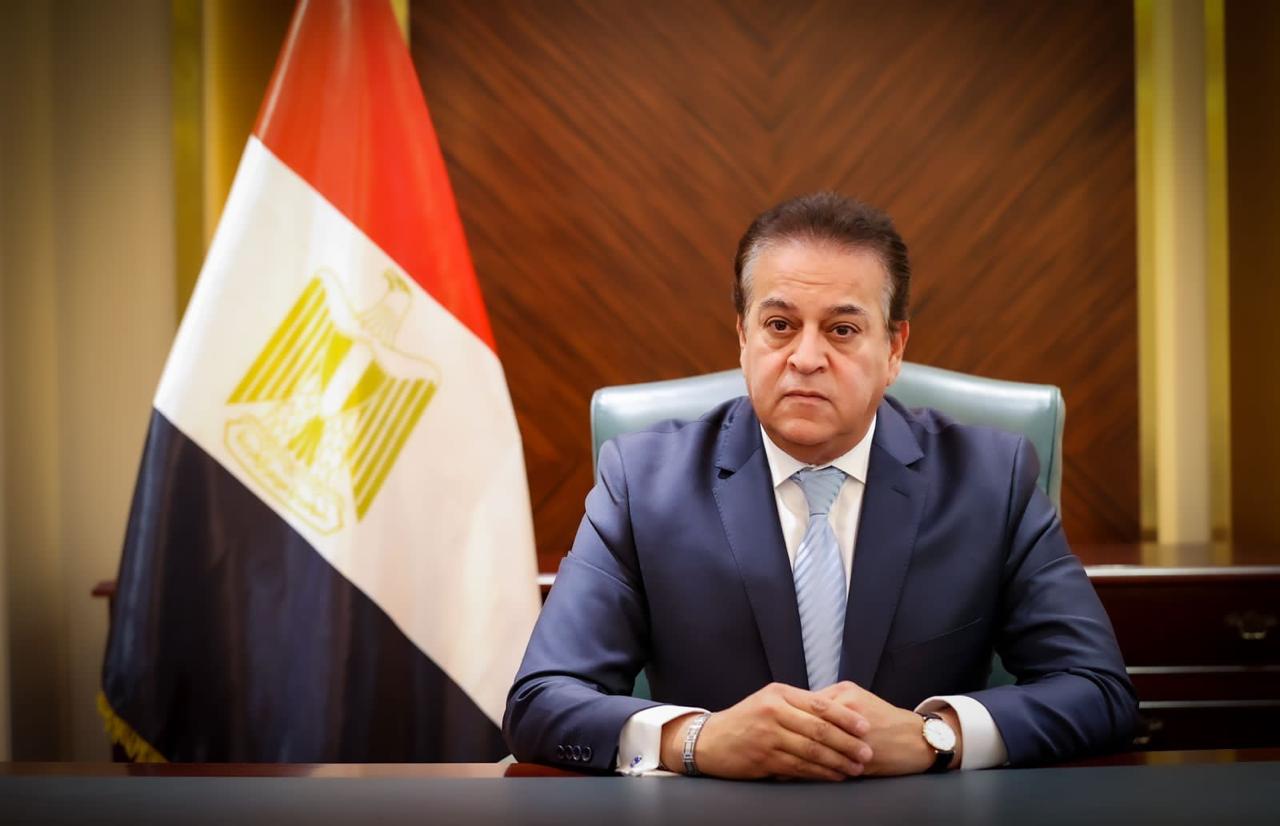
Egypt’s age-standardised cancer mortality rate fell 23.5 per cent, while its age-standardised incidence rate declined 17.2 per cent between 2022 and 2024, the country’s health minister said on Tuesday, citing the latest global estimates.
Minister Khaled Abdel Ghaffar said the Global Cancer Observatory (GLOBOCAN) of the International Agency for Research on Cancer (IARC) estimated annual new cancer cases in Egypt at 137,400 in 2024, down from about 150,600 in 2022. Cancer deaths declined to 80,500 from 95,300, despite the country’s population increasing by around 9.8 per cent over the same period, according to GLOBOCAN estimates.
“The decline in cancer incidence and mortality represents an important milestone for Egypt’s public health system and reflects years of sustained efforts in prevention, early detection, and treatment,” Abdel Ghaffar said.
“These are more than statistics. They represent lives saved and hope for millions of Egyptian families,”
Abdel Ghaffar said the decline reflected the impact of Egypt’s public health initiatives, particularly the 100 Million Healthy Lives Campaign, which targeted hepatitis C and other major health challenges.
The minister said liver cancer deaths fell 22.1 per cent, while new liver cancer cases declined 16.7 per cent, which it linked to Egypt’s efforts to eliminate hepatitis C, previously one of the country’s leading causes of liver cancer.
According to Abdel Ghaffar, breast cancer has become Egypt’s most commonly diagnosed cancer, replacing liver cancer, and authorities plan to expand early detection programmes nationwide. He added that bladder cancer incidence has continued to decline following decades of efforts to combat schistosomiasis.
Abdel Ghaffar said the ministry would continue strengthening the national cancer registry and expanding early screening programmes as part of broader efforts to improve prevention, early diagnosis, and cancer care nationwide.
The International Agency for Research on Cancer (IARC), part of the World Health Organisation (WHO), coordinates and conducts research on the causes of human cancer, the mechanisms of carcinogenesis, and develops scientific strategies for cancer control.
Attribution: Amwal Al Ghad English