

Egypt targets 250 AI startups by 2030 as ITIDA backs tech entrepreneurs
Egypt aims to support the creation of 250 artificial intelligence-based startups by 2030, as the government seeks to help technology companies turn AI capabilities into commercially viable products and expand into regional and global markets.
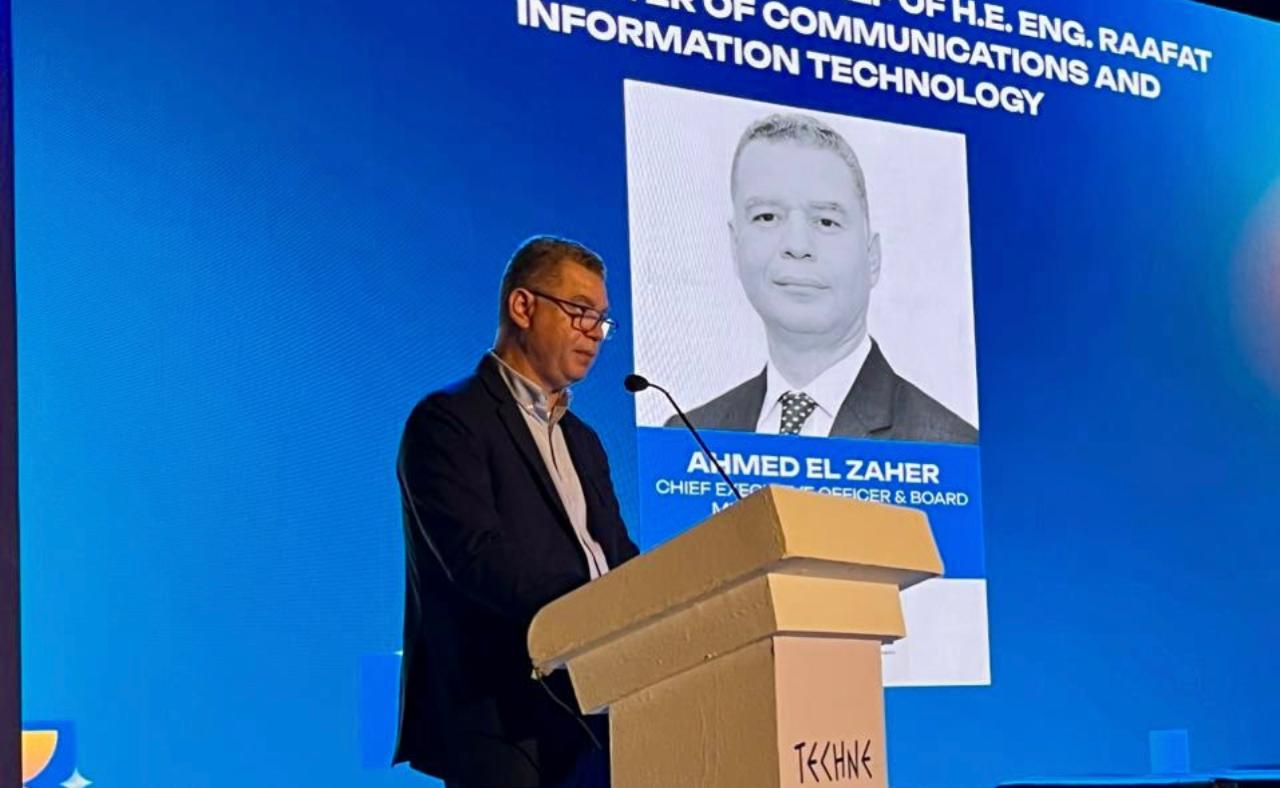
Ahmed Elzaher, CEO of the Information Technology Industry Development Agency (ITIDA), outlined the country’s approach at the opening of Techne Summit Alexandria 2026, highlighting the need for specialised expertise, access to computing resources, real-world testing, and investment readiness.
Speaking on behalf of Communications and Information Technology Minister Raafat Hindy, Elzaher said AI was giving smaller teams access to capabilities that previously required substantial resources, while intensifying competition among startups.
“If everyone can access the same AI models, the question becomes: what makes your company different?” he said, pointing to specialised data, industry expertise, a deeper understanding of customer needs and strong customer relationships as potential sources of competitive advantage.
Egypt’s National AI Strategy for 2025-2030 includes a target to support the creation of 250 AI-based startups by the end of the decade, as the country seeks to strengthen its technology ecosystem and develop higher-value digital products and services.
From local challenges to global markets
Elzaher identified healthcare, education, financial technology, agriculture, and government services as sectors where Egyptian startups could use their understanding of local needs to develop solutions with wider regional and international applications.
He said the challenge was not simply to adopt AI tools but to build products and services that solve real-world problems and generate sustainable, scalable value.
Egypt’s information and communications technology sector recorded growth of 19.2%, according to ITIDA, underscoring the sector’s contribution to the economy and the opportunity for local companies to move further into higher-value technology activities.
Elzaher outlined four priorities for helping startups capitalise on AI: developing skills, improving access to resources, enabling real-world application and supporting businesses as they scale.
These priorities include building AI expertise, expanding access to cloud and computing resources, and helping startups test solutions with actual customers.
ITIDA is supporting these efforts through programmes and partnerships including StartIT and AWS, as well as incubation and acceleration initiatives through Creativa Innovation Hubs, collaborations with Plug and Play and 500 Global, and the Venture Ready programme with Germany’s GIZ.
The agency is also preparing an AI competition with a government ministry to give startups and innovative teams opportunities to address practical challenges and develop solutions for real-world use.
Elzaher stressed that developing a product was only the first step, with startups also needing sustainable business models, investment readiness, market access and the capacity to expand.
ITIDA showcases 10 Egyptian startups
ITIDA, a strategic partner of Techne Summit Alexandria 2026, is hosting a dedicated pavilion featuring 10 Egyptian technology startups benefiting from its programmes.
The participating companies are KoCyber, STEMulator, Fabritec, Aman 7, Dackatra, Just2Pay, Polaris GRC, Dragons, Syncode X and EVRAID.
Their activities span cybersecurity, educational technology, software-as-a-service, property technology, healthcare technology, financial technology, AI, business automation, deep technology and electric mobility.
The pavilion provides the startups with an opportunity to present their solutions to investors, businesses and potential partners, with the aim of opening new avenues for customers, partnerships and market access.
Elzaher also encouraged entrepreneurs to engage with EgyptInnovate, the national innovation and entrepreneurship platform, and share their needs, experiences and suggestions for improving available programmes and services.
He said understanding entrepreneurs’ challenges and listening to market feedback were essential to ensuring that support mechanisms remained relevant to businesses’ needs.
The initiative reflects ITIDA’s broader focus on helping startups progress beyond product development to market validation, investment attraction and international expansion.