

Egypt unveils post-IMF economic plan at WEF Country Strategy Meeting
Programme targets 6.8% economic growth, inflation of 5–7% and a 67% private-sector share of investment by 2030.
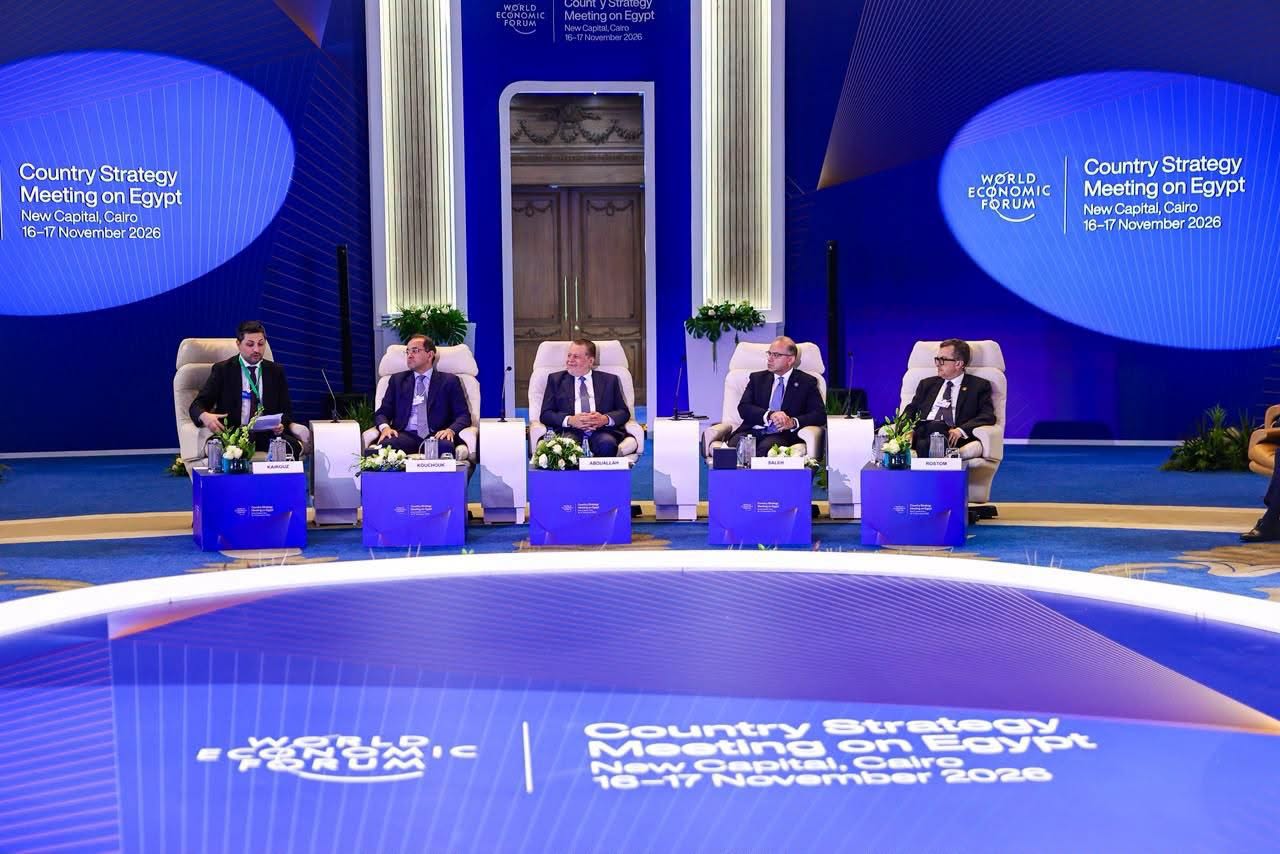
Egypt is targeting 6.8 per cent economic growth and inflation of 5 per cent to 7 per cent by 2030 under a new national economic transformation programme, Planning and Economic Development Minister Ahmed Rostom said on Tuesday.
Speaking at the World Economic Forum’s Country Strategy Meeting on Egypt, Rostom said the programme would focus on five sectors: manufacturing, communications and information technology, tourism, energy, and agriculture, as Egypt seeks to shift towards a more productive, export-oriented growth model.
Rostom said Egypt would complete its structural reform programme agreed with the International Monetary Fund (IMF) by December 2026. He said the reforms had strengthened macroeconomic indicators, boosted foreign exchange reserves and investment, and helped sustain growth despite regional and international shocks, laying the groundwork for a new phase of sustainable growth.
The programme aims to shift Egypt’s growth model towards five productive, export-oriented sectors: manufacturing, communications and information technology, tourism, energy and agriculture.
Together, the sectors account for around 40 per cent of gross domestic product, 50 per cent of economic growth and 40 per cent of the workforce, Rostom said, adding that the government sought to make them more attractive to foreign investors.
The government is also implementing the second edition of its State Ownership Policy Document to expand the private sector’s role as a key driver of growth, while refocusing the state’s role on regulating markets and creating a favourable investment environment.
The policy includes raising the private sector’s share of investment to 67 per cent by 2030, directing public investment towards strategic sectors and restructuring the government’s presence in certain industries.
Infrastructure financing, startup support
Egypt also plans to launch the Infrastructure Finance Guarantee Facility (IFGF) in cooperation with the World Bank to facilitate private sector investment in infrastructure projects, Rostom said.
The mechanism will operate through a specialised company that provides guarantees to private investors, enabling long-term local-currency financing for infrastructure projects implemented by private companies. It will draw on models used in other countries, he said.
The ministry also plans to launch an interactive map on its official website showing the geographical distribution of national development projects and public investments for 2027–2030.
The map will identify industrial clusters ready to receive investment, taking into account the competitive advantages of each governorate, Rostom said.
To support entrepreneurship and innovation, the government plans to launch a national initiative aimed at helping develop five billion-dollar companies over the next five years.
The ministry is also working to activate the Egypt Entrepreneurship and Innovation Centre and restructure the National Investment Bank to strengthen its role in development financing and support for startups. Plans also include establishing a fund of funds to provide liquidity to emerging companies, Rostom said.
Central Bank Governor Hassan Abdalla and Investment and Foreign Trade Minister Mohamed Farid Saleh also took part in the session.
Parallel discussions
On the sidelines of the WEF meeting, Rostom held discussions with investors and business representatives, including Mohammad Abunayyan, founder and chairman of ACWA Power, WEF CEO Alois Zwinggi, Cassava AI CEO Ahmed El Beheiry, and Copenhagen Infrastructure Partners partner Robert Helms.