

Egyptian fossil re-examination reveals new crocodile genus dating back 45 million years
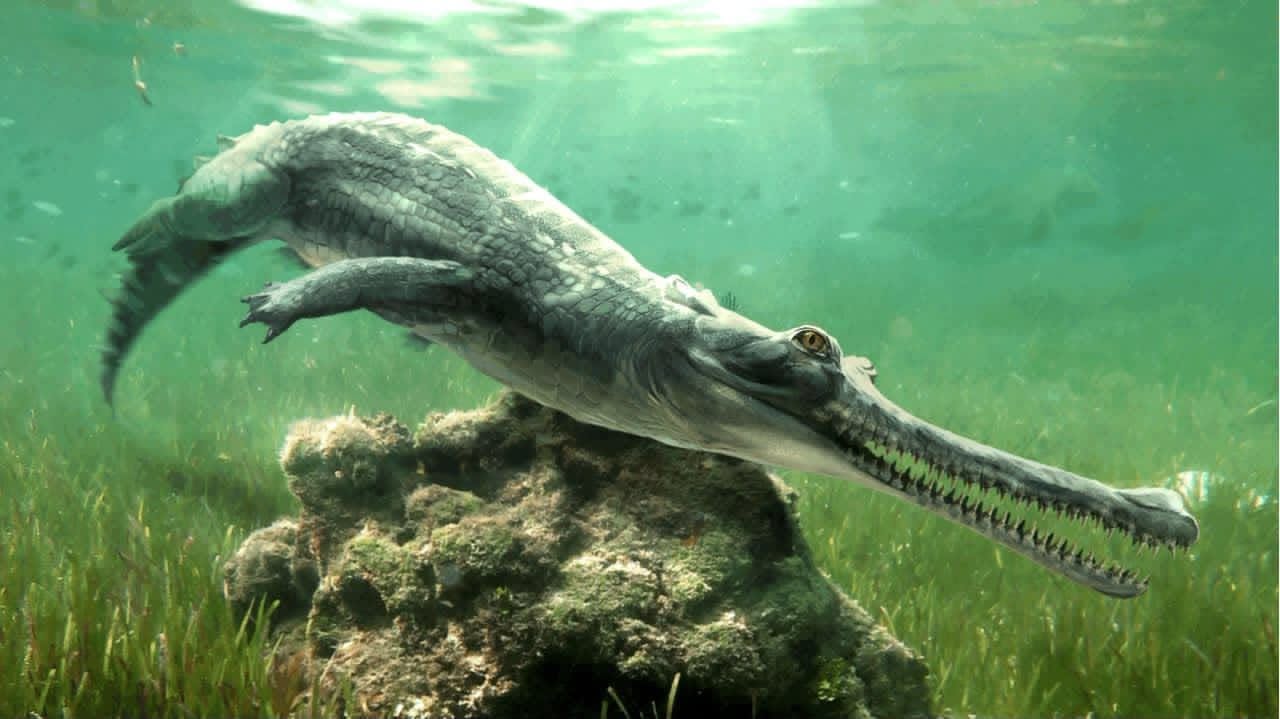
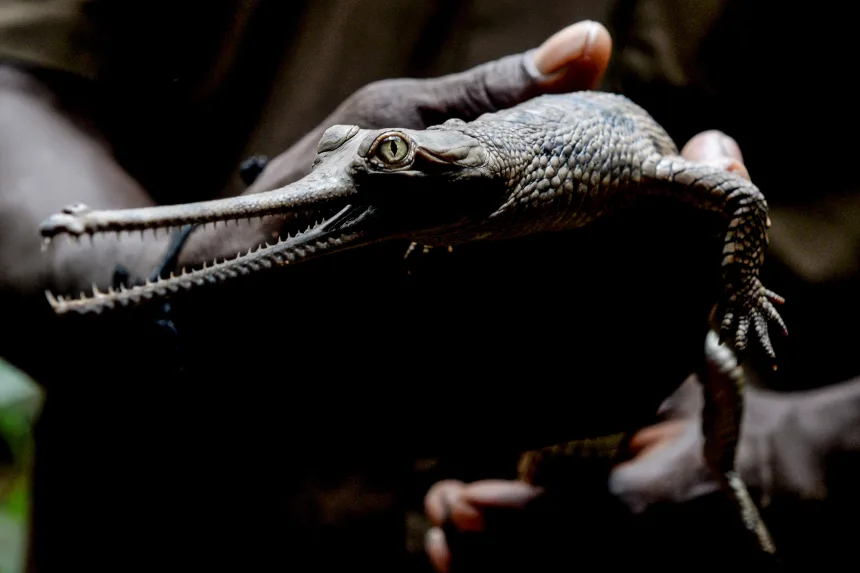
A re-examination of an Egyptian fossil discovered nearly a century ago has led to the identification of a new gharial or gavial crocodile genus dating back about 45 million years, the Ministry of Higher Education announced Wednesday.
The discovery was made through an international study involving Mansoura University Vertebrate Paleontology Centre (MUVP Centre), led by paleontologist Hisham Sallam, and was based on a fossil found at Cairo’s Mokattam Mountain in 1927.
The new genus has been named Herugavialis, with the species given the scientific name Herugavialis Cairensis, Sallam said. The finding provides new insights into the diversity and evolutionary history of gharials in Egypt and the Mediterranean region.
The fossils were found in the Mokattam Formation, a thick limestone layer in northern Egypt that has preserved marine fossils including fish, sharks, and early whales, according to details shared in a CNN report on the study.
The same limestone formation supplied much of the raw material used by ancient Egyptians to build some of the country’s most famous monuments, including the Great Sphinx and the pyramids at Giza, the report said.
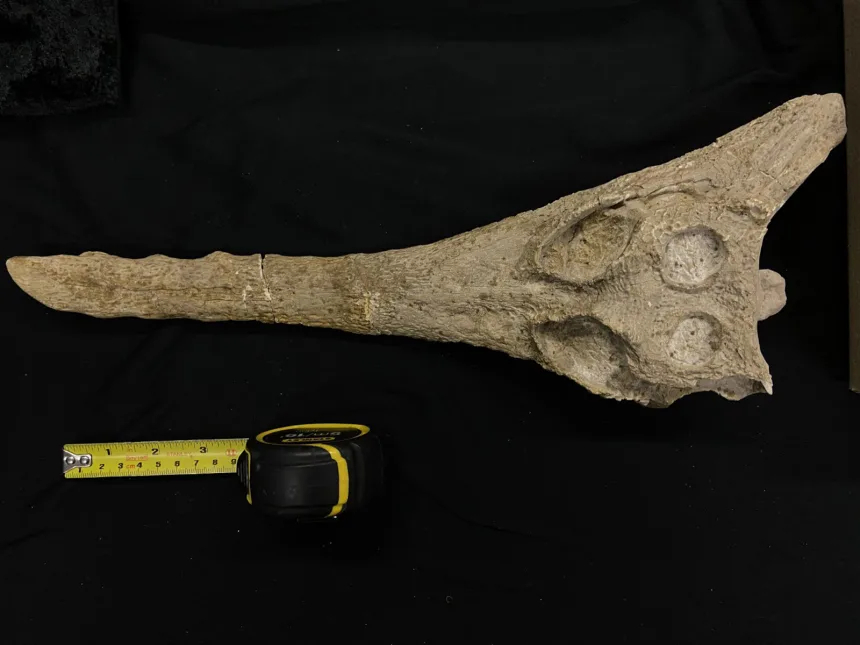
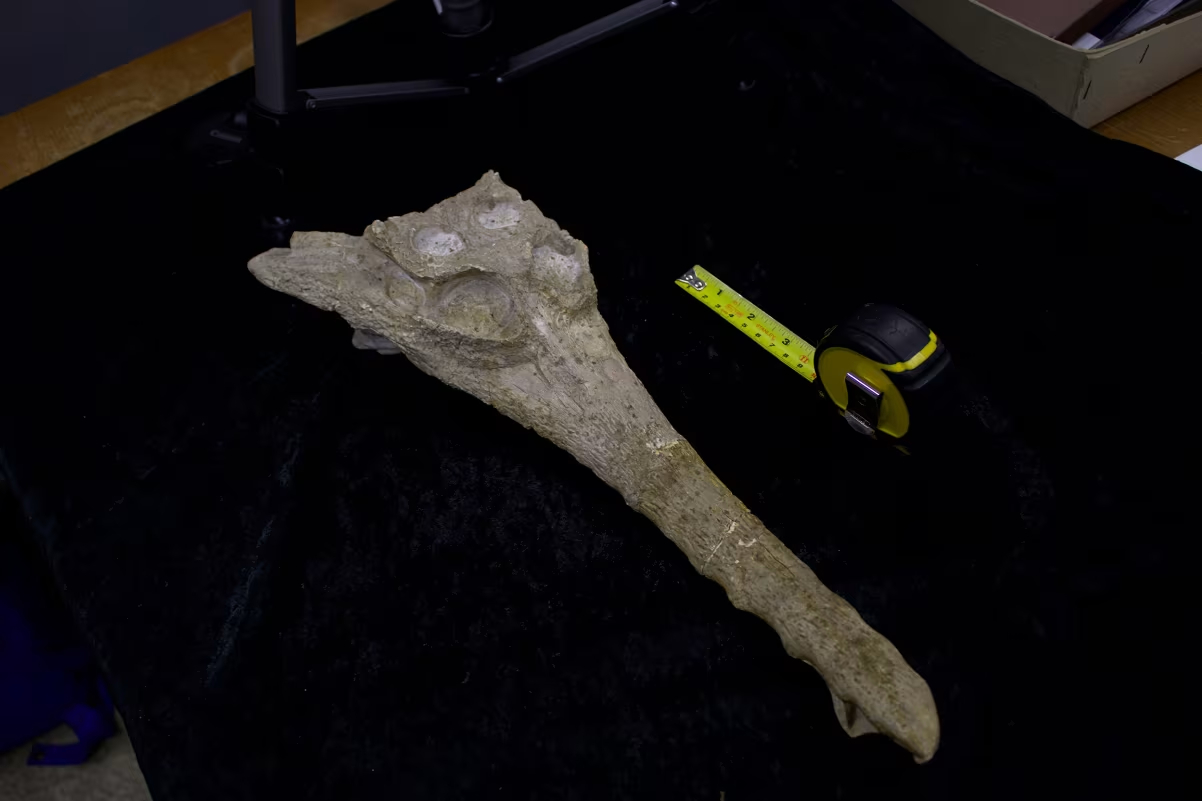
One of the key fossils examined by researchers was a nearly complete crocodilian skull first unearthed in the 1920s. The skull is missing the tip of its snout, a feature that researchers noted bears a striking resemblance to the Great Sphinx, whose nose is also missing.
The coincidental resemblance inspired the researchers to name the new genus Herugavialis, after Heru, or Horus, the ancient Egyptian god associated with the construction of the mythical creature, according to the CNN report.
Higher Education Minister Abdel Aziz Konsowa congratulated Mansoura University and the research team, saying the discovery highlighted the ability of Egyptian universities to contribute to international research and generate new knowledge in highly specialised scientific fields.
He also stressed the importance of using modern technologies to re-examine fossils and historical scientific collections, the ministry said.
The study forms part of MUVP Centre’s efforts to revisit historical Egyptian fossils preserved in museums and scientific institutions outside Egypt, using modern techniques to uncover new information about the country’s prehistoric life.
Mansoura University President Sherif Khater said the MUVP Centre’s participation in the study added to the university’s record in specialised scientific research and reflected its commitment to supporting researchers and research centres.
The ministry said it was also working to support specialised research centres, strengthen international research partnerships and enhance the global presence of Egyptian scientific research.