

Energy tech firm AIQ registering Egyptian Entity, expects to announce pilot scale-up ‘imminently’ – CEO
AIQ’s Egypt pilot predicts oil pump failures 45 days ahead, paving the way for wider deployment of its AI solutions
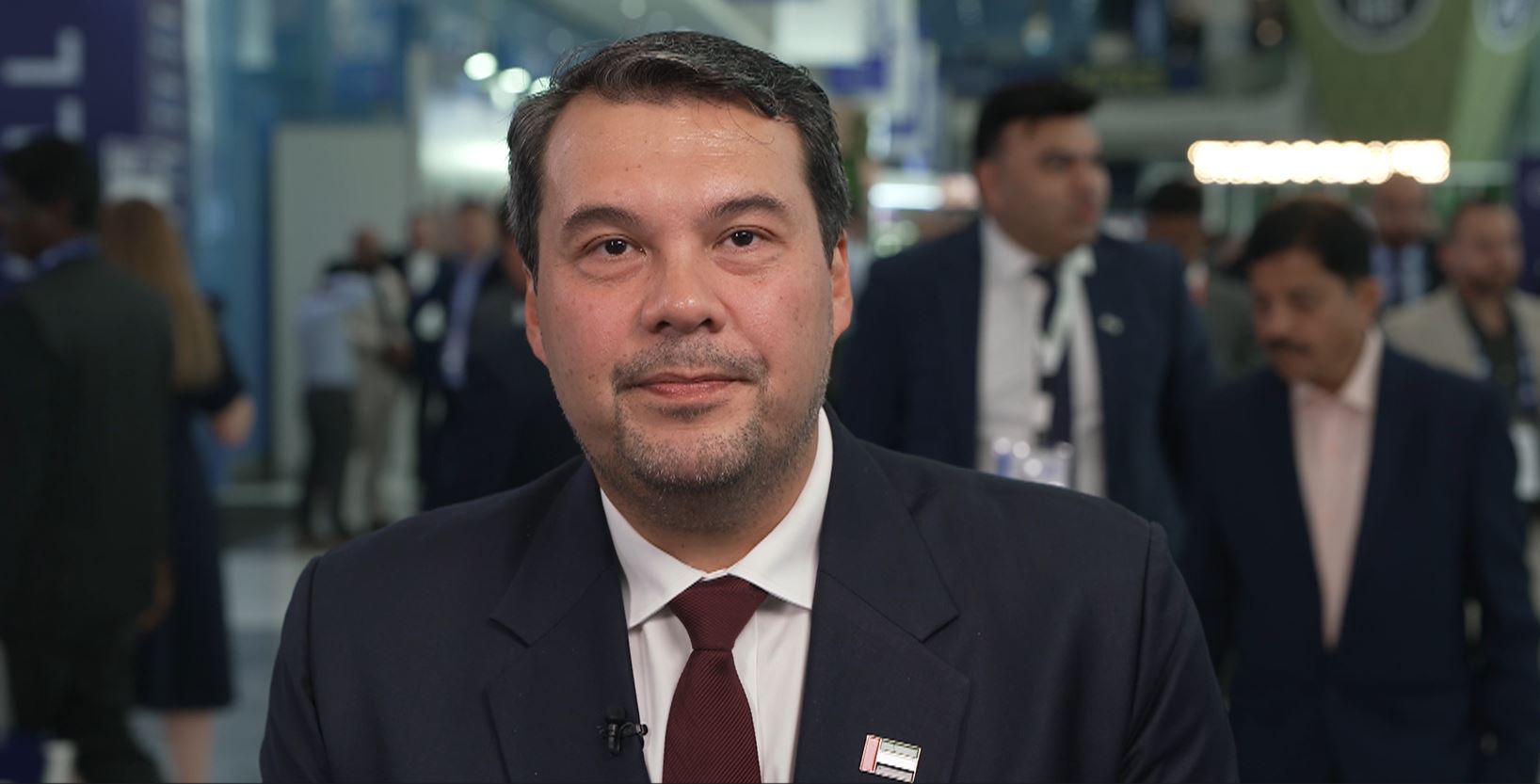
Energy-focused artificial intelligence firm AIQ is currently registering a local entity in Egypt following successful pilot programmes that predicted critical equipment failures weeks in advance, Chief Executive Officer Dennis Jol said on Tuesday.
Speaking on the sidelines of the ADIPEC 2026 energy conference in Abu Dhabi, Jol revealed that the UAE-based firm is in the process of establishing “AIQ Egypt” to enable direct commercial transactions as Cairo pushes to integrate artificial intelligence into its domestic petroleum sector.
“We’re right now in the process of registering our organisation and to be able to transact in Egypt,” Jol said. “Once we’ve got that established, I think that will be able to bring in a lot more opportunities.”
Predictive maintenance and pilot programmes
The expansion follows initial talks between AIQ leadership and Egyptian Minister of Petroleum and Mineral Resources Karim Badawi in July. Since then, the firm has deployed several proof-of-concept projects across Egypt’s oil and gas fields to solve operational bottlenecks in real time.
Among its key technical milestones, AIQ’s algorithms successfully predicted pump failures 45 days before they occurred during field tests.
“We’ve actually done quite a lot in Egypt since my meeting with Mr. Karim,” Jol noted. “We’ve had some successful pilots… So, we’re really excited about what the future brings for us.”
The company currently has a “handful” of projects underway across different deployment phases, ranging from initial testing to commercial scaling. Jol indicated that commercial announcements regarding the scale-up of these pilots are expected “imminently.”
Subsurface intelligence and capex reduction
AIQ is collaborating with multiple field operators in Egypt across four core technical domains: subsurface intelligence, production optimisation, drilling risk reduction, and facility management.
“We are actually the applied intelligence layer, and what we do is we combine different models and string them together and develop outcomes for our customers,” Jol explained.
By integrating multi-source data, the firm aims to accelerate field development planning, optimise well production, and mitigate high-cost drilling anomalies.
In downstream facilities, AIQ relies on sensor data analytics to manage inventories, automate supply chains, and maintain physical asset uptime.
“We identify stuck pipe and be able to actually predict those types of events to reduce the already capex-heavy operation,” Jol said, adding that facility AI ensures teams can “extract as much data from the different sensors to understand the different anomalies and take action to keep equipment up and running.”
Regional Ambitions
While Jol declined to disclose specific investment figures for the next three years—stating that capital commitments are being finalised directly with local clients—he highlighted Egypt’s potential to evolve into a regional hub for energy-sector AI applications.
“Ultimately, I believe that with the Egyptian leadership, with the ambition to be that hub, I think that it’s going to be a very great place to do business for us as an AI for energy business,” Jol said.
He described Egypt as “a very great market,” citing Badawi’s ambitions to deploy AI solutions in the energy sector.