


HSBC economist says Egypt’s outlook strongest in 25 years despite regional risks
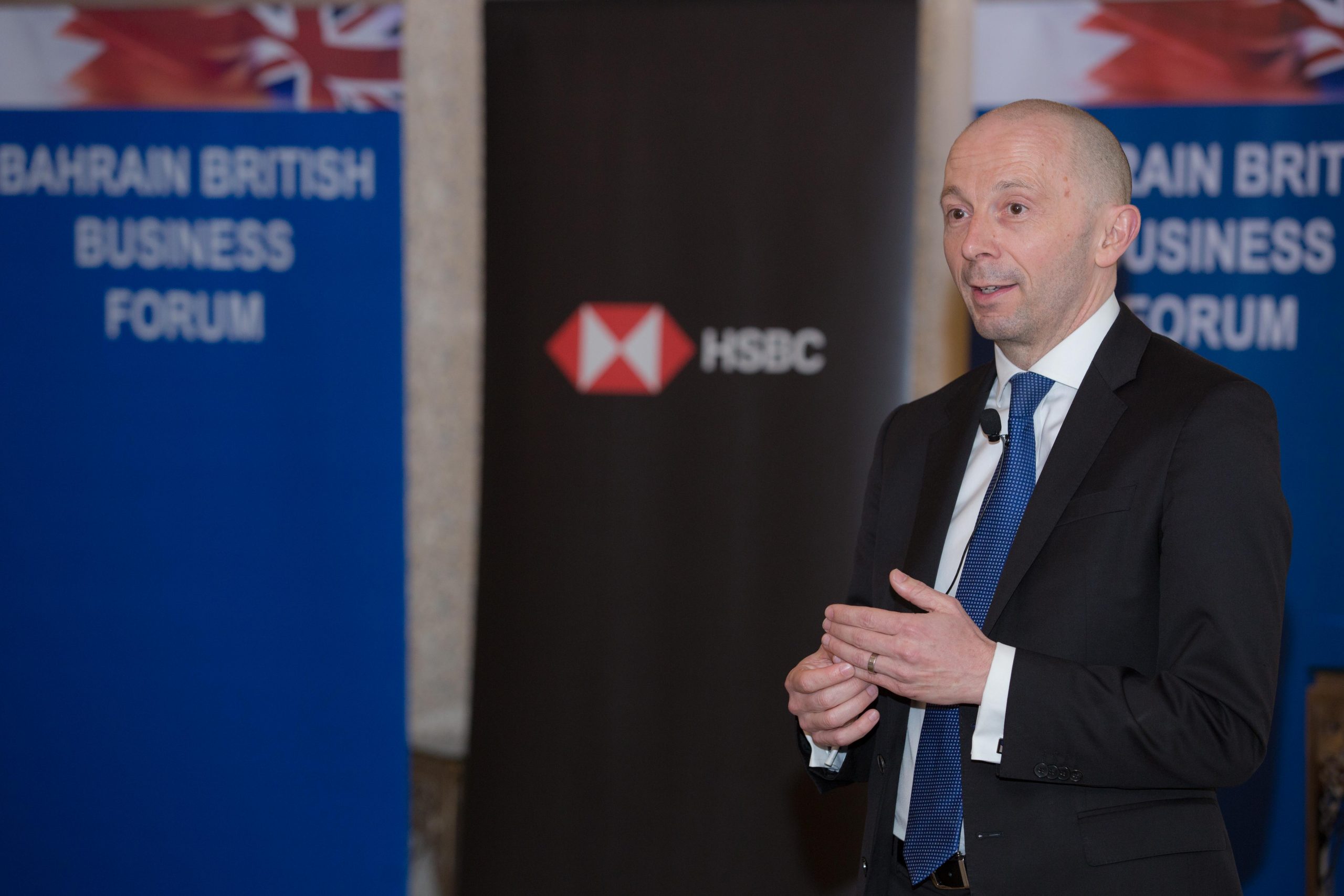
Egypt’s economic outlook is the strongest it has been in more than two decades, supported by policy reforms, a more flexible exchange-rate regime, and structural growth drivers, HSBC Chief Economist for CEEMEA Simon Williams said on Thursday.
Speaking at the British Egyptian Business Association (BEBA) UK Business Mission in London, Williams said he had followed Egypt’s economy for more than 25 years and was “undoubtedly” most positive about its economic prospects.
“This is undoubtedly the most positive I have been about the economic proposition that Egypt represents,” he noted, while acknowledging the significant challenges posed by ongoing regional instability.
He cautioned, however, that tensions in the wider Middle East, including the conflict involving Iran and its impact on Gulf economies, will inevitably create headwinds for Egypt. Slower growth in Gulf markets could affect labour demand for Egyptian workers, while elevated energy prices continue to pose challenges for the Egyptian economy. Regional uncertainty may also temporarily reduce the availability of capital from Gulf-based investors and sovereign wealth funds as they focus on developments closer to home.
Despite these challenges, he expressed confidence in Egypt’s ability to absorb external shocks, pointing to the country’s strongest-ever foreign exchange reserves, continued support from international partners, and a series of economic reforms implemented over the past two years.
He described the government’s policy response as one of the most proactive and orthodox reform programs Egypt has undertaken in decades. Anchored by the IMF-supported reform agenda but driven largely by domestic policymakers, these measures are fundamentally reshaping the economy’s resilience and long-term prospects.
He directed particular praise to Egypt’s fiscal reforms, including efforts to maintain a substantial primary budget surplus and gradually reduce public debt levels. While acknowledging that these measures have required difficult policy decisions, he argued that they are laying the groundwork for greater macroeconomic stability and stronger economic growth.
He also expressed confidence that inflation will continue to moderate despite recent upward pressures caused by global and regional developments. Unlike previous cycles, he argued, Egypt is now better positioned to contain inflationary shocks through tighter monetary policy and a more credible macroeconomic framework.
Perhaps the strongest endorsement was reserved for Egypt’s new foreign exchange regime. For years, concerns about currency stability and access to foreign exchange represented one of the biggest obstacles facing investors and businesses operating in Egypt. According to the economist, recent reforms have fundamentally changed perceptions.
He noted that during a period of considerable regional stress, the Egyptian pound was allowed to adjust according to market conditions while foreign exchange remained available and transactions continued to function normally. Although the currency experienced a significant depreciation over a relatively short period, he viewed the adjustment as evidence that the market-based system was working effectively.
“The market worked, the currency cleared, and confidence increased,” he said, arguing that the successful management of recent pressures has significantly strengthened both domestic and international confidence in Egypt’s foreign exchange framework.
This shift, he suggested, could become a major catalyst for foreign direct investment. In conversations with global institutional investors and multinational corporations, concerns about foreign exchange convertibility have historically been among the most significant barriers to investment decisions. The improved credibility of the current regime is helping to address those concerns and increase investor appetite for Egyptian assets.
Beyond macroeconomic stability, the economist highlighted Egypt’s exceptional growth potential as one of its greatest strengths. At a time when many global economies face slowing growth and aging populations, Egypt benefits from powerful demographic momentum and a broad-based economic structure.
With a population exceeding 110 million and growing by roughly two million people annually, Egypt possesses one of the most dynamic consumer and labor markets in the region. While rapid population growth presents challenges, it also creates a large workforce, expanding domestic demand, and long-term economic opportunities.
Unlike many resource-dependent economies, Egypt benefits from a diverse range of growth drivers. The economist identified significant opportunities across energy, manufacturing, services, tourism, and technology.
In the energy sector, he pointed to opportunities for increased investment in both traditional oil and gas production and renewable energy projects. Egypt’s solar and wind resources, combined with growing interest in green industrial development, could create new export opportunities and strengthen the country’s energy security.
Manufacturing was highlighted as another major area of untapped potential. Egypt’s competitive labor costs, strategic location, and improving connectivity position it well to attract export-oriented industries seeking access to regional and international markets.
The services sector also received strong praise, particularly Egypt’s growing role as a hub for outsourcing and business services. The country’s multilingual workforce and deep pool of skilled talent continue to attract multinational companies seeking high-quality operational support.
Tourism was described as one of the economy’s most underutilized assets. Despite possessing some of the world’s most renowned cultural and historical attractions, Egypt still generates significantly less tourism revenue than some competing destinations. New investments in hospitality infrastructure and major attractions, including the Grand Egyptian Museum, are expected to support future growth.
While remaining optimistic, the economist acknowledged that challenges remain. Public debt levels are still elevated, energy sector pressures require continued attention, and perceptions of regional instability can influence investment and tourism flows regardless of domestic conditions.
Nevertheless, he argued that the combination of improved macroeconomic management, policy credibility, a flexible exchange-rate regime, and exceptional growth potential places Egypt in a stronger position than at any time in recent decades.
“Egypt can and should be a higher-growth economy,” he concluded, emphasizing that the country’s long-term opportunities continue to outweigh its short-term challenges.
The remarks reinforced a central theme of the BEBA mission: that Egypt’s ongoing reforms, strategic location, and economic diversification are creating a compelling investment story for international businesses and investors looking toward the future.