

Alstom to open Egypt’s first rail electrical components factory in August
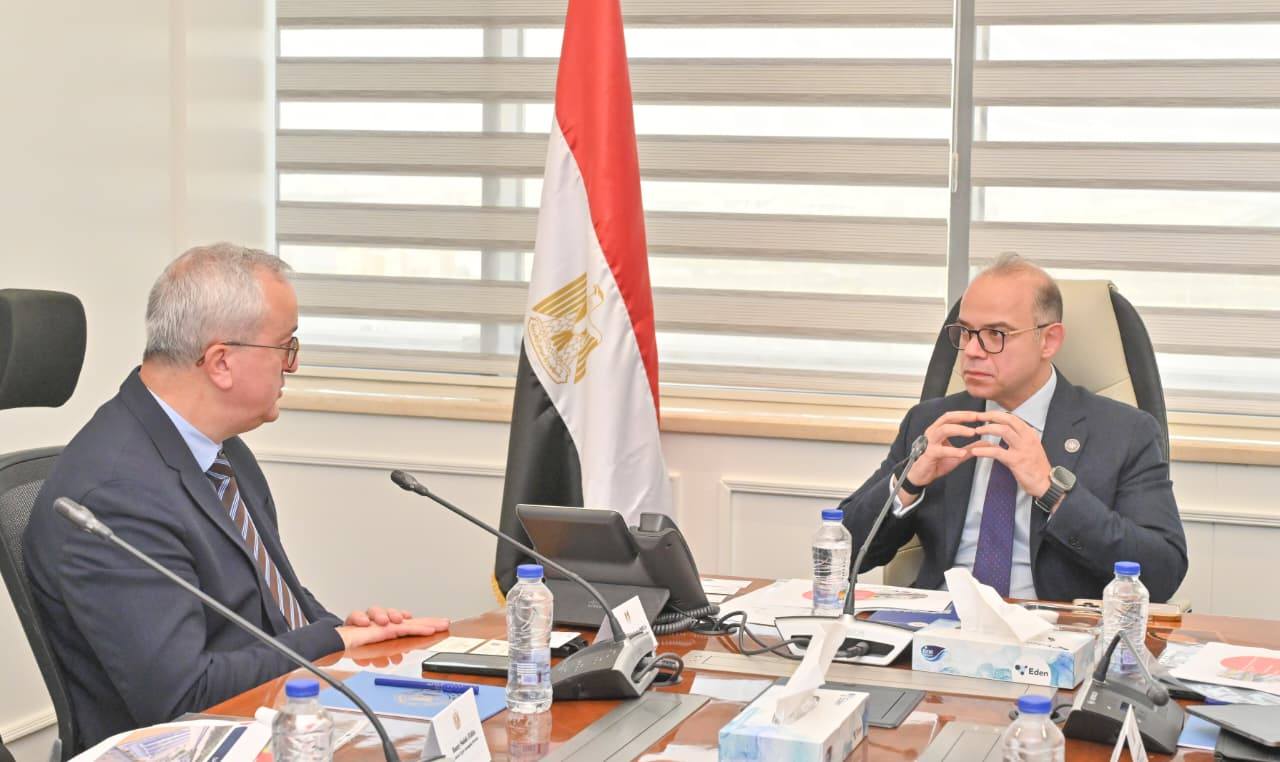
France’s Alstom plans to build its first factory in Egypt to produce electrical components for trains, as part of broader discussions with Cairo on expanding rail manufacturing and localising transport technology, the Investment Ministry said Saturday.
The planned facility, currently about 35 per cent complete, will produce and assemble electrical components for trains, including signalling and control systems, and is expected to be inaugurated in August, the ministry added.
Investment and Foreign Trade Minister Mohamed Farid met Alstom executives led by Martin Vaujour, President of AMECA (Africa, Middle East and Central Asia) region, to review the company’s expansion plans in Egypt, as Cairo seeks to position itself as a regional hub for railway manufacturing and exports.
Alstom is investing between €20 million and €25 million in the anticipated facility, which is expected to create about 400 jobs in its first phase, with nearly all output targeted for export, Vaujour said.
The talks also covered broader rail projects, including metro and monorail systems as well as signalling works. The officials said four additional contracts in the sector are close to being signed.
The monorail project has entered trial operations and is expected to begin service within weeks, the ministry said.
Farid said Egypt is prioritising the localisation of advanced industries and technology transfer, particularly in transport, and is working to develop supply chains, attract supporting industries and increase local content in manufacturing.
Alstom executives said Egypt is a strategic hub for the company in Africa and the Middle East, adding that the country will serve as an export base for nearly all production from the new facility.
The company also plans to gradually increase local sourcing to around 30 per cent, while training Egyptian engineers and workers through local and overseas programmes to transfer technical expertise.
Both sides agreed to conduct further studies on export volumes, job creation, and economic impact, as well as plans to develop a broader rail manufacturing ecosystem in Egypt.
Attribution: Amwal Al Ghad English