

Saudi Arabia weighs East-West oil pipeline expansion
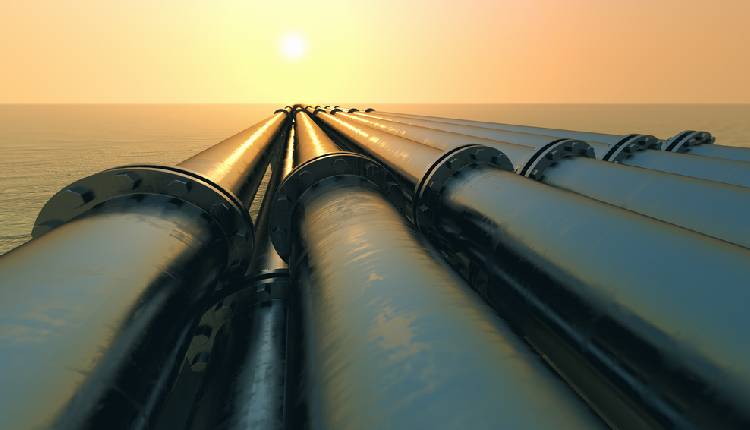
Saudi Arabia is considering expanding the capacity of its East-West crude oil pipeline to the Red Sea coast, potentially allowing the kingdom and neighbouring Gulf producers to ship more oil without relying on the Strait of Hormuz, five sources familiar with the matter told Reuters.
The pipeline, which can currently transport up to 7 million barrels per day (bpd) of crude to the Red Sea port of Yanbu, has gained strategic importance following disruptions to shipping through Hormuz amid the Iran conflict.
The kingdom is holding preliminary discussions with some neighbouring countries over a possible capacity increase of up to 2 million bpd, the sources said. The expansion could involve upgrades to existing infrastructure or the construction of additional pipelines, including a smaller line for refined products.
Kuwait, Bahrain, and Qatar, which lack independent routes bypassing Hormuz, are among the countries exploring potential cooperation. Kuwait Petroleum Corporation CEO Sheikh Nawaf al-Sabah said the country was in talks with Saudi Arabia and the United Arab Emirates to expand pipeline systems to accommodate Kuwaiti crude exports.
The project could take years, cost billions of dollars, and require adjustments to Saudi crude pricing mechanisms, according to one source. Saudi Aramco declined to comment.
Attribution: Reuters