

Egypt invests EGP 5t in electricity sector since 2014 – minister
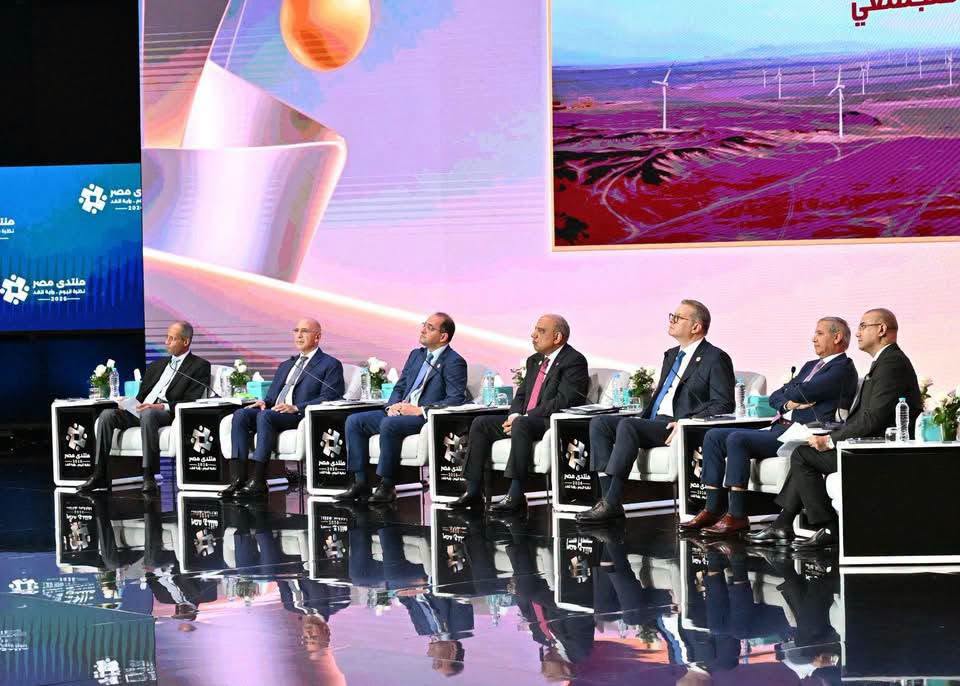
Egypt has invested approximately 5 trillion Egyptian pounds in electricity generation, transmission, and distribution since 2014, including 2.7 trillion pounds in thermal and renewable power generation and 1.6 trillion pounds in the El Dabaa Nuclear Power Plant, Electricity and Renewable Energy Minister Mahmoud Esmat said during Egypt Forum 2026.
Esmat said Egypt aims to increase renewable energy’s share of its energy mix to 45 per cent by 2028, up from the previous target of 42 per cent by 2030.
Renewable energy capacity connected to the national grid currently stands at 10.5 GW, alongside 1.1 GW of battery storage, accounting for 18 per cent of the energy mix. Total installed electricity capacity has reached 64.4 GW.
Projects underway with the private sector are expected to add 11,569 MW of wind power, 7,620 MW of solar power, and 13,220 MWh of battery storage capacity.
Esmat said operational changes and greater reliance on renewable energy and battery storage had reduced fuel consumption per kilowatt-hour from 214.09 grammes in 2014 to 174.57 grammes currently, saving more than 65 billion cubic metres of natural gas, valued at over $38 billion.
Egypt’s national electricity grid recorded peak demand of 40.2 GW in August 2026, which Esmat described as unprecedented, while maintaining stable electricity supplies.
The minister also said the Egypt-Saudi Arabia electricity interconnection project, designed to exchange 3,000 MW, has reached 100 per cent completion and is undergoing operational testing. Meanwhile, studies for a planned 3,000 MW electricity interconnection with Greece are being finalised. The Greek link is expected to reduce carbon dioxide emissions by 10 million tonnes and save 4.5 billion cubic metres of natural gas annually.
The El Dabaa Nuclear Power Plant is expected to add 4,800 MW to the national grid, providing continuous electricity generation. The project is also expected to save 7.902 billion cubic metres of natural gas annually.
Esmat said the number of electricity subscribers had reached 45.4 million, while more than 23 million subscribers use prepaid meters. Compared with 2021/2022, the average number of power outages has fallen by 19 per cent, while electricity losses declined by 4.71 per cent to 17.67 per cent in the current year.
He stressed that Egypt would not return to electricity load shedding, adding that the ministry had prepared operational scenarios to address regional geopolitical crises and was coordinating with the Ministry of Petroleum to ensure power plants could operate using available fuel supplies.
Esmat also announced the cancellation of the estimated electricity billing system and the standardisation of electricity connection cost assessment procedures across all companies.