

Egypt raises baseline export support by 35%, adds transport, insurance subsidies
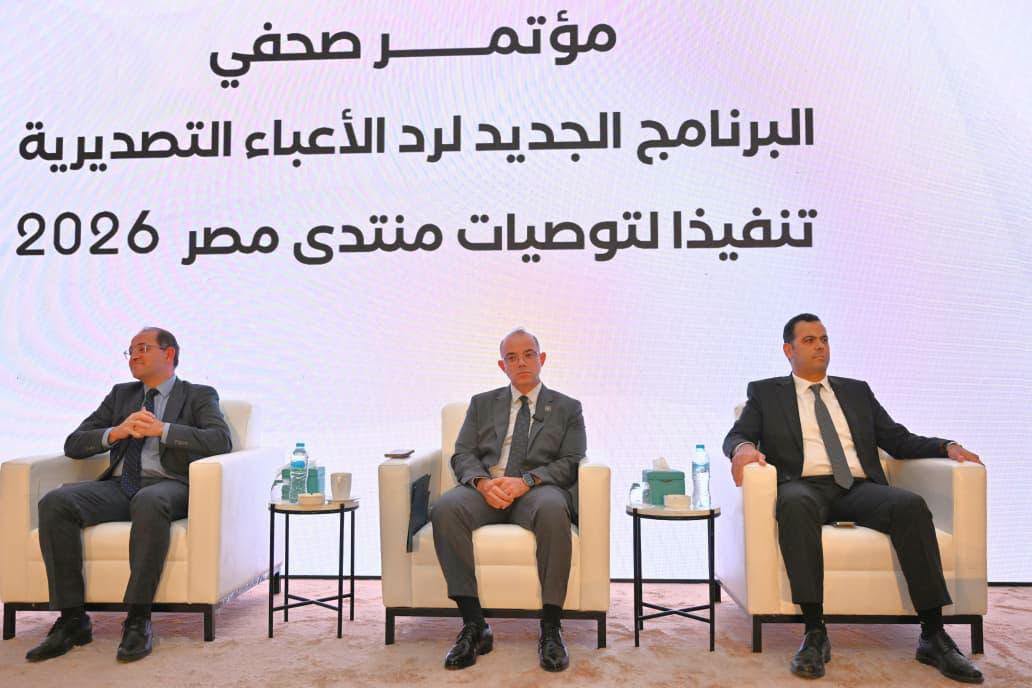
Egypt unveiled a revamped export rebate programme on Sunday, raising average baseline support for inland factories by 35% and adding first-ever subsidies for domestic transport and cargo insurance, as Cairo seeks to boost foreign currency earnings.
The Ministry of Finance said it has set aside 48 billion Egyptian pounds ($897.16 million) in the 2026/2027 budget to support exports. Export subsidies reached 28 billion pounds in the 2025/2026 fiscal year, up 55 per cent from the year before, Finance Minister Ahmed Kouchouk said.
The programme, drawn up by the Export Development Fund and approved by the Cabinet on 5 November, follows recommendations from the Egypt Forum 2026 to overhaul the support system.
“The new programme represents a qualitative leap in the export support system,” Investment and Foreign Trade Minister Mohamed Farid said, adding that it is aimed at making Egyptian products more competitive and opening new markets.
Diversifying Markets
Farid said about 80 per cent of Egypt’s exports are concentrated in a handful of markets, including the European Union, Arab countries, Türkiye, the United States and parts of Asia, a dependence he said exposes exporters to risk.
The government is encouraging expansion into South America, Africa, East Asia, and Australia while maintaining its focus on Europe, he said. He also cited rising shipping and insurance costs, additional tariffs, and growing non-tariff barriers tied to environmental and carbon-emission rules as pressures on exporters.
Shipping Support
Hatem El Nawawy, CEO of the Export Development Authority and Export Development Fund, said the programme restructures support into three pillars: basic support and incentives, shipping, and services. Key changes include:
- Support for sea and land freight doubles to 50 per cent from 25 per cent for shipments to Africa, Latin America, Australia, Southeast Asia, and Russia, and will be calculated on actual electronic invoice values rather than indicative prices.
- Roll-on/roll-off (RoRo) shipping will receive 25 per cent of invoice value, replacing fixed payments of €500 to €2,000 per truck.
- Air freight support for agricultural exports is set at 25 per cent for Europe and 50 per cent for Britain, with the allocation rising to 500 million pounds from 350 million.
- Factory-to-port transport will be backed at 25 per cent of cost, capped at 250,000 pounds per company annually, while cargo insurance will receive 25 per cent of the policy value.
Support rates for free-zone companies remain unchanged, and existing additional incentives will be kept, Farid said. Support for international exhibitions and trade missions will continue at 40 per cent to 60 per cent, depending on company size, and for training at 50 per cent to 75 per cent.
Arrears and Digitisation
Kouchouk said the government paid 12.6 billion pounds in cash to about 2,500 exporting companies last fiscal year, covering the first and second instalments of overdue payments owed to exporters. Delayed payments have long been a grievance among Egyptian exporters.
Farid said the ministry aims to fully digitise the Export Development Fund’s procedures within six to eight months, integrating with the Finance Ministry’s systems so exporters can file applications and documents online without resubmitting paperwork.
Kouchouk said increases in support rates are tied to the economic returns they generate. The government will review the programme at the end of the 2026/2027 fiscal year to assess its effectiveness, El Nawawy said.