

Egypt’s population growth makes new cities a necessity, Savills economist says
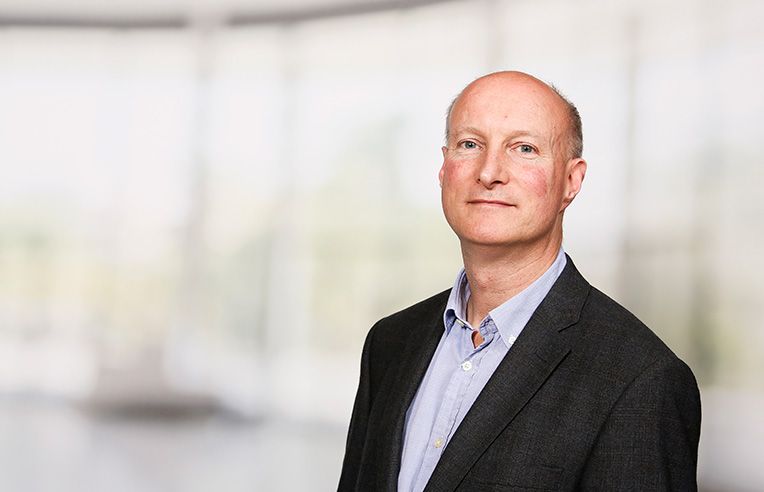
Egypt’s rapid population growth and urbanisation are creating sustained demand for new cities, making their development an economic necessity rather than a policy choice, Rory Brooke, Head of Economics at Savills, said on Wednesday.
Speaking during the British Egyptian Business Association’s (BEBA) 2026 Business Mission to the United Kingdom, Brooke said Egypt’s urban expansion strategy is supported by powerful demographic and economic fundamentals, particularly in Greater Cairo, one of the fastest-growing metropolitan areas in the region.
“Greater Cairo is growing by around 430,000 people every year,” he noted, adding that the increase is equivalent to adding an entire medium-sized Egyptian city annually.
With Egypt’s population exceeding 110 million and Greater Cairo home to around 27 million residents, the capital continues to face mounting pressure on housing, infrastructure, and public services, he said. Cities such as Port Said and Suez have populations of roughly 800,000 and 700,000, respectively, meaning Cairo’s annual population growth is comparable to creating a substantial new city every two years.
Brooke said these demographic trends provide a strong foundation for Egypt’s new urban communities, which are increasingly playing a central role in accommodating population growth and easing pressure on existing urban centres. Around 3.4 million people are estimated to already live in Egypt’s new urban communities, underscoring their growing importance within the country’s urban landscape.
He also highlighted the scale of Egypt’s New Capital, noting that the first phase alone is expected to deliver around 20 million square metres of commercial floor space.
To illustrate the project’s magnitude, Brooke compared it with Greater London, which has roughly 40 million square metres of office and commercial space in total. The first phase of the New Capital would therefore represent nearly half of London’s entire commercial footprint.
Brooke said the government’s strategy of decentralising Cairo and redistributing population and economic activity to new development zones is becoming increasingly important to support long-term economic growth and urban sustainability.
However, he cautioned that successful urban development requires more than infrastructure investment. From an economic geography perspective, policymakers must continuously assess the needs of businesses, investors, and occupiers when planning new cities.
Different sectors have different location requirements, he said. While some companies may benefit from the modern infrastructure, logistics connectivity, and transportation networks offered by new urban communities, others may continue to prefer the dense commercial ecosystems, established business networks, and mixed-use environment found in historic Cairo.
As a result, maintaining close dialogue with both domestic businesses and international investors is essential to ensuring that urban development aligns with market demand and economic efficiency.
Brooke said Egypt’s urban development strategy has evolved beyond traditional real estate projects and is increasingly focused on creating integrated communities that combine housing, employment, education, healthcare, transportation, and commercial activity within sustainable urban ecosystems.
He added that the combination of strong demographic growth, rising urbanisation needs, and long-term government planning provides a compelling case for continued investment in Egypt’s new cities. The key challenge, he said, will be ensuring that these developments remain responsive to the needs of residents, businesses, and investors as they evolve into major economic centres.
The discussion took place during a session titled “Building Egypt’s Future Cities: Investment, Infrastructure, and Integrated Communities” and brought together Minister of Housing Randa El-Menshawy, Rory Brooke, Head of Economics at Savills, Osman Evren Arikan, Managing Director of Polaris International Industrial Parks, and Hazem Helal, Chief Executive Officer of O West, Makadi Heights and Bayoum at Orascom Development Holding (ODH), to examine the role of urban development, infrastructure investment, and integrated communities in supporting Egypt’s long-term economic growth.