

Egypt’s Red Sea coast could become hub for tourism, energy and data centres – Tatweer Misr CEO
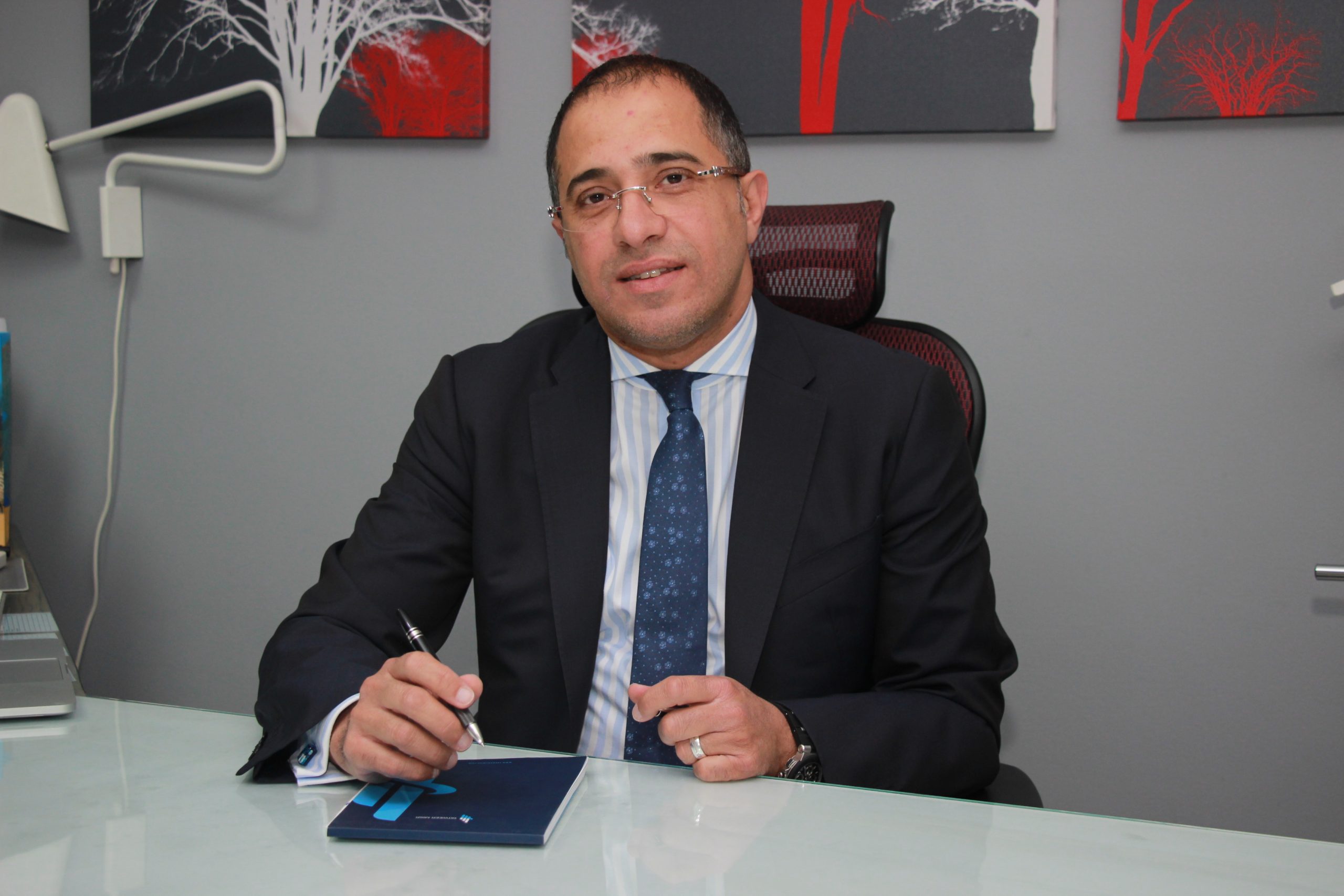
Egypt’s Red Sea coastline has the potential to become a major hub for tourism, renewable energy, data infrastructure, and integrated urban development, creating opportunities for international investors, including British companies, Ahmed Shalaby, chief executive of Tatweer Misr, said Wednesday.
Speaking at a panel titled “Where Global Capital is Entering Egypt Now” during the British Egyptian Business Association’s (BEBA) business mission to the United Kingdom, Shalaby said Egypt was beginning to realise the benefits of more than a decade of investment in infrastructure, transport networks, and ports.
“Egypt is ready to move forward,” he said, pointing to large-scale developments along the Red Sea coast and government efforts to create new economic centres beyond the Nile Valley.
He cited Al Galala City on the Gulf of Suez, linked to the New Capital, as an example of Egypt’s fourth-generation smart city strategy. He said Tatweer Misr had recently launched a new development phase including residential towers, hotels, serviced apartments, a convention centre, and leisure facilities.
Shalaby said demand for the project had exceeded expectations, with sales reaching around 600 million Egyptian pounds in the first quarter, largely driven by the coastal development.
He said the strong performance had supported plans to expand the project to include healthcare, education, entertainment, and lifestyle components, reflecting growing demand for mixed-use developments combining residential, tourism, and services.
Shalaby said the Red Sea remains one of Egypt’s most underutilised economic assets, despite its strategic location and coastline of more than 1,200 kilometres. He said it could support interconnected economic clusters linking tourism, logistics, renewable energy, and technology investment.
He also pointed to renewable energy potential in southern Egypt, citing high solar irradiation and access to deep-water cooling that could support energy-intensive facilities such as data centres. Over time, he said, Egypt could become a net exporter of green energy to Europe.
While real estate often attracts the most attention, Shalaby said it should be viewed as a catalyst for broader economic development rather than purely housing construction.
“We are not developing houses; we are developing houses, hospitals, hotels, offices, and education facilities. So it’s integrated urban development,” he said.
He said UK firms already play a role in Egypt’s development sector through partnerships in master planning, architecture, and urban design, and that these ties could be expanded into emerging segments.
Shalaby identified senior living communities, retirement housing, healthcare facilities, and wellness-focused developments as promising areas for investment, citing Egypt’s climate, healthcare capacity, and cost competitiveness.
However, he said further investment in healthcare services, transport infrastructure, and insurance systems would be needed to support demand from retirees and long-term residents.
He also highlighted the potential role of real estate investment trusts (REITs) in mobilising capital for the sector, including expanding their use beyond traditional property assets to industrial parks and economic zones.
Shalaby said regulatory reforms, including closer coordination with the Financial Regulatory Authority (FRA) and a broader development framework, would be needed to support that expansion.
He said such measures would improve transparency, strengthen investor protection, and support the next phase of growth in one of Egypt’s fastest-growing sectors.