

OVERVIEW: Egypt’s new bulk carriers Wadi Al-Nil and Wadi Al-Qamar
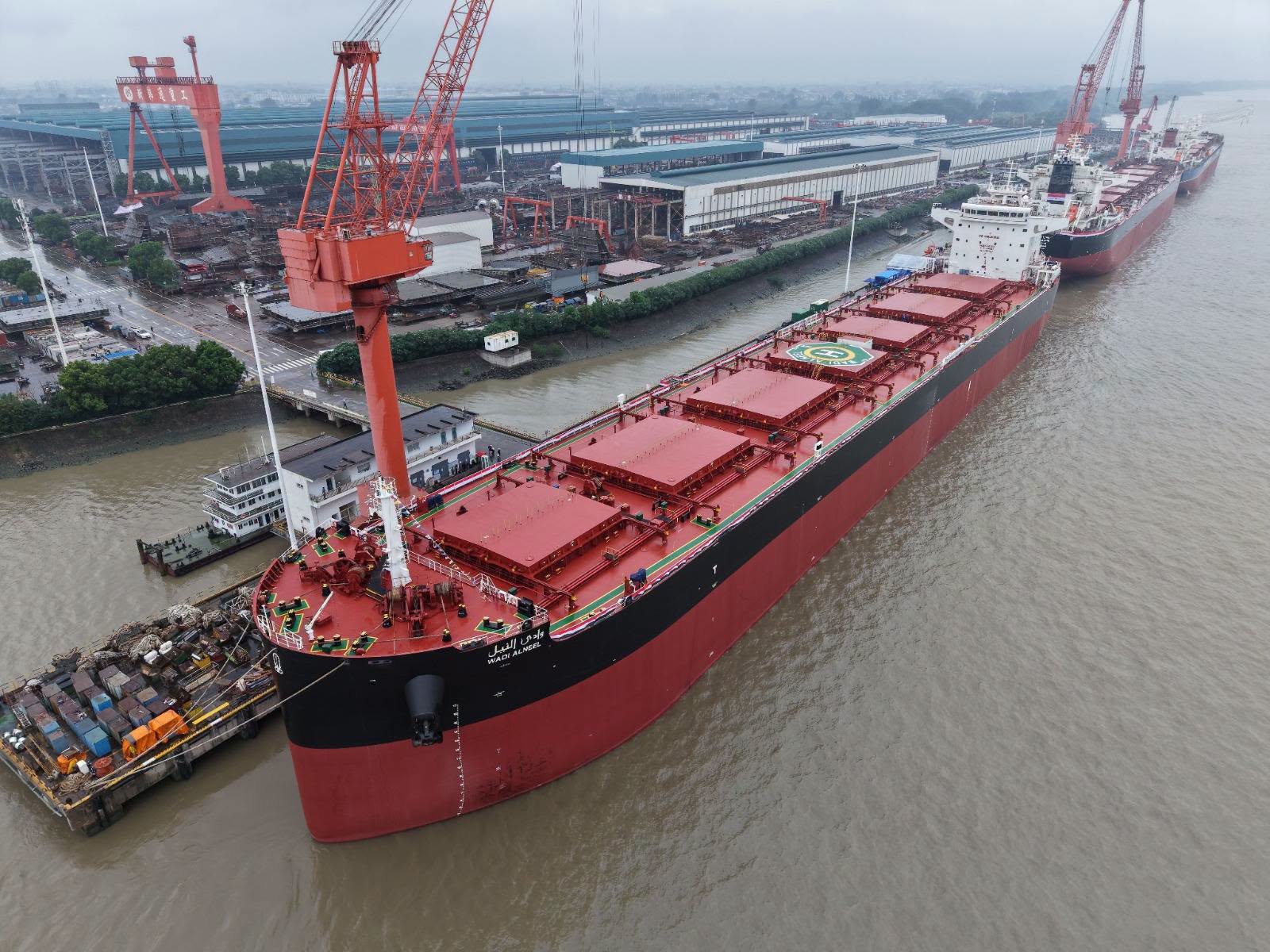
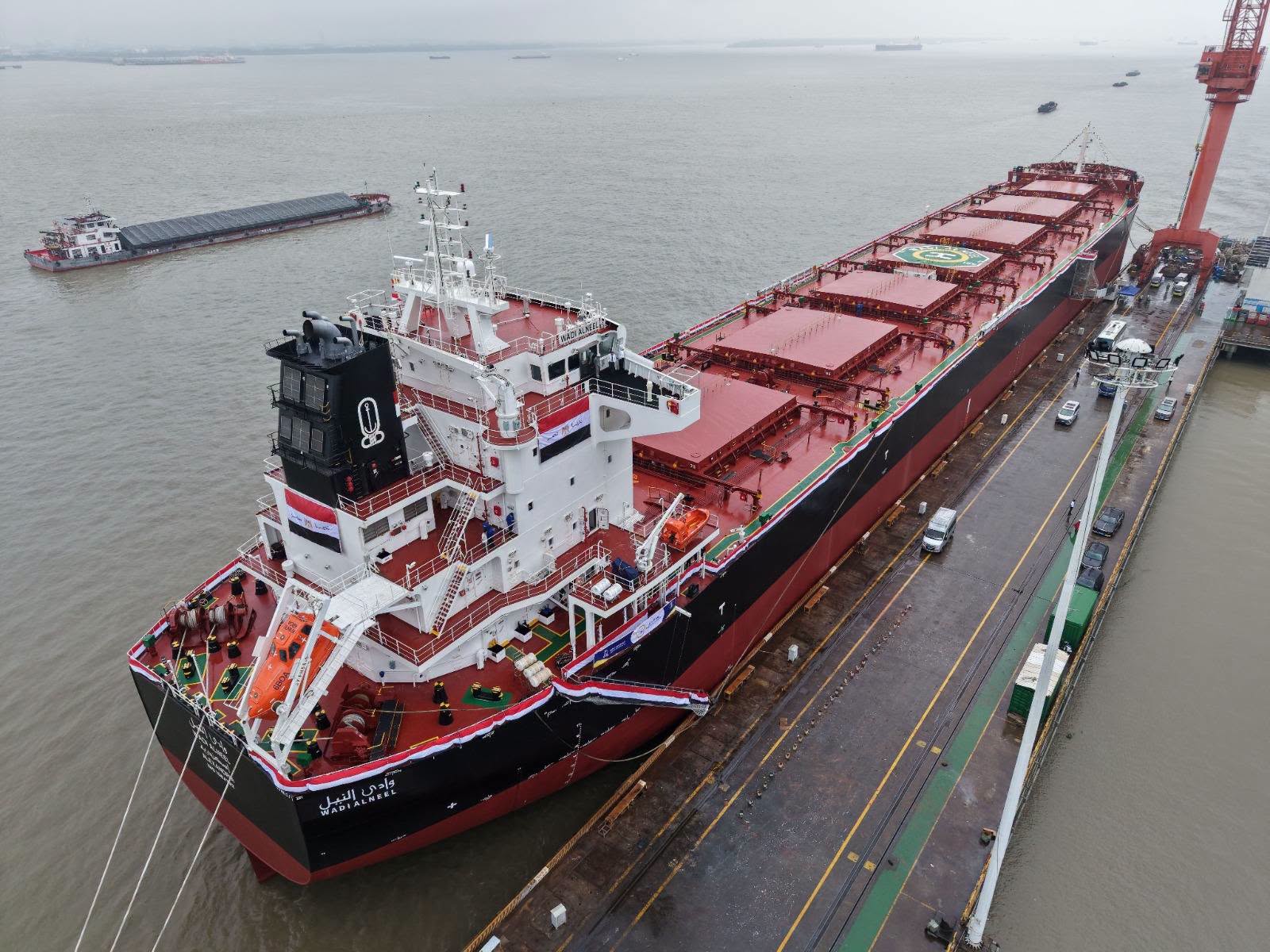
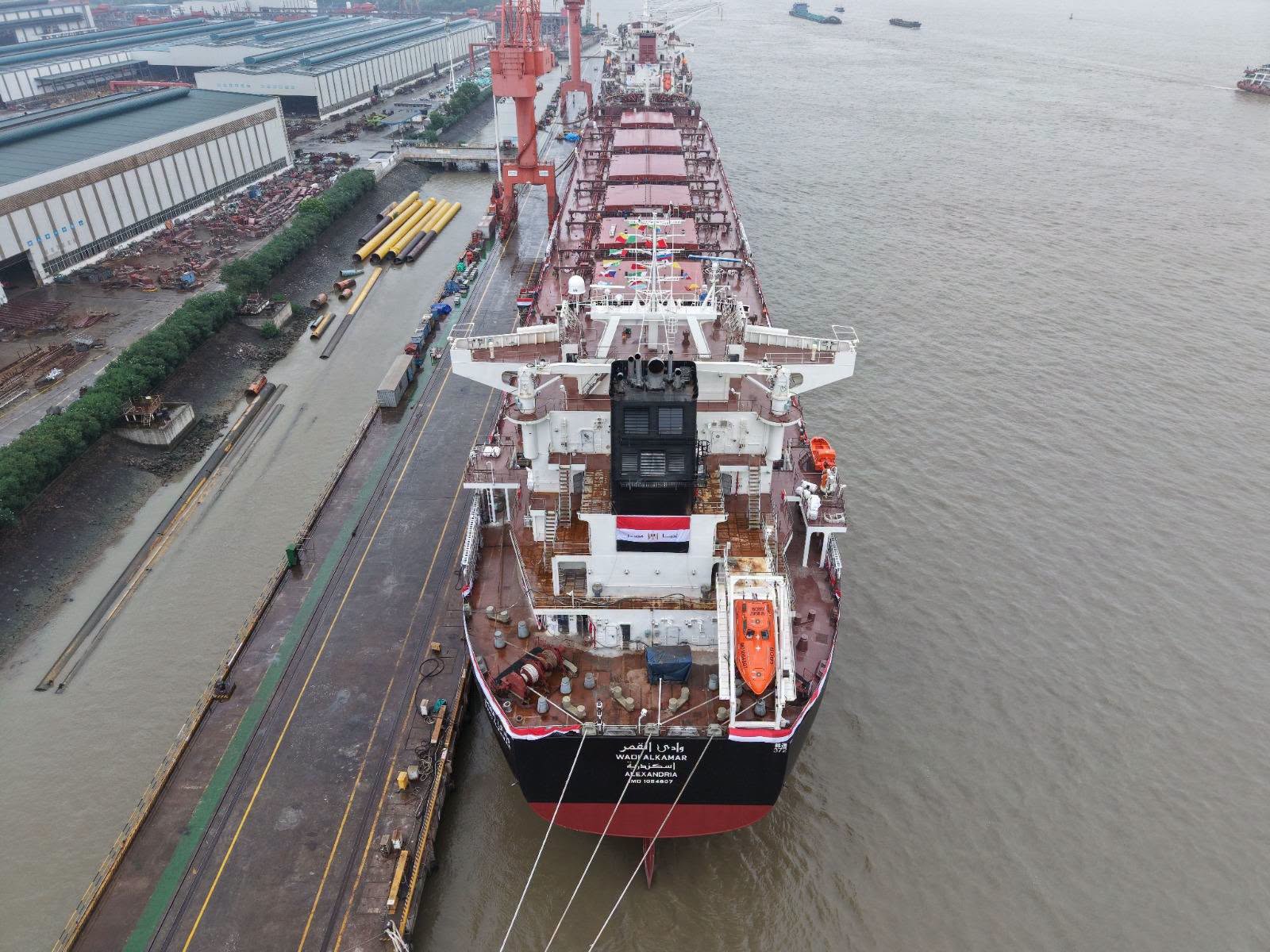
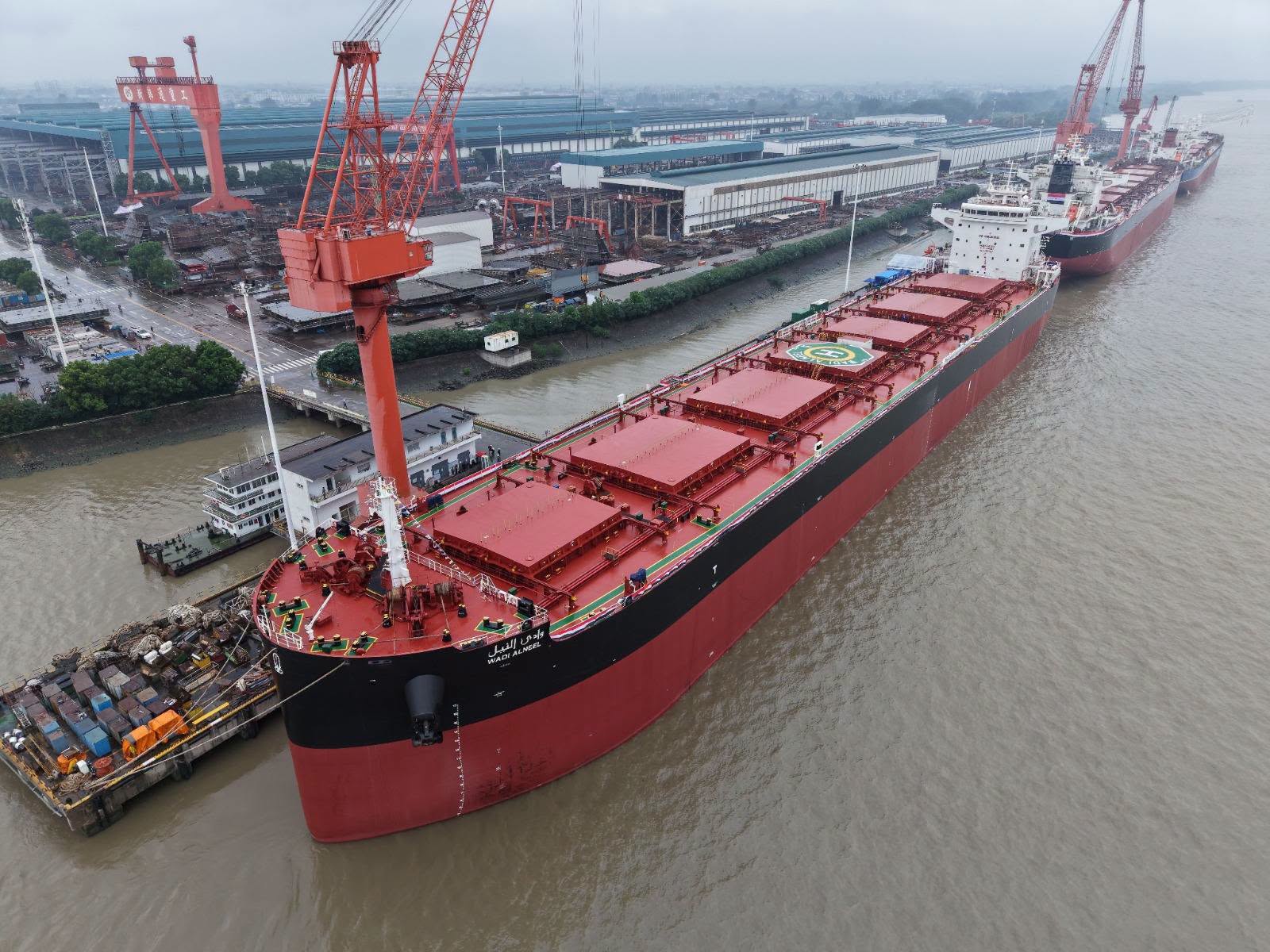
Egypt’s National Navigation Company has taken delivery of two new dry bulk carriers, Wadi Al-Nil and Wadi Al-Qamar, from China’s Jiangsu New Hantong Ship Heavy Industry Co., Ltd. (NHT), as part of a government plan to expand the country’s merchant fleet.
Here are key facts about the vessels, according to data released by the Cabinet’s Media Centre on Monday.
The vessels
- Names: Wadi Al-Nil and Wadi Al-Qamar
- Type: Dry bulk carriers
- Class: KAMSARMAX
- Deadweight tonnage: 82,000 tons each
- Length: 229 metres each
- Beam: 32.26 metres
- Draft: 14.5 metres
- Builder: Jiangsu New Hantong Ship Heavy Industry Co., Ltd. (NHT), China
Ministry of Transport Photos
Prev 1 of 4 Next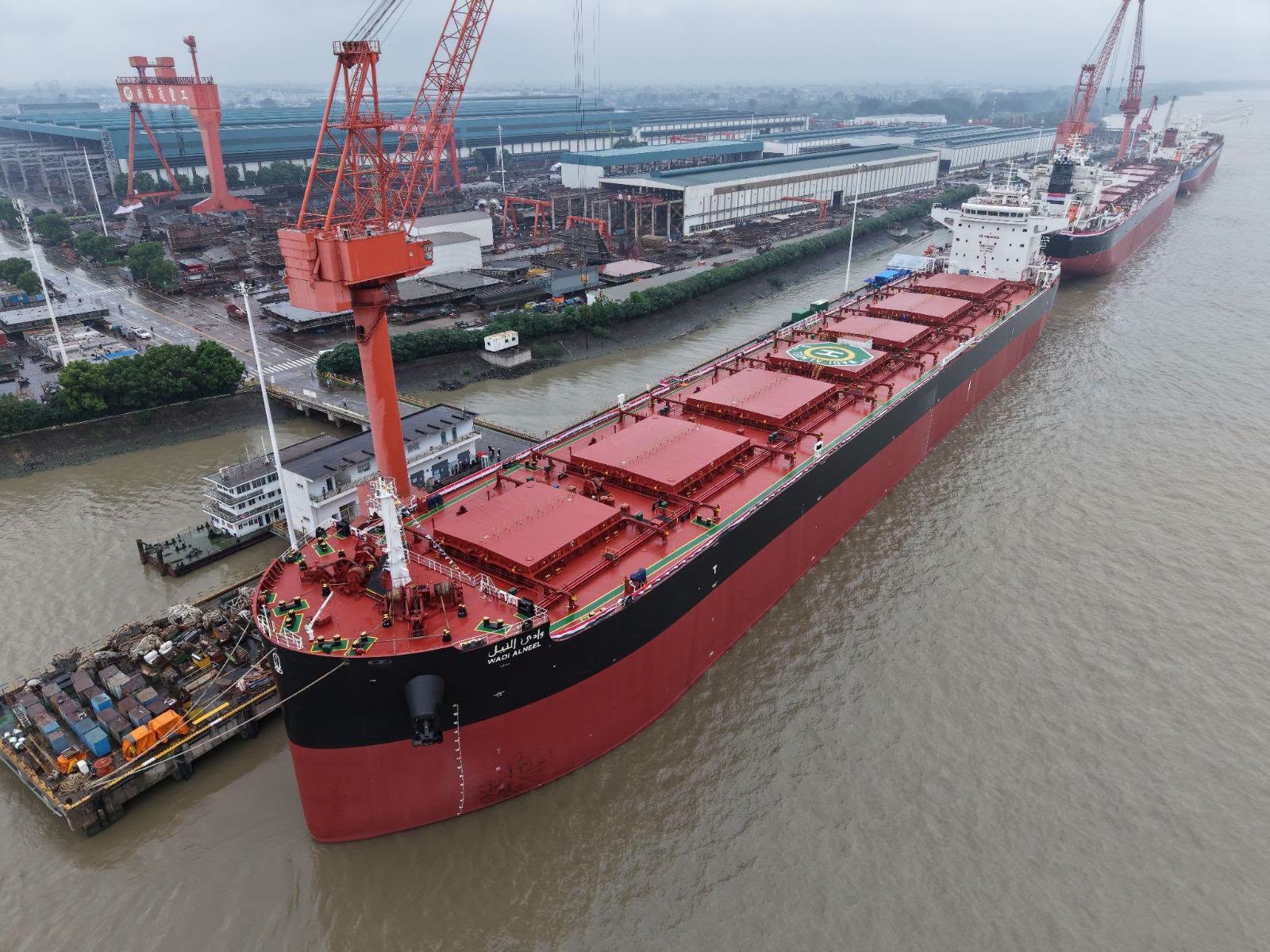
Engines and navigation
- Main engine: MAN B&W
- Power: 7,490 kilowatts
- Emissions technology: Selective Catalytic Reduction (SCR) systems to reduce emissions and comply with applicable international environmental requirements
- Navigation: Integrated navigation and communications systems
- Engine monitoring: Systems for monitoring and controlling engine performance
Environmental systems
- Ballast water: Both vessels are equipped with Ballast Water Management Systems designed to limit the transfer of marine organisms between ecosystems.
- Environmental compliance: The vessels comply with applicable international environmental requirements and conventions.
Fuel and endurance
- Fuel capacity: 2,054 cubic metres per vessel
- Voyage endurance: Up to 90 days without stopping
- Desalination: Each vessel has an integrated seawater desalination plant with a capacity of 20 tons per day
Egypt’s merchant fleet expansion
- Fleet strategy: The deliveries are part of Egypt’s plan to strengthen its national merchant fleet and increase its capacity to serve domestic and international trade.
- 2030 target: The Transport Ministry aims to expand the fleet to 40 fully owned vessels by 2030.
- Government objective: The expansion is intended to improve cargo-transport efficiency, meet growing maritime trade needs, and expand Egypt’s presence in regional and international markets.