

Egypt eyes AI, data centre boom to broaden investment beyond major cities – minister
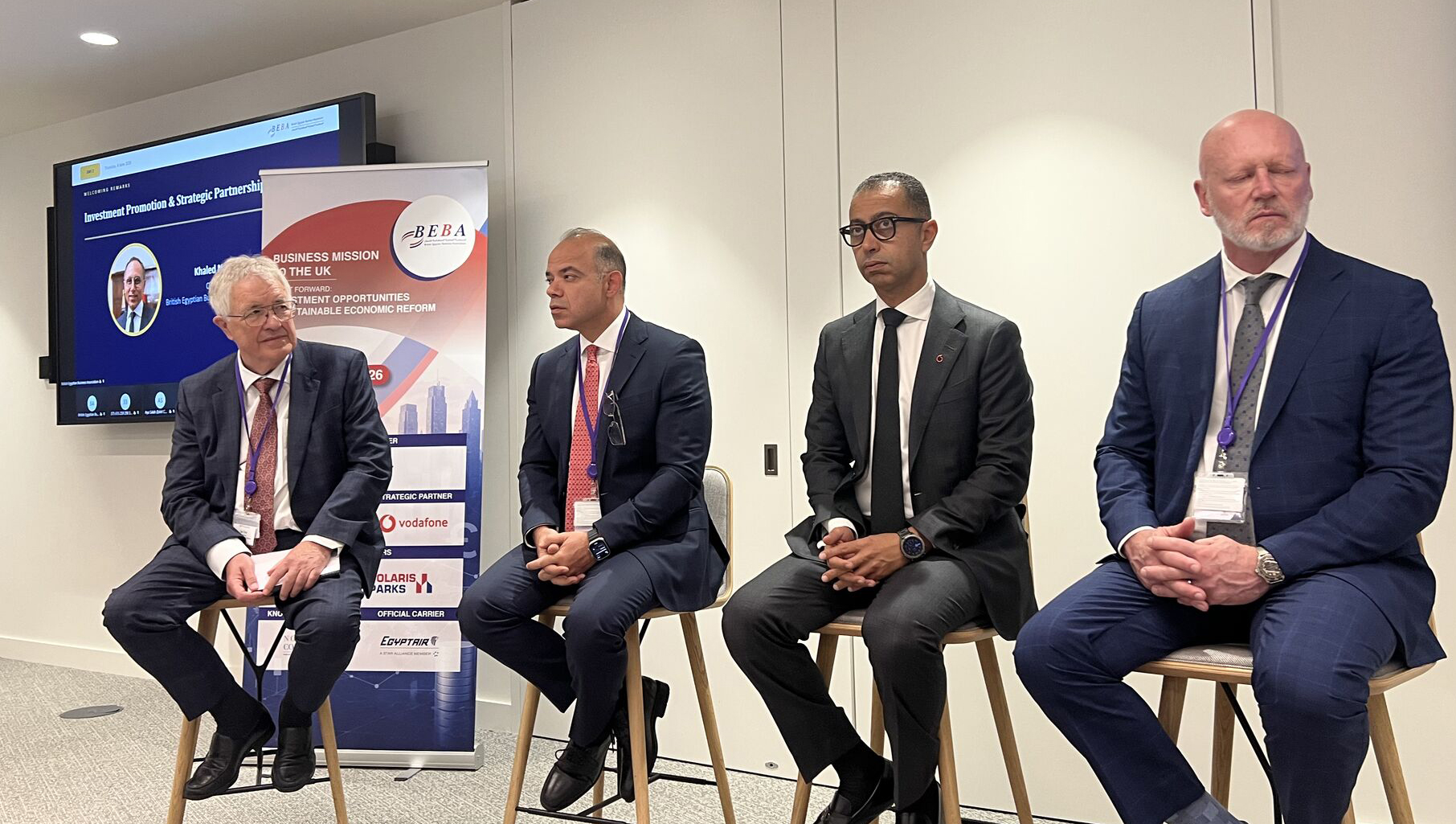
Egypt is positioning itself as a regional hub for artificial intelligence, data infrastructure, and digital services while seeking to channel more investment into underserved regions through specialised investment zones, Investment and Foreign Trade Minister Mohamed Farid said on Thursday.
Speaking during the “Digital Egypt: Infrastructure, Innovation and Investment Opportunities” session at the British Egyptian Business Association’s (BEBA) UK Business Mission, Farid said digital transformation had become a central pillar of Egypt’s economic development strategy and a key driver of future investment.
“The future is digital,” he said, emphasising that economic reforms, investment promotion, and business facilitation cannot succeed without modern digital infrastructure and efficient digital services.
“AI is coming, it’s over, we need to rely on it.”
The minister said Egypt’s information and communications technology sector has recorded double-digit growth for seven to eight consecutive years, with its contribution to gross domestic product doubling over the past decade to around 6 per cent.
Farid said Egypt’s geographic location gives it a competitive advantage in the rapidly expanding market for data centres and artificial intelligence infrastructure, noting that a large share of global submarine telecommunications cables linking Europe, Asia, Africa, and the Middle East pass through Egyptian territory.
To capitalise on that position, the government is adopting a coordinated approach that combines land allocation, investment incentives, infrastructure planning, and financing support. Rather than relying solely on public investment, Egypt aims to attract private-sector developers capable of building integrated projects that combine data centres with dedicated renewable energy generation and storage solutions.
“We need to think outside the box,” he said, explaining that many global operators increasingly prefer to develop their own renewable energy facilities to ensure reliable and sustainable power supplies.
Alongside infrastructure development, Farid outlined plans to streamline government services through greater digital integration. He said authorities are working on an Economic Data Platform that would provide companies with a single electronic profile containing licenses, permits, and regulatory documentation, reducing administrative burdens and improving the investment environment.
The government is also expanding the use of electronic Know Your Customer (eKYC), electronic Know Your Business (eKYB), digital signatures, and electronic contracts as part of broader efforts to modernize public services and facilitate business operations.
Farid also announced plans to launch a “TradeTech Sandbox” to encourage technology firms and entrepreneurs to develop artificial intelligence-based solutions for exporters. The platform would provide access to government trade and logistics data, enabling companies to identify export opportunities, optimize supply chains, and improve access to international markets.
While highlighting opportunities in the digital economy, the minister stressed that Egypt’s long-term development strategy also seeks to ensure investment reaches regions beyond the country’s traditional economic centres.
He said many investment incentives and development tools remain underutilized because investors are often unaware of the opportunities available, particularly within Egypt’s network of investment zones.
Farid described the zones as a key mechanism for attracting industries and private-sector investment to governorates outside Cairo, Alexandria, and Giza, helping create jobs and stimulate economic activity in emerging economic centres.
“To create real impact, investment and jobs must move closer to where people live,” he said, highlighting the need to attract businesses and industrial activity to regions outside Egypt’s traditional economic hubs.
The minister encouraged British companies to explore opportunities in Egypt’s investment zones and work closely with the General Authority for Investment and Free Zones (GAFI) to better understand available incentives and infrastructure support.
He said balanced regional development, digital transformation, and private-sector-led investment remain central components of Egypt’s economic strategy as the country seeks to strengthen competitiveness, expand exports, and attract new foreign capital.