

Egypt signs private-sector deals for 20,000 affordable homes in 8 cities
The agreements follow Sisi’s directives at Egypt Forum 2026 to expand affordable housing through private-sector partnerships.
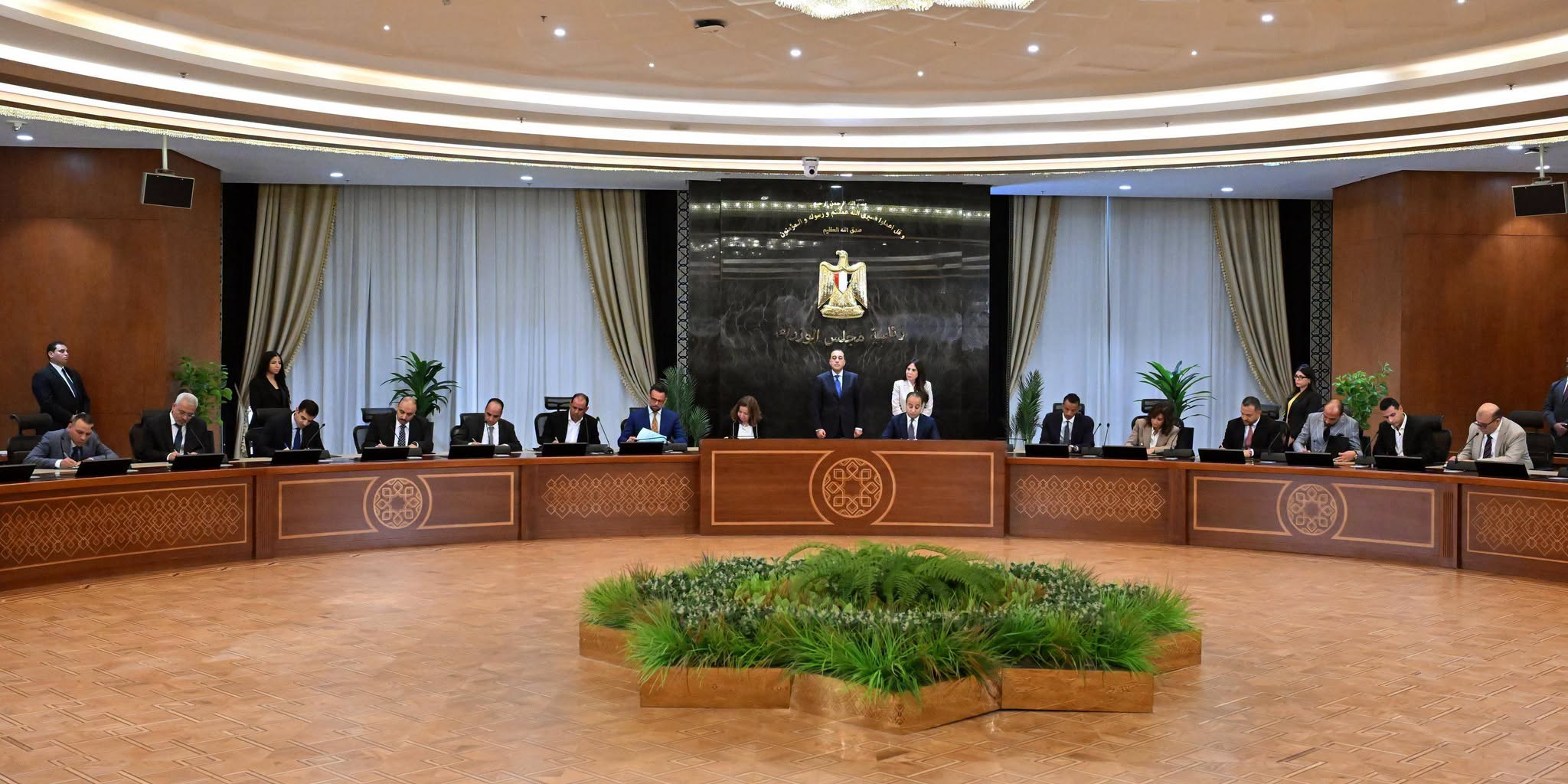
Egypt has signed partnership agreements with private real estate developers to build about 20,000 affordable housing units across eight new cities under President Abdel Fattah El-Sisi’s Housing for All Egyptians Initiative, the Cabinet said on Tuesday.
Prime Minister Moustafa Madbouly and Housing Minister Randa El-Menshawy witnessed the signing ceremony at the government headquarters in the New Capital, following directives issued by Sisi at Egypt Forum 2026.
The agreements bring together the New Urban Communities Authority (NUCA), the Social Housing and Mortgage Finance Fund (SHMFF), and private-sector developers, as the government seeks to expand affordable housing through public-private partnerships.
The agreements were signed by Ahmed Reda Emara, supervisor of the real estate and commercial affairs sector at the NUCA, and Mai Abdel Hamid, chief executive of the SHMFF, alongside representatives of the participating companies.
The private-sector signatories included Ashraf Farag for Construction and Real Estate Development, Arab Developers Holding – owner of Neom Pyramids Project, Saudi Tamas, NCM Construction, Enco Misr, Nawassy (N Developments), Opal General Contracting, ElHejaz, Al-Agouza General Contracting Company, El Masria Group Development, ElSalam for Contracting, Al Fedaa Company, Mohamed Nageh Abdel Rabbo Contracting, and BADRY Group.
Deputy Housing Minister Walid Abbas and World Bank officials also attended the ceremony.
El-Menshawy said the initiative was designed to mobilise private-sector expertise and expand the sustainable supply of suitable housing for Egyptian citizens. The agreements reflected the government’s broader policy of involving private companies in development projects and strengthening their role in delivering different housing options, she added.
The model divides responsibilities among the participating entities to preserve the programme’s social objectives while drawing on private developers’ implementation capabilities, she said.
Under the scheme, 80 per cent of each project will be allocated to affordable housing units offered to eligible beneficiaries at prices and under conditions set by the SHMFF. The remaining 20 per cent will be designated for residential units or commercial activities marketed at prevailing market prices, providing developers with an investment return, Abdel Hamid said.
Developers will be offered land at preferential prices to reduce development costs and balance the government’s social housing objectives with the need to sustain private-sector participation, she added.
In the first phase, 104 real estate development companies submitted 137 applications to reserve 17 land plots, targeting the construction of about 20,000 housing units across eight new cities, Abdel Hamid said.
Eligible buyers will be able to access mortgage financing at a declining interest rate of 8 per cent, with repayment periods of up to 20 years, she added.
The scheme is intended to make affordable housing projects economically viable for developers while keeping most units accessible to eligible low-income households.
Alwaleed Alatabani, World Bank’s Division Director for Egypt, Yemen, and Djibouti, said the initiative was part of SHMFF’s efforts to develop housing finance for low- and lower-middle-income groups.
Private-sector partnerships are a key component of the fund’s broader financial inclusion programme with the World Bank, which has provided $1 billion in financing since 2014, he said.
The programme aims to improve housing finance mechanisms, widen access to financing, support low-income households and attract further investment to meet demand for adequate housing, Alatabani added.