

Egypt unveils EGP 1.4 tln AI-powered ‘The Spine’ business hub in New Cairo
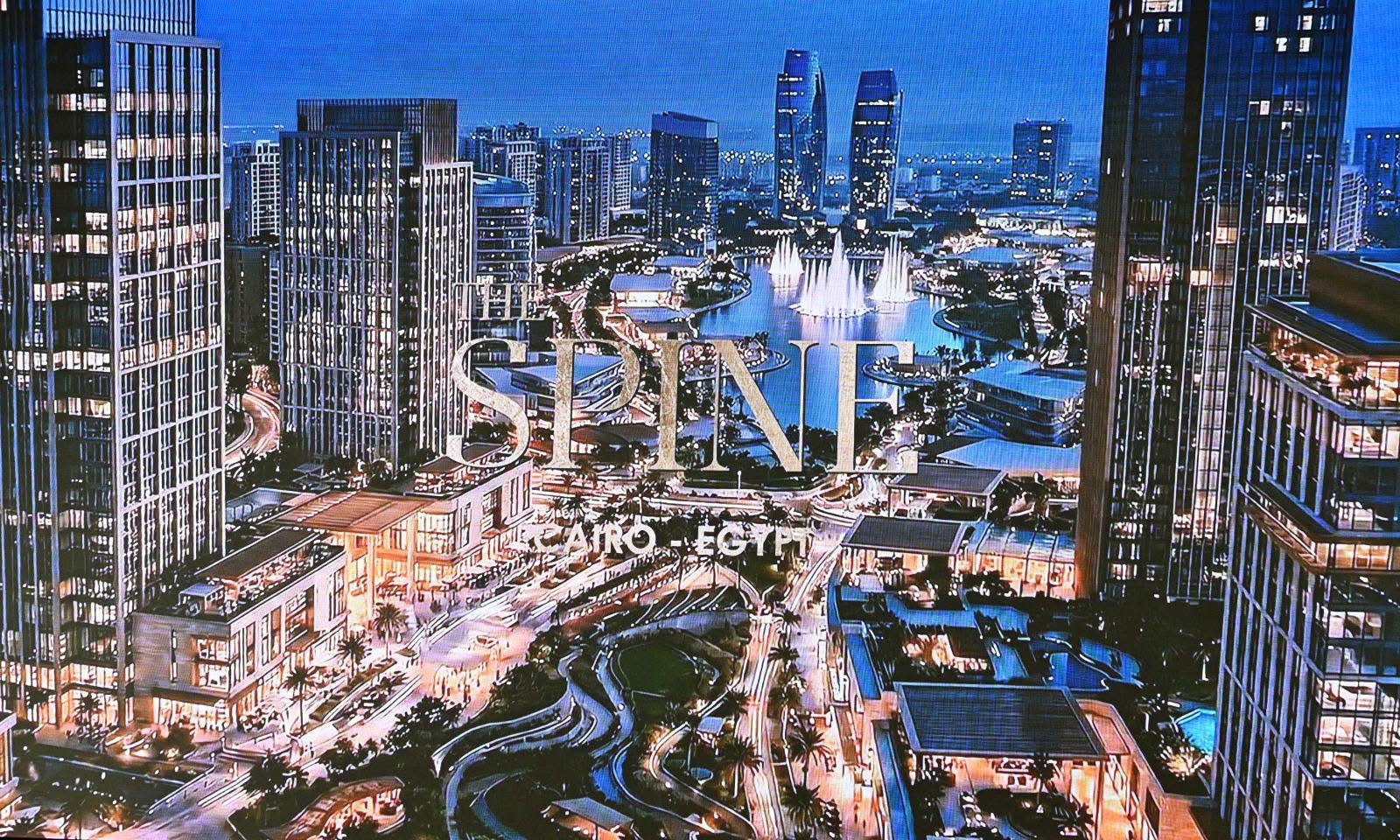
Egypt unveiled on Saturday plans for a sprawling $45 billion urban development in New Cairo dubbed “The Spine,” aimed at creating an artificial intelligence-powered business and residential hub.
Prime Minister Moustafa Madbouly attended the launch event at the government headquarters in the New Capital, where Talaat Moustafa Group Holding (TMG) presented details of the project, which will be developed in partnership with the National Bank of Egypt (NBE).
The project will require investments exceeding 1.4 trillion Egyptian pounds ($45 billion) and will be backed by paid-in capital of 69 billion pounds, a Cabinet statement said, citing the developer. It is expected to contribute around 1 per cent to Egypt’s gross domestic product.
The development is projected to generate more than 55,000 direct jobs and 100,000 indirect jobs, while attracting tens of millions of visitors annually.
“The Spine is not just a real estate project; it is an integrated economic model,” TMG CEO Hisham Talaat Moustafa said during the launch. “We are building a global business ecosystem, not merely towers.”
The project will include 165 towers across residential, administrative and hospitality segments, and is expected to generate approximately 818 billion pounds in tax revenues for the state.
Plans also feature more than 1.5 million square metres of green and open spaces, accounting for roughly 70 per cent of the total area, alongside infrastructure aimed at reducing carbon emissions and noise pollution.
Moustafa said development planning had taken more than five years with input from international consultancy firms, and was designed to position Egypt as a destination for multinational companies.
“We are living through unprecedented global change, with geopolitical shifts, a reordering of economic power and rising competition for investment and talent. Against this backdrop, Egypt is moving steadily under President Abdel Fattah al-Sisi with a clear focus on economic growth and development.” TMG CEO said.
At the core of the project is a Special Investment Zone (SIZ) model offering streamlined regulations, competitive incentives, dedicated customs frameworks, and advanced digital infrastructure to facilitate business operations and attract foreign investment.
Marketed as a “cognitive city,” the development will integrate artificial intelligence and smart management systems, and include a fully underground logistics network — a first in Egypt — aimed at improving efficiency and reducing congestion.
The project will also feature insurance coverage exceeding 30 billion pounds and healthcare services provided by US-based Houston Methodist, according to the statement.
Moustafa said the project reflects rising confidence in Egypt’s economy and private sector, describing it as “an invitation to investors to participate in building one of the region’s most important business hubs.”
Egypt has in recent years accelerated large-scale infrastructure and urban development projects as part of efforts to boost economic growth and attract foreign investment, despite global economic pressures and regional uncertainty.
Attribution: Amwal Al Ghad English