

Egypt’s Cabinet approves updated mining regulations
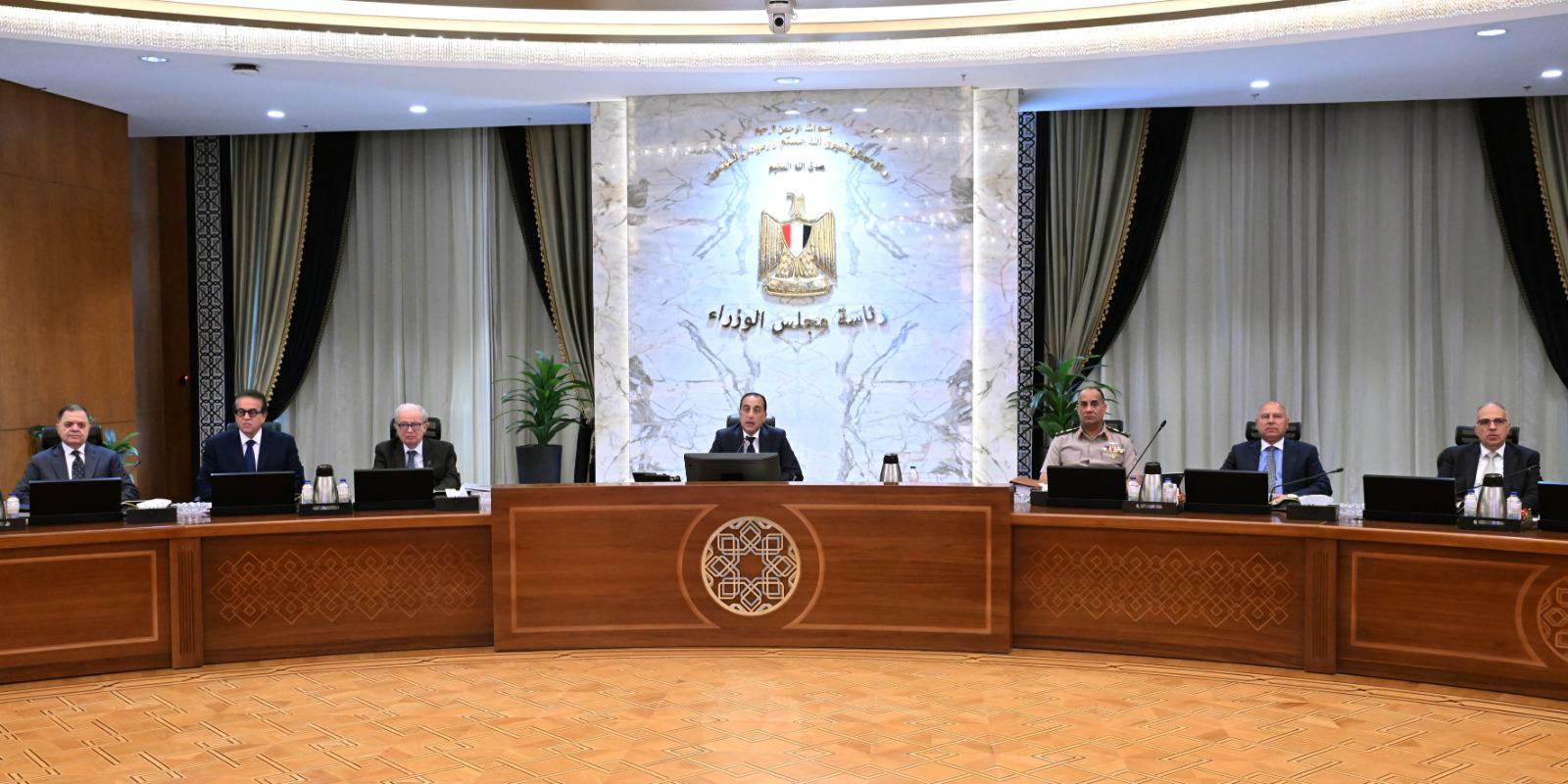
Egypt’s Cabinet approved amendments to mining regulations on Wednesday, tightening licensing rules, setting guidelines for state participation in mining companies, and introducing new oversight for geological testing laboratories.
The changes, approved during the 90th Cabinet meeting chaired by Prime Minister Moustafa Madbouly, amend the executive regulations of the Mineral Resources Law issued under Prime Ministerial Decree No. 108 of 2020.
The amendments extend the scope of the regulations to cover exploration and exploitation licences for minerals from mines, quarries, and salt pans, as well as licences for laboratories analysing rocks and mineral ores, issued by the competent authority.
They also introduce stricter rules on licensing, prohibiting permits in archaeological areas, protected zones, urban land, villages, market sites, utilities, places of worship, cemeteries, and land adjacent to airports, highways, main roads, railways, oil and gas pipelines, irrigation systems, dams, reservoirs, or land allocated to such facilities, unless approved by the relevant authorities. The authorities must respond to requests for approval or coordination within 30 days.
The new rules also introduce stricter licensing requirements. Permits are prohibited in archaeological sites, protected areas, urban land, villages, markets, utilities, places of worship, cemeteries, and land near airports, highways, main roads, railways, oil and gas pipelines, irrigation systems, dams, reservoirs, or land allocated for such facilities—unless approved by the relevant authorities. These authorities are required to respond to approval or coordination requests within 30 days.
The amendments allow registered landowners to apply directly for exploration or exploitation licences on their own land. Applications must be submitted to the Mineral Resources and Mining Industries Authority (MRMIA) or the competent body, along with the required fees and documents. Applicants must meet legal conditions and provide all necessary approvals, as well as a technical report approved by the authority or relevant body. Licences will be issued personally to the landowner, who will also be exempt from land rent.
The amendments also allow the MRMIA to establish or hold equity stakes in specialised companies engaged in exploration, exploitation, mining, and extraction of mineral resources from mines, quarries, and salt pans, both in Egypt and abroad. This must be done in accordance with applicable laws. Public sector ownership in such companies must be at least 10 percent, without prejudice to agreements issued by law. These companies will be subject to all technical and financial requirements and obligations set out in the law.
A new advisory committee will also be formed by decision of the competent minister, chaired by a representative of the Ministry of Petroleum and Mineral Resources and including representatives of relevant ministries and entities, as well as three experts. The committee will meet at least four times a year and may invite representatives of relevant authorities when needed. It will be tasked with providing opinions on mining-related issues.
Applications for exploration licences can be submitted to the MRMIA either manually or through the Egypt Mining Portal electronic platform. Applicants must specify the area in question and include the prescribed fees and required documentation.
Exploration licences for mines not exceeding one square kilometre will be issued by the MRMIA board, with a maximum of one mine per private-sector licensee. For larger projects, licences will be issued by the competent minister after approval by the authority’s board.
Licences will be valid for two years and may be renewed for two additional terms, and for a third term if justified on technical grounds accepted by the authority, provided renewal applications are submitted before expiry. Licensees will also be required to pay annual exploration fees per square kilometre.
The amendments also add a new chapter to the regulations titled “Licensing of Laboratories for Analysis of Rocks and Mineral Ores from Mines, Quarries and Salt Pans”.
The chapter sets out licensing requirements, operating rules, and inspection and oversight procedures for laboratories engaged in sample preparation and chemical, physical, mineralogical, and geological testing and analysis of rocks and mineral ores.
The government said the reforms aim to modernise Egypt’s mining sector, improve governance, and increase efficiency in resource exploitation.
Attribution: Amwal Al Ghad English