

URGENT: Egypt’s annual inflation eases to 13.4% in April; monthly prices up 1.2% – CAPMAS
Egypt’s annual urban inflation eased to 13.4 per cent in April from 13.5 per cent in March, while consumer prices rose 1.2 per cent month-on-month, data from the state statistics agency showed on Wednesday.
The monthly increase in the consumer price index, which reached 287.9 points, was driven by price rises across housing, transport, and services, despite declines in some food items.
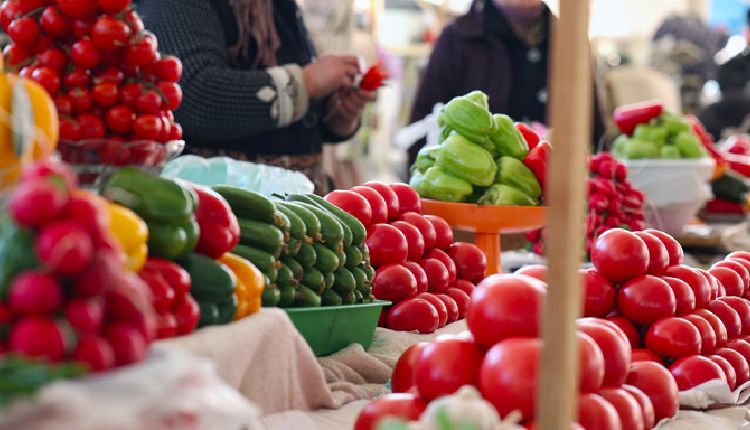
Food prices fell 0.5 per cent on a monthly basis, mainly due to a 6.4 per cent drop in meat and poultry and a 0.3 per cent decline in dairy products, though this was offset by sharp increases in vegetables (+5.1 per cent), fruits (+3.8 per cent), fish (+1.8 per cent), and oils (+1.2 per cent).
Housing-related costs rose 4.2 per cent, driven by higher actual rents (+5.4 per cent), utilities (+2.5 per cent), and maintenance expenses (+2.6 per cent). Transport services jumped 5.1 per cent, while hotel and restaurant prices increased 3.9 per cent.
Other notable monthly gains included healthcare (+1.3 per cent), clothing and footwear (+2.0 per cent), household equipment (+2.7 per cent), culture and recreation (+2.1 per cent), and communications (+0.3 per cent).
On an annual basis, inflation was largely driven by a 30 per cent surge in housing and utilities, alongside a 24.5 per cent rise in transport, 20 per cent in education, and 16.6 per cent in tobacco and alcohol.
Food and beverages rose 6.9 per cent year-on-year, led by a steep 47 per cent increase in vegetable prices, while fish, oils, and coffee also saw significant gains. Fruit prices, however, fell 7.4 per cent.
Education costs recorded the sharpest increase, with post-secondary technical education soaring 364.5 per cent, according to the data.
Attribution: Amwal Al Ghad English