

Egypt says 15 mln people now live in new cities as expansion continues
At Egypt Forum 2026, Prime Minister Madbouly says 27 of 39 planned cities have been completed or are under development as Egypt seeks to ease overcrowding and accommodate future population growth
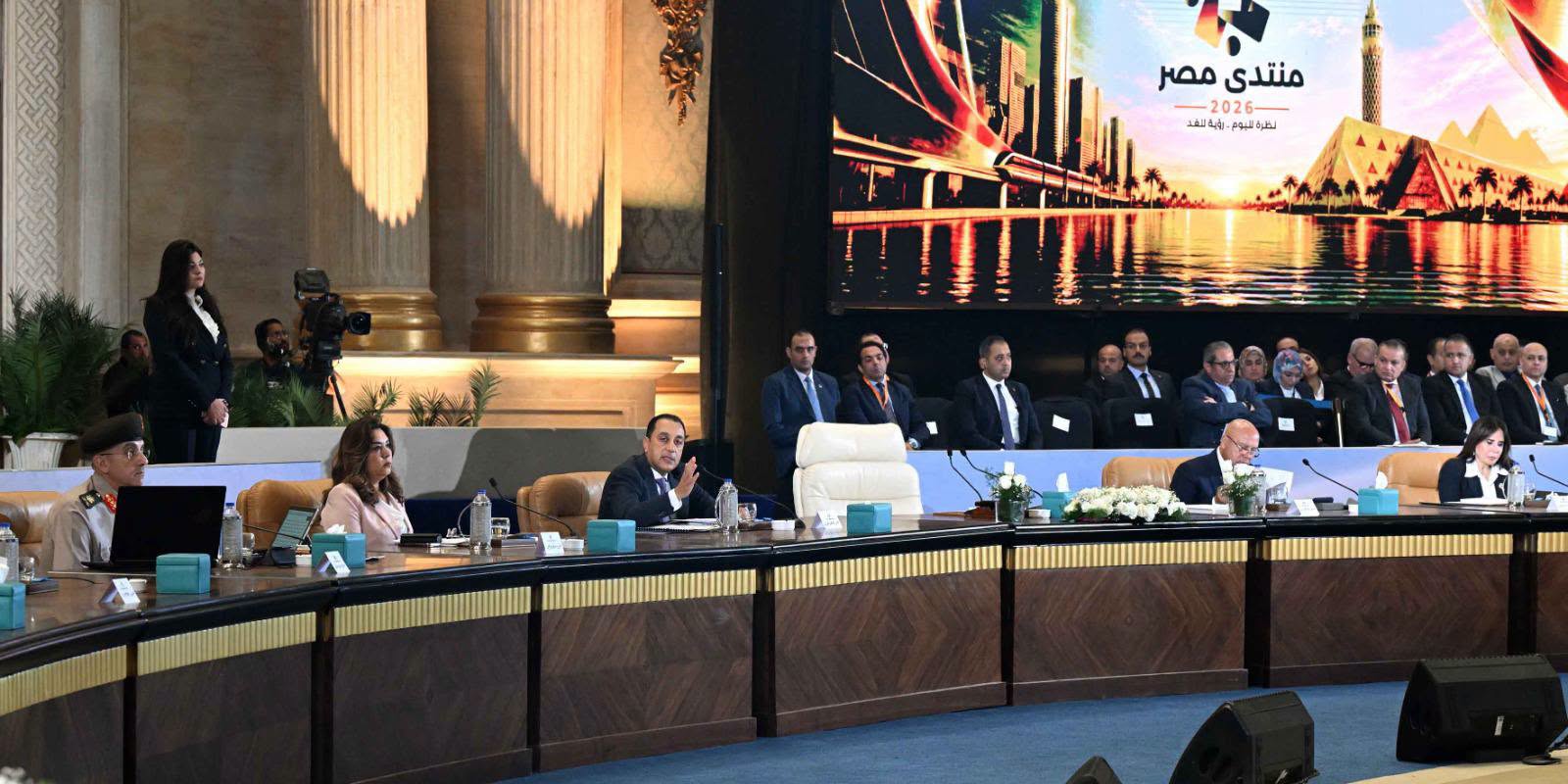
About 14 million to 15 million Egyptians live permanently in the country’s new cities, Prime Minister Moustafa Madbouly said on Tuesday, defending continued urban expansion as necessary to ease overcrowding, protect agricultural land, and accommodate future population growth.
Speaking at a session on urban development at Egypt Forum 2026, Madbouly said 27 of the 39 new cities under Egypt’s national urban development plan were completed or under development, while work on the remaining 12 was planned for the coming period.
The plan, which extends to 2052, aims to address the concentration of Egypt’s population in a limited area of the country, he said.
Egypt’s population rose from fewer than 10 million in the early 20th century to about 18 million in 1952 and approximately 110 million today, Madbouly said, asking the audience to consider the pressure that continued population growth would have placed on the country if its inhabited area had remained unchanged.
From the 1970s and 1980s through 2010 and 2011, Egypt experienced rapid growth in informal settlements, the loss of agricultural land, and deteriorating services, while its cities recorded some of the world’s highest levels of population congestion, he said.
Madbouly said the need to expand beyond the Nile Valley and Delta and develop desert areas had long been recognised. Late President Anwar Sadat began pursuing the establishment of new cities in the late 1970s, despite criticism that public resources should instead have been directed towards improving services in existing communities.
By 2014, Egypt had established 22 new cities, including 10th of Ramadan, Sadat, 6th of October, Obour, Shorouk, and New Cairo, Madbouly said.
The government’s current programme is based on the National Urban Development Plan through 2052, which was prepared over several years and completed in early 2012, he said.
The plan includes 39 new cities, including New Qena West, Nasser City West of Assiut, New Aswan, East Port Said, New Rafah, New Ismailia, and New Mansoura. The programme extends beyond the New Capital and New Alamein, Madbouly said.
Responding to criticism that the new cities remained largely empty, he said electricity-meter data indicated that about 3.3 million residential meters were in use, alongside more than 350,000 commercial, industrial, and administrative meters and meters serving other activities.
“Between 14 million and 15 million people are permanent residents of the new cities,” Madbouly said, adding that the figure excluded people who travelled to the cities daily for work.
New Cairo has a population approaching 3 million, while 6th of October has about 2 million, he said, describing them as cities with populations in the millions.
Madbouly said the government was planning further cities, including what are known as fourth-generation cities, to provide suitable places for future generations. The cities established since 2014 represented the first three generations, classified according to when they were built, he said.
The government’s urban development strategy extends beyond housing to include industrial, agricultural, tourism, and service activities. Industrial centres in cities such as 6th of October, Sadat, Borg El Arab, and Obour have become important parts of the country’s economic infrastructure, he said.
Egypt’s inhabited area has expanded to about 14 per cent of its total territory, roughly double its previous share, Madbouly said. He argued that major development projects should be assessed over a 30- to 40-year horizon, as their economic and social returns may take 15 to 20 years to materialise.
Delaying such projects could increase their costs fourfold or fivefold after 15 to 20 years, potentially making them unaffordable, he said.
Madbouly also cited the employment benefits of construction, saying unemployment stood at about 13.5 per cent when President Abdel Fattah El-Sisi took office in 2014. Construction can generate jobs quickly and supports more than 100 related industries, with employment continuing after cities and projects begin operating, he said.