

Egypt’s PM says Cairo traffic costs up to $10 bln a year
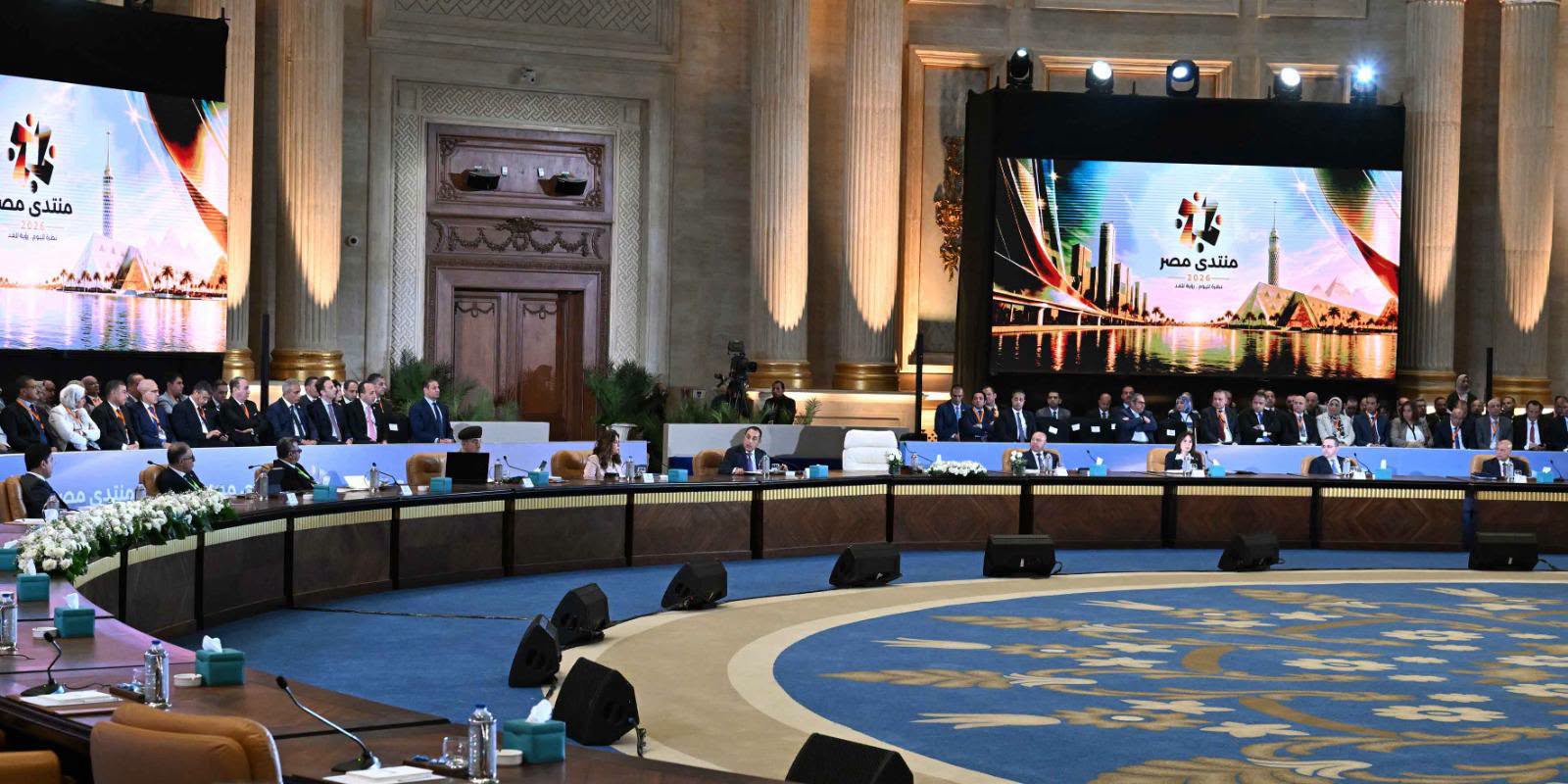
Cairo’s traffic congestion costs Egypt an estimated $8 billion to $10 billion annually, Prime Minister Moustafa Madbouly said on Tuesday, defending the New Capital project as a way to ease pressure on the capital.
“In some areas, average vehicle speeds range from 8 to 10 kilometres per hour, costing Egypt between $8 billion and $10 billion annually due to pollution and excessive electricity and petrol consumption,” Madbouly said during a session on urban development at Egypt Forum 2026.
Moving government offices out of central Cairo had been discussed for decades, he said. In 2007 and 2008, under then-Prime Minister Ahmed Nazif, the General Organisation for Physical Planning (GOPP) was instructed to study alternative sites for relocating ministries.
Experts assessed five options: the New Capital’s current site, an area around the Field Marshal Tantawi Mosque near the Ring Road, Warraq Island, an area north of the Cairo-Alexandria Desert Road, and another proposed new city.
The experts ranked the New Capital’s current site first because it offered room for future expansion, Madbouly said. Relocating ministries there would also help accelerate development east of Cairo, in line with the city’s historic eastward growth.
Although the site was considered the most suitable from a planning perspective, the project required substantial investment and could not have been launched under the financial conditions prevailing before 2011, he said.
When the project was revisited, President Abdel Fattah El-Sisi asked about the findings of the earlier studies before directing the government to proceed with the preferred location, Madbouly said.
Madbouly also defended the development of New Alamein and other North Coast cities, saying the area had historically been used mainly for summer resorts that operated for only about two months a year.
The government plans to develop a series of coastal cities combining tourism with industrial, economic, and service activities, allowing them to operate for longer periods and eventually year-round, he said.
Before its development, the Alamein area contained extensive minefields and remained underused, with landmines causing accidents and deaths among residents of Matrouh Governorate, he said.
New Alamein had attracted one million tourists so far this year, he said, arguing that its development had brought investment and economic activity to the area. The government aims to extend the North Coast’s season to four, five, or six months before making it a year-round destination, while upgrading older coastal areas and introducing new activities.
Madbouly said the wider urban development programme covered more than housing, including agriculture, sanitation, ports, industrial projects, and tourism. He argued that major projects should be judged over 30 to 40 years, since full returns can take 15 to 20 years to emerge.