

Egypt monitoring regional tensions after oil price rebound – PM
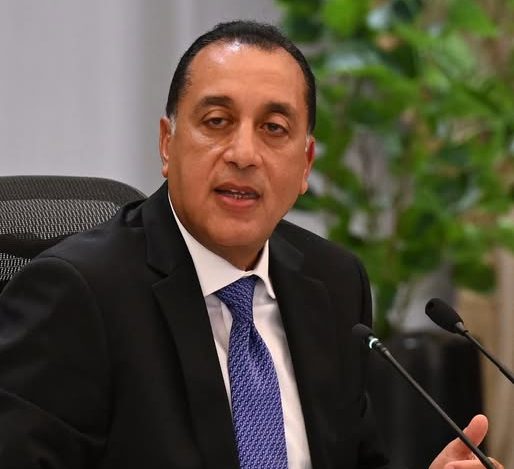
Egypt is closely monitoring regional tensions and their impact on global energy markets after oil prices rebounded sharply, Prime Minister Moustafa Madbouly said on Tuesday, adding that the government was working to secure energy supplies and limit the impact on the economy.
Speaking at a press conference after a tour of development projects, Madbouly said the recent rise in oil prices highlighted the government’s decision not to make immediate adjustments to domestic fuel prices when international crude prices briefly declined.
“Two weeks ago, there were calls to reduce local fuel prices after international oil prices fell immediately,” Madbouly said. “At the time, we stressed the need to avoid frequent policy changes without careful assessment.”
He said Brent crude had since climbed to about $85 a barrel after falling to around $72, underscoring continued volatility in global energy markets.
“The government is making every effort to deal with these developments,” he said.
Madbouly reaffirmed Egypt’s support for regional and international efforts to restore stability, saying President Abdel Fattah El-Sisi and the Foreign Ministry were maintaining intensive diplomatic contacts to help de-escalate tensions.
“The ongoing war has produced no winners. Everyone is paying the price, and the global economy is bearing the cost of these conflicts,” he said.
The prime minister said the government had stepped up coordination among key economic ministries to safeguard energy supplies, noting that meetings involving the governor of the Central Bank of Egypt (CBE), the finance minister, and the petroleum minister were focused on securing the country’s fuel needs during the summer.
“We are now in the middle of the summer season, and despite all the volatility, the situation remains stable,” he said.
Madbouly added that he held weekly meetings with the electricity minister to accelerate renewable energy projects, saying expanding clean energy generation would help reduce Egypt’s reliance on imported conventional fuels and lower its energy import bill over time.
He also highlighted progress at Egypt’s El Dabaa nuclear power plant, where installation of the pressure vessel for the second reactor has been completed. The first reactor is expected to begin generating electricity by the end of 2028, with the remaining units to be completed in subsequent phases.
“These major national projects are essential to reducing Egypt’s fuel import bill, which remains a significant burden amid the current geopolitical volatility,” Madbouly said.
Egypt has stepped up efforts to diversify its energy mix by expanding renewable energy capacity and advancing the El Dabaa nuclear power project as it seeks to strengthen energy security and reduce dependence on imported fuels.
Attribution: Amwal Al Ghad English